
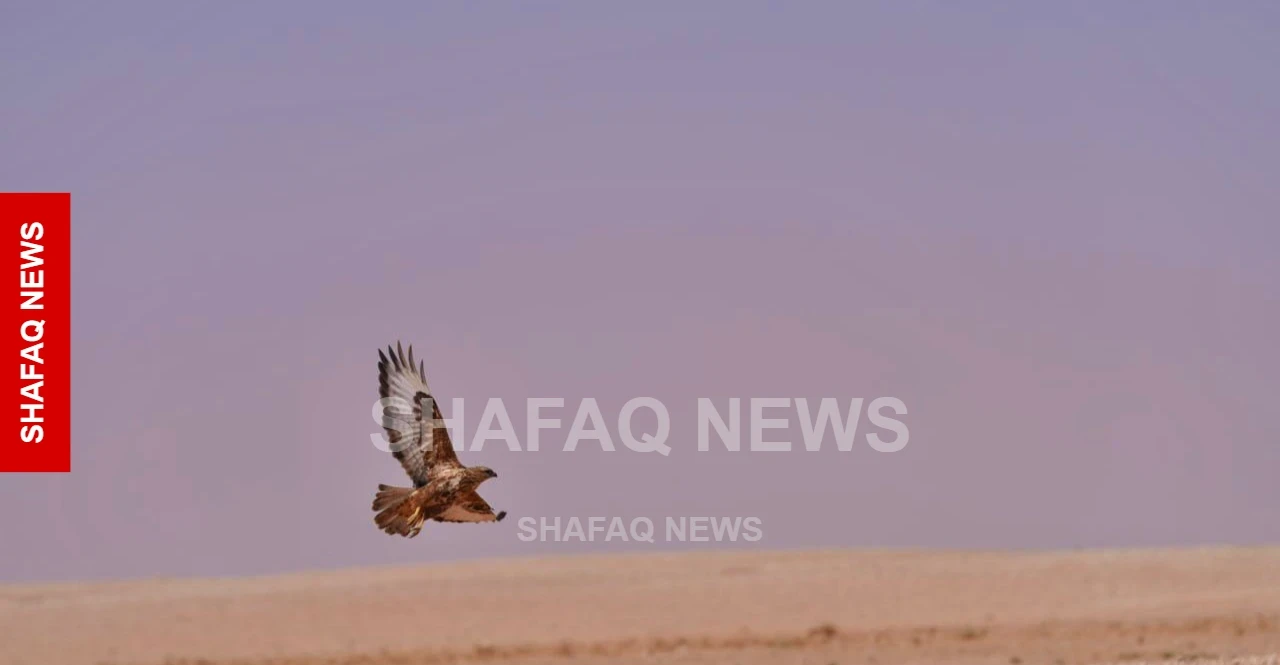
The arid landscape between Iraq’s Najaf and Al-Muthanna provinces holds significant ecological value, serving as a critical habitat for numerous wild animal and bird species. As a vital stopover for migratory birds, this area faces escalating threats that put its biodiversity at risk. From water scarcity and drought to unregulated hunting and human encroachment, recent developments have raised alarm among local environmental officials.
Pressures on Biodiversity
Local leaders have expressed concerns regarding the increasing vulnerability of wildlife in this region. Jamal Abed Zaid Shalaka, the director of Najaf’s environment department, explained that the area is under tremendous stress due to deteriorating water sources and habitat degradation. His team is conducting ongoing surveys to monitor various wildlife species, including mammals like wild hares and red foxes, as well as numerous reptiles and amphibians. The survival of these animals is closely linked to their natural habitats, which are increasingly fragmented and under severe threat from environmental changes.
Conservation Efforts
In light of these pressing challenges, the Najaf environment department is actively enforcing the Convention on International Trade in Endangered Species (CITES). This global treaty aims to curb illegal wildlife trade, protecting endangered species from trafficking and overexploitation. The department monitors local markets and collaborates with other authorities to ensure adherence to regulations regarding the possession and transport of protected animals. Thankfully, no confirmed incidents of international trafficking in CITES-listed species have occurred in Najaf, although vigilance remains crucial.
Similarly, in Al-Muthanna province, measures are underway to combat unregulated hunting, particularly affecting various migratory and resident bird species. Director Amir Kadhim al-Aridhi has noted that cooperation between the environment department and local police aims to protect wildlife in the Al-Samawa desert. Regular patrols are conducted during migration seasons, but alarming trends like drought and dwindling water sources have dramatically impacted the number of migratory birds arriving in the area, leading to concerns about long-term ecological stability.
Endangered Species and Hunting Regulations
Focusing on conservation measures, al-Aridhi pointed out that certain species, such as the peregrine falcon and specific lizards, are protected from hunting. The Iraqi Ministry of Environment maintains a comprehensive list of these protected species under CITES. Hunting requires an official permit, with strict regulations in place to control various aspects, including the types of weapons and vehicles used. Permitted species typically include more common game like quail, with a regulated hunting season from December through February.
Despite these measures, the effects of unregulated hunting and environmental degradation are evident. Ahmed Hamdan Jaber from the Environmental Protection and Biodiversity Group reported that many wild animals and birds have gone extinct or become endangered due to these pressures. Notably, the great bustard and Arabian gazelle are examples of species that have disappeared from Iraq’s landscape, highlighting the urgent need for more robust conservation efforts.
Challenges Ahead
One of the main challenges facing conservation in Al-Muthanna is the lack of current data on wildlife populations. The environmental director acknowledged that budget constraints and insufficient vehicles hinder survey efforts necessary for assessing wildlife status. Without accurate assessments, it becomes increasingly difficult to formulate effective conservation strategies, leaving many species at risk as climate shifts and habitat loss continue to unfold.
In conclusion, the rich natural habitats between Najaf and Al-Muthanna are critical for Iraq’s biodiversity but are under threat from human activity and environmental factors. Continued efforts in conservation, law enforcement, and habitat preservation are essential for safeguarding this fragile ecosystem against further degradation. The future of Iraq’s wildlife hinges on collective action, informed decision-making, and unwavering commitment to preservation.