
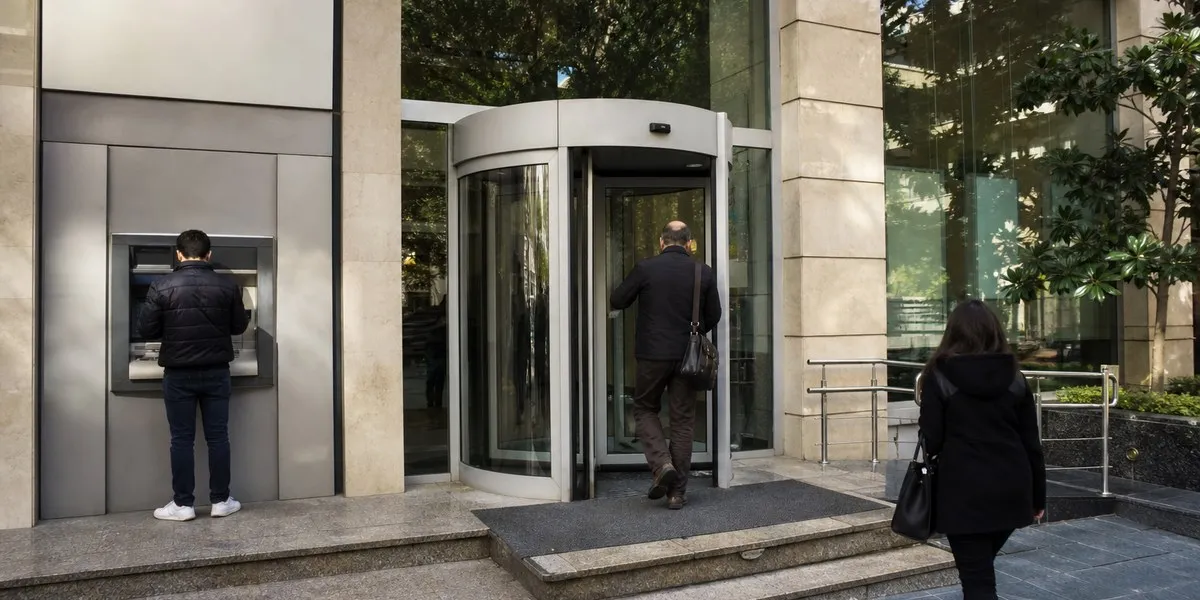
Turkey’s Banking Regulation and Supervision Agency (BDDK) has officially withdrawn the operating license of Bank Mellat’s Istanbul branch, which is based in Iran. This announcement was detailed in the Official Gazette of Turkey, according to reports from various news outlets, including the Jerusalem Post.
Reason Behind the License Revocation
The BDDK’s decision was enacted under a provision of Turkey’s banking laws that allows for the cancellation of a bank’s license if its operations pose a risk to depositors or threaten the stability of the financial system. However, the regulator did not specifically attribute its action to U.S. sanctions or declare any operational difficulties at Bank Mellat. This indicates that while the decision aligns with regulatory provisions, the motivations behind it remain somewhat ambiguous.
The precise implications of this revocation for Bank Mellat and its customers in Turkey are still unfolding. Although no operational issues were reported, concerns around financial security and compliance with international regulations might have influenced this regulatory action. As the landscape of global finance changes, banks operating in sensitive environments must navigate increasingly complex regulatory frameworks, which may lead to such decisions.
U.S. Sanctions and Their Broader Impact
The context surrounding U.S. sanctions against Iranian entities adds another layer of complexity to this situation. Earlier this month, the U.S. Treasury Department imposed sanctions on a Turkish investment bank and its subsidiaries, citing concerns over compliance related to Iran. Furthermore, Turkey and Oman took steps to suspend operations of Mahan Air, an Iranian airline, in line with U.S. directives. These actions suggest a tightening of financial ties between Turkey and Iran amidst heightened scrutiny from the United States.
The implications of this regulatory action could be significant for other banks and financial institutions operating in Turkey, especially those with connections to Iran. As global financial policies evolve, regulatory authorities within Turkey may feel pressured to ensure compliance with international norms and standards. This might result in a more rigorous review process for banks with links to nations under scrutiny.
In summary, while the BDDK has stated that the license revocation was a precautionary measure, its timing and context cannot be ignored. The intertwining of U.S. sanctions with domestic regulatory actions indicates that the banking landscape in Turkey is likely to experience further changes as authorities seek to balance local economic interests with international compliance requirements.
As these restrictions continue to unfold, stakeholders in Turkey’s banking sector will need to remain vigilant and adjust their strategies to navigate the complex financial landscape effectively.