
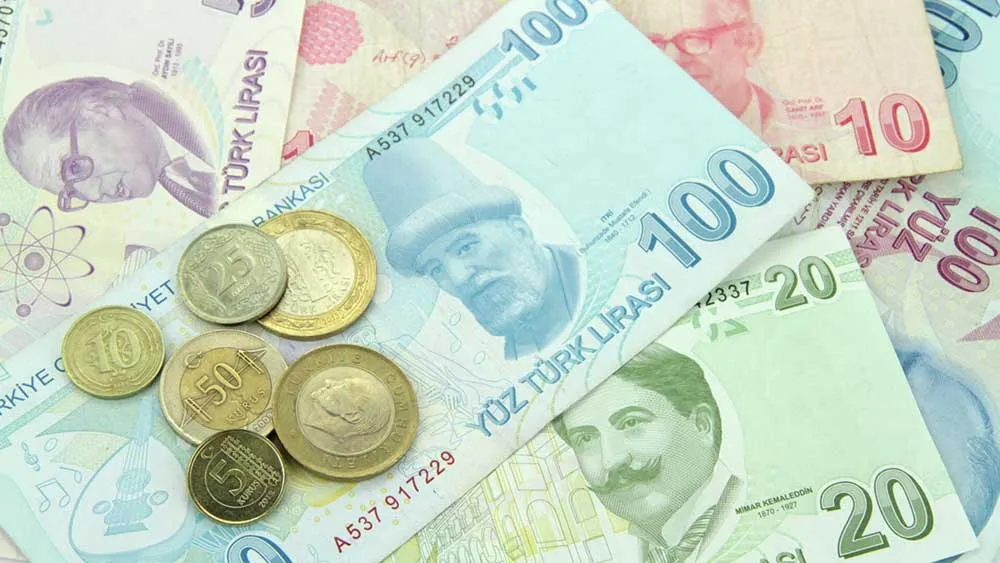
Following a significant drop in value on September 18, the Turkish lira has plummeted to a record low against the US dollar. This economic downturn has resulted in a crisis within Turkey’s investment landscape, culminating in defaults from the country’s largest money market fund.
The Crisis in Turkey’s Investment Industry
A severe situation is currently unfolding in Turkey’s collective investment sector. The Capital Markets Board (SPK) has enacted an emergency measure to forcibly dissolve 131 investment funds that failed to meet their repayment obligations to shareholders. This default has adversely impacted over 353,000 retail investors, whose collective investments exceed $18.3 billion. Many of these funds were traditionally viewed as safe havens for conservative investors, amplifying the shock surrounding these unprecedented defaults.
Investors in these funds typically expected security and stability; in fact, the average contribution was around $53,000. Instead of providing the anticipated returns, these investments have led to losses across the board, shaking the confidence of numerous individuals who thought they were safeguarding their assets. Such developments raise critical questions about the robustness of the regulatory framework governing investment in Turkey.
Turkish Lira’s Declining Value
The Turkish lira has recently experienced a significant depreciation, falling below the value of the Ukrainian hryvnia for the first time in 20 years. This devaluation reflects broader economic challenges in Turkey, contributing to inflation and affecting both retail and institutional investors. In light of such economic distress, the situation requires careful scrutiny from market analysts and policymakers alike.
Experts often cite inflation as a contributing factor to currency instability. The Turkish government faces the dilemma of addressing rising prices while attempting to stabilize the lira. As such, all eyes are on Şimşek, Turkey’s financial minister, who has publicly characterized the anticipated inflation target for 2027 as realistic. His assessment may either instill hope among investors or evoke skepticism depending on the government’s ability to navigate the challenging economic landscape.
Impact on Retail Investors
The fallout from these financial defaults has left many retail investors in a vulnerable position. With over 353,000 retail investors directly affected, the economic ramifications are felt nationwide. The substantial loss of confidence in previously regarded “risk-free” investments demonstrates a significant shift in the market’s reliability and the public’s perception of financial security in Turkey.
As investors grapple with the consequences of their choices, the liquidity crisis presents further complications. The frozen assets within these investment funds exacerbate an already precarious situation for many, making it increasingly difficult for investors to regain access to their funds. In a time when financial stability is critical, these events have shaken the foundations of Turkey’s investment community and raised alarms about possible long-term repercussions.
Turkey’s investment landscape is at a crossroads, with crucial decisions lying ahead for policymakers and stakeholders. Prompt and effective action will be necessary to restore confidence, stabilize the lira, and address the far-reaching implications of this crisis on retail investors. The resilience of Turkey’s economy will be tested as it navigates these turbulent waters.