
Recent reports suggest that Saudi Aramco has issued notifications to at least two European refining clients indicating they will not receive crude oil shipments next month. This decision comes in the wake of an attack on a vital Saudi pipeline that connects to the Red Sea, raising concerns about the stability of oil supplies.
Impact of the Pipeline Attack
The recent attack on the key pipeline has significant ramifications for global oil markets. Saudi Aramco, a cornerstone of the world’s oil industry, plays a crucial role in maintaining oil supply stability. When a disturbance occurs in their operations, it sends ripples throughout the global economy. Suppliers and refiners who depend on Saudi crude are now faced with uncertainty, potentially leading to price spikes and disruptions in their own operations.
The incident not only affects the immediate supply chain but also raises questions about future security measures and geopolitical stability in the region. Refiners are likely to explore alternative sources or adjust their operations to mitigate the impact of the missing Saudi crude. This shift could alter global oil dynamics, especially for countries reliant on Middle Eastern oil.
Shifting Market Dynamics
As demand for oil continues to fluctuate, the loss of Saudi supply could compel European refiners to seek alternatives from other regions. This transition might involve increased imports from other oil-producing countries, potentially transforming trade relationships and pricing structures. Suppliers from places like West Africa or the Americas may find themselves at an advantage during this period of instability, which could shift the traditional reliance on Saudi oil.
Industry analysts are keenly observing how this situation unfolds, as it could set off a chain reaction in pricing and availability. If other oil-producing nations cannot fill the gap left by Saudi Aramco, global oil prices may skyrocket, leading to increased costs for consumers and industries alike.
Discussion with Experts
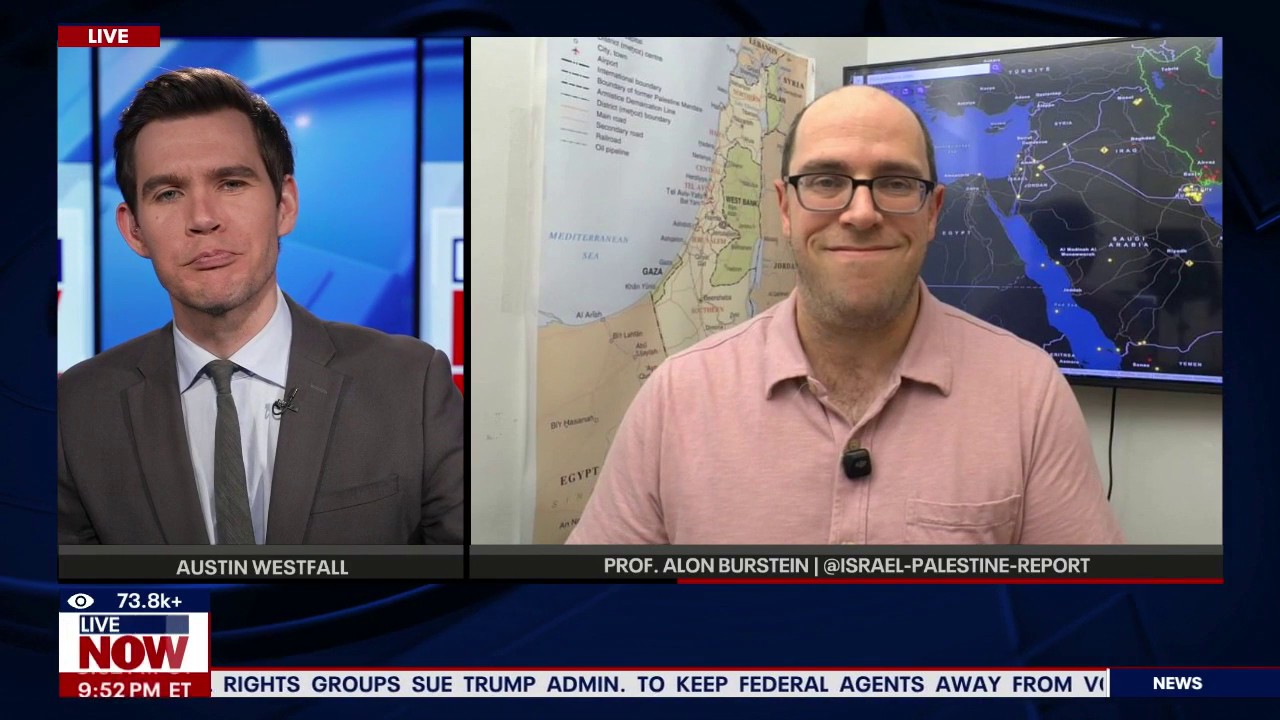
In light of these developments, experts are weighing in on the potential outcomes. Austin Westfall of LiveNOW has engaged Professor Alon Burstein of the Israel-Palestine Report for a deeper dive into the implications of this pipeline attack. Their discussion highlights the geopolitical landscape’s fragility and the relevance of Middle Eastern oil supply in the larger context of global energy needs.
As tensions continue to mount in the region, it is vital for consumers and businesses to stay informed about potential disruptions. Preparation is key, as the energy sector navigates this evolving crisis.
In conclusion, the decision by Saudi Aramco to halt oil shipments to European refiners illustrates the precarious balance of global oil supply, influenced by geopolitical tensions. The long-term repercussions of this incident will likely be felt across markets and nations, prompting a reassessment of resource dependencies and energy security strategies worldwide.