
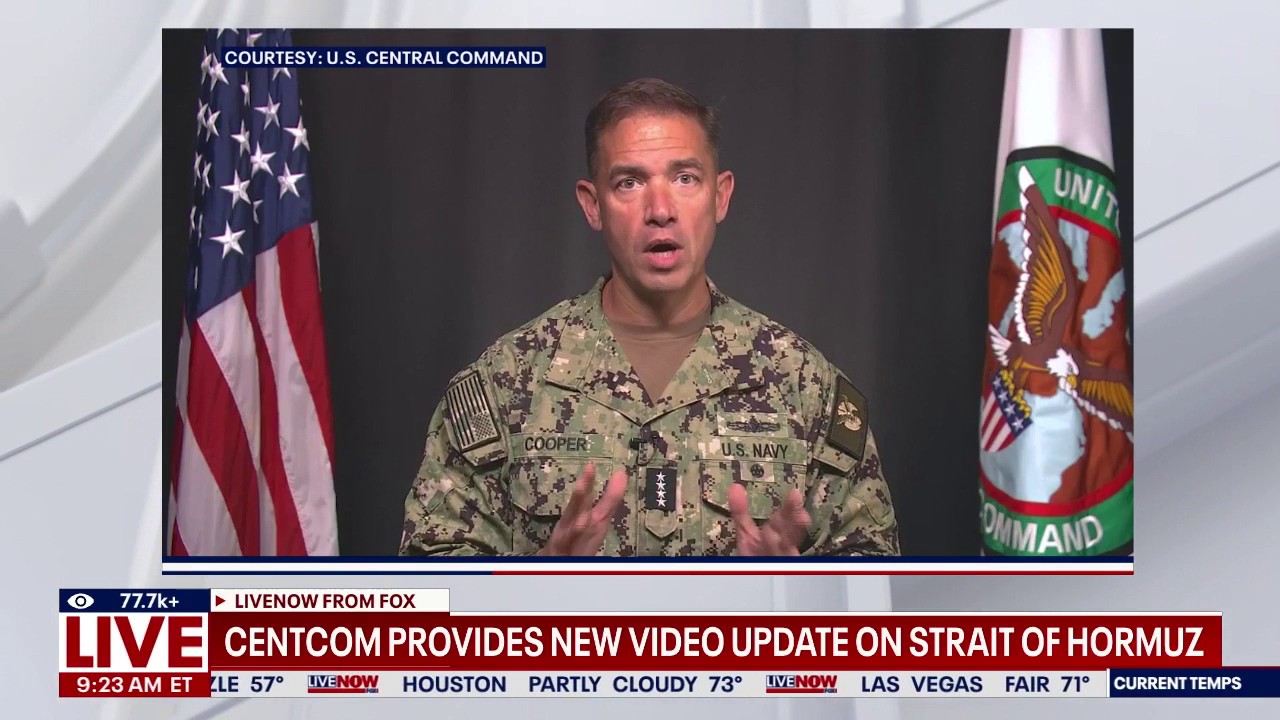
The ongoing situation between the United States and Iran remains dynamic, and new developments are continuously emerging. Recently, US Central Command provided an update regarding military operations in the Strait of Hormuz. As tensions escalate and the world watches closely, Admiral Brad Cooper addressed key issues surrounding the conflict. President Trump’s administration is actively reconsidering its strategies regarding Iran, especially with the upcoming UN General Assembly meeting on the horizon.
Update on Operations in the Strait of Hormuz
Admiral Brad Cooper’s comments shed light on the current military activities happening in a region critical for international oil transportation. The Strait of Hormuz is a vital artery through which a significant percentage of the world’s oil supply flows. The recent update reflects the United States’ commitment to ensuring safe navigation and stability in these waters, a crucial responsibility amid rising geopolitical tensions. Given the importance of this area, the military’s actions are designed to deter threats and protect maritime routes.
Implications of President Trump’s Strategy
As the Trump administration reviews its approach to Iran, the implications could be far-reaching. The United States has a vested interest in maintaining security in the Persian Gulf, particularly as it relates to oil supplies and regional stability. The ongoing discussions in higher political circles indicate a calculated effort to balance diplomatic relations with the need for military readiness. With the UN General Assembly set to convene next week, international dialogues may shape future actions in the ongoing conflict.
International Considerations Ahead of the UN General Assembly
The upcoming UN General Assembly represents an opportunity for world leaders to address pressing global issues, including the situation with Iran. Countries are likely to deliberate on strategies concerning regional security and the necessity of cooperative measures. The discussions may have a significant influence on international perceptions and actions toward Iran, thereby affecting the overall landscape of diplomacy and military engagement in the region.
The tension in the Strait of Hormuz adds another layer of complexity, as nations assess their own interests and alliances amid this evolving scenario. Each country involved faces tough choices that will resonate beyond their borders. Moreover, how the US responds will undoubtedly shape the overall narrative at the UN, potentially impacting future resolutions and collaborative efforts among member states.
As developments continue to unfold, it remains essential for observers to monitor the situation closely. The situation is not just a regional concern; it has implications for global security and economic stability. With significant negotiations and discussions on the horizon, the decisions made during this critical period will have ramifications that extend far beyond immediate military operations. The international community must remain vigilant as the US influences the path forward while navigating the complex landscape of diplomacy and defense.