
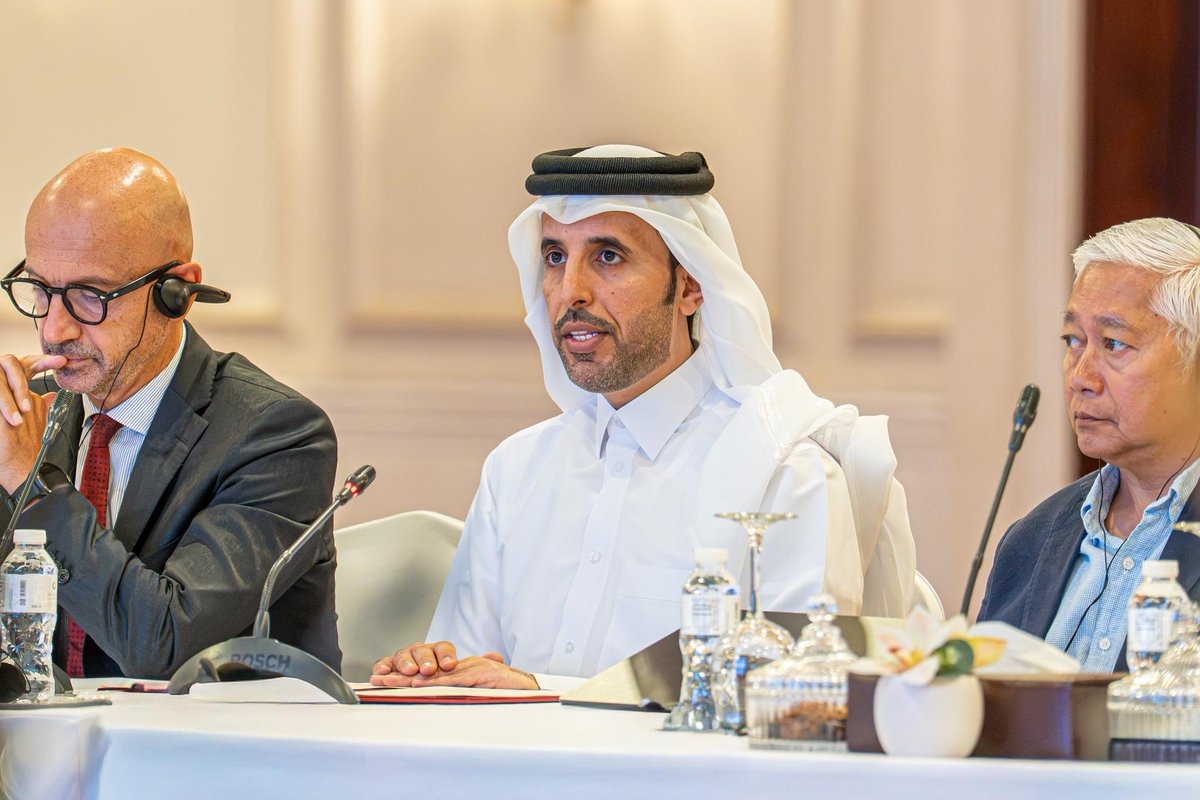
Doha, Qatar, recently hosted the second roundtable discussion focused on the construction, building materials, and wood sectors. This event was organized by the Ministry of Labour in partnership with Building and Wood Workers’ International (BWI). Building on the initial roundtable held in December 2025, this meeting aimed to enhance Qatar’s labour relations framework and foster constructive dialogue among vital economic sectors.
Strengthening Labour Relations Framework
The roundtable brought together a diverse group of stakeholders, including government officials, employers, and workers. These representatives engaged in discussions about the various challenges faced within the sectors, shared expertise, and explored practical strategies to improve labour relations. A primary focus was on implementing a new framework for joint committees. Participants discussed how to strengthen worker participation and improve communication channels between employees and employers.
Key topics covered at the event included wage protection, occupational safety and health, and various measures to enhance cooperation at the sector level. This meeting not only served to identify current issues but also allowed participants to assess progress since the inaugural roundtable in December 2025. Through collaboration, the group aimed to build on previously identified recommendations and priorities.
Commitment to Social Dialogue
During the discussions, Assistant Under Secretary for Migrant Labour Affairs, Hamed Faraj Dalmouk, reaffirmed the Ministry of Labour’s commitment to fostering social dialogue. He noted that continuous engagement between employers and workers creates a foundational platform for effectively addressing challenges, sharing expertise, and devising practical solutions. Dalmouk elaborated on the significance of joint worker committees, highlighting their role as structured forums for raising concerns and tackling workplace challenges.
Wage protection was highlighted as a critical element of Qatar’s efforts to safeguard workers’ rights. Dalmouk described the Wage Protection System as essential for ensuring timely payments and promoting transparency in employment relationships. He emphasized that enhancing working conditions requires a holistic strategy that goes beyond regulatory frameworks, stressing the necessity of creating safe and healthy work environments.
International Collaboration and Best Practices
Dalmouk also underscored the importance of leveraging international expertise and best practices to develop effective policies. He advocated for a tailored approach that aligns with national legislation and meets international standards. This approach not only aims to improve working conditions but also enhances stakeholder engagement, ultimately contributing to a more robust labour system.
The discussions also addressed essential issues relevant to the construction sector, including employment, recruitment, and the overall importance of social dialogue. Participants agreed that sustained communication and coordination among employers and workers are vital for developing effective labour relations.
As the roundtable concluded, there was a clear consensus on the need for ongoing dialogue and knowledge sharing among stakeholders. The event served as a valuable platform for reinforcing Qatar’s commitment to enhancing its labour framework, ensuring that it meets the needs of a diverse workforce and supports the nation’s broader economic goals.
In summary, the roundtable successfully highlighted the significance of constructive dialogue in advancing labour relations and facilitating meaningful cooperation in Qatar’s construction and related sectors.