
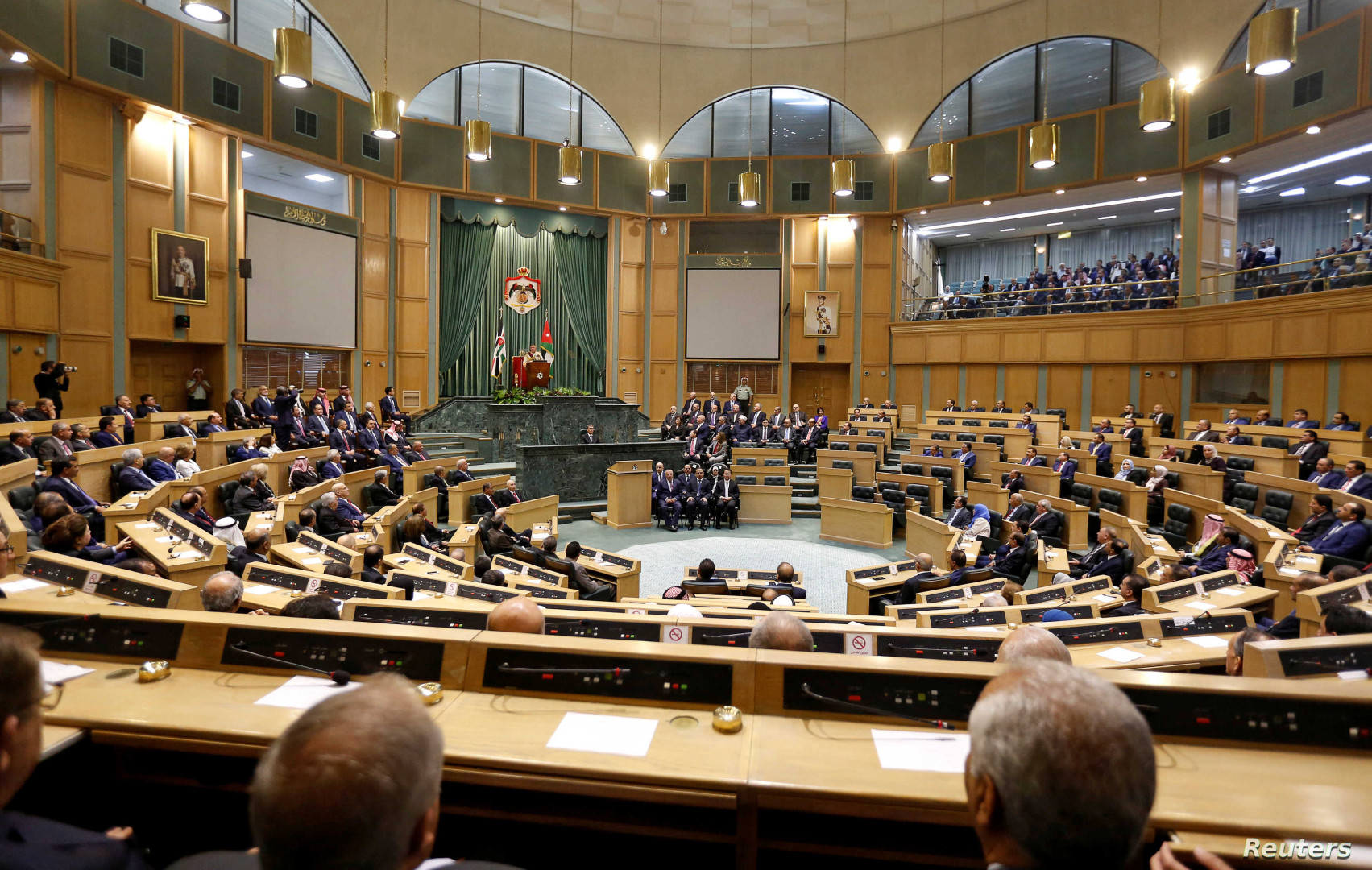
The political landscape in Iraq continues to evolve, characterized by ongoing challenges in governance and representation. Recently, the Reconstruction and Development parliamentary bloc, led by former Prime Minister Mohammed Shia Al-Sudani, expressed concerns over the new cabinet’s formation. They allege that the allocation of ministerial roles was executed in an unjust manner, despite their coalition securing the most seats in the November 2025 elections.
Claims of Unfair Representation
The Reconstruction and Development bloc has raised serious issues regarding the distribution of ministerial positions. They argue that although they gained 46 seats in the recent elections, the positions allocated to other political factions exceed what their parliamentary and political influence warrants. This disparity, they claim, fails to reflect their electoral strength, which leads to broader concerns about governance and accountability in the new Iraqi cabinet. Despite voicing their objections, the coalition chose not to obstruct the government’s formation, citing a sense of “national responsibility” and the need for stability.
Push for Competence Over Quotas
During coalition negotiations, the Reconstruction and Development bloc advocated for appointing “qualified and independent” professionals to lead ministries. They emphasized that this approach is crucial for breaking away from the quota-sharing method that has historically weakened the government and state institutions. The emphasis on competence over political alliances indicates a desire for stronger governance, particularly in an environment where public trust is essential for progress.
Recent Political Divisions
Tensions have surfaced within the political framework as some factions pulled away from the coalition, leading to a fractious atmosphere. The National Contract bloc, led by the Popular Mobilization Forces’ Faleh Al-Fayyadh, and the Sumariyoun Movement have both announced their withdrawal, claiming marginalization. Interestingly, while they faced this exclusion, they were still offered representation in certain ministries, demonstrating the complexities of Iraqi politics where alliances can shift rapidly.
Cabinet Approval and Future Challenges
In a recent parliamentary vote, 14 ministers were approved in Ali Al-Zaidi’s cabinet. However, discussions surrounding nine key ministries were deferred until after the Islamic holiday, Eid Al-Adha, due to political disagreements. The delay highlights existing tensions and the challenges the new government faces moving forward. Concerns were also raised about including armed factions in the cabinet, reflecting the cautious approach needed to maintain stability in a region sensitive to military influences.
In conclusion, the journey ahead for Iraq’s government will require careful navigation of political interests and the quest for effective governance. As the newly formed cabinet settles in, the emphasis remains on uniting various factions and ensuring that the nation’s development challenges are addressed. The ongoing dialogue among political blocs is crucial for fostering a more inclusive decision-making process that truly reflects the electorate’s will.