
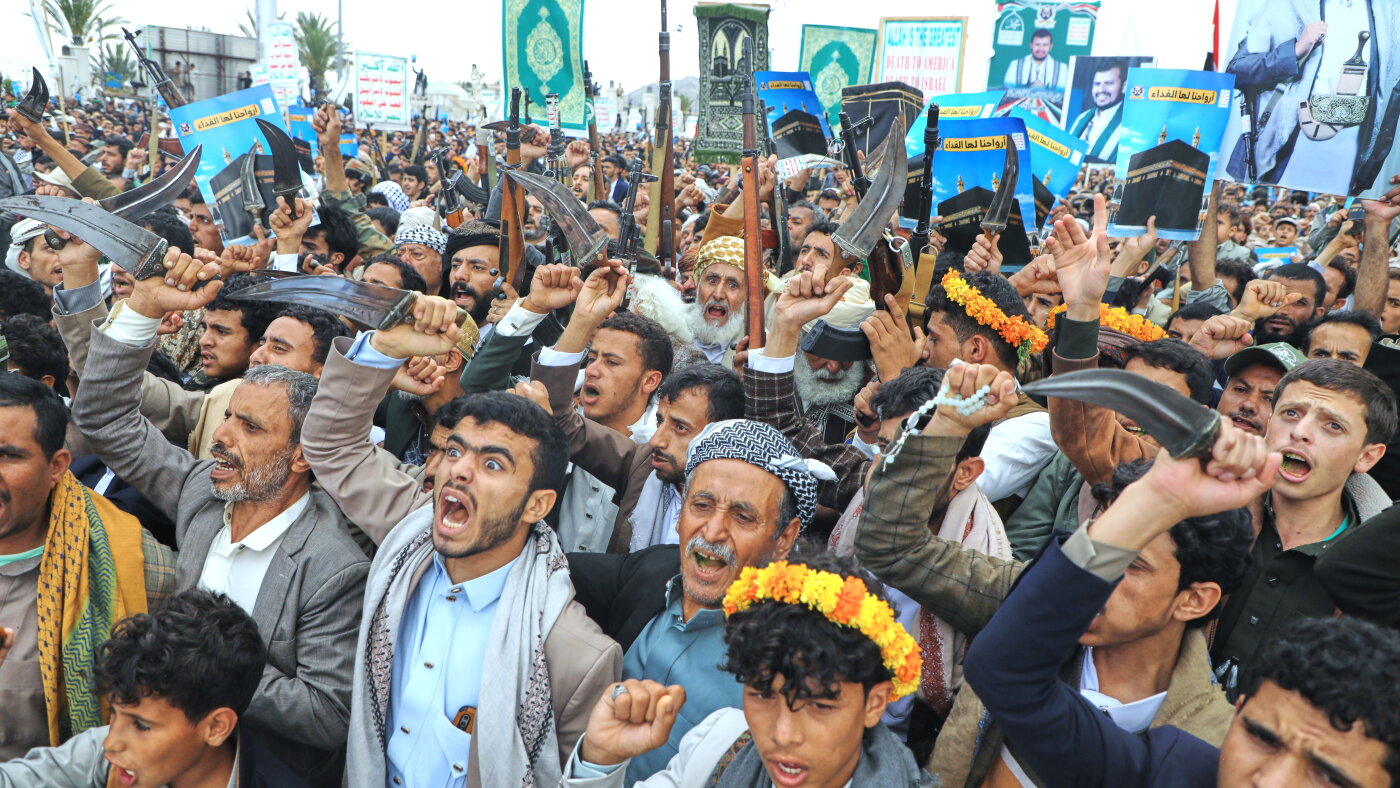
Saudi Arabia confirmed on Saturday that Yemen’s Houthi rebels launched an attempt to strike Riyadh with a ballistic missile. This incident marks the first attack on the Saudi capital since hostilities escalated with the Iran-aligned rebels, opening a new chapter in the ongoing regional conflict.
Missile Attack Thwarted
Reports from authorities indicate that the missile was intercepted successfully. Residents in Riyadh reported hearing an explosion, followed by sightings of smoke near the airport. Thankfully, there were no reports of injuries or damage linked to this attack. In addition, the Houthis attempted to target civilian infrastructure in the Red Sea port city of Yanbu, which houses a crucial Saudi pipeline, as well as in nearby Taif, Baysh, and Farasan. However, these attempts were thwarted, although specific details were not disclosed.
Claims of Destruction by Houthis
Prior to the setback, the Houthis had claimed, without providing evidence, that they aimed for “sensitive sites” within Riyadh and facilities owned by Saudi oil giant Aramco in Yanbu, supposedly resulting in “massive fires.” However, Aramco, the largest oil company globally, did not respond to inquiries concerning these statements.
Iran’s Stance on the Conflict
In a related development, Mohsen Rezaei, head of Iran’s Supreme National Security Council, revealed in an interview with Al Jazeera that Iran has communicated its conditions for ending the war to the U.S. through Qatar, awaiting a response from President Donald Trump. Though the timing of these conditions was not specified, Rezaei emphasized the need for cessation of hostilities on all fronts, the release of assets seized from Iran, and an end to the U.S. naval blockade. He also expressed that Iran desires to see fighting involving Yemen and Saudi Arabia come to an end.
Oil Flow and Maritime Security
In terms of oil security, U.S. Central Command asserted that military support has facilitated the transit of one billion barrels of oil through the strategically critical Strait of Hormuz over the past two months. Admiral Brad Cooper stated that the primary shipping lanes through the strait have been cleared of mines, with the volume of oil, natural gas, and cargo surpassing levels seen six months prior to recent conflicts. Despite this, shipping traffic remains lower than pre-war rates, emphasizing ongoing concerns regarding safety and control of the region by Iranian forces.
Pakistan and Iran Discuss Maritime Safety
In another development, Pakistan’s Foreign Minister Ishaq Dar discussed energy supply security and the safe passage of commercial vessels during a phone call with Iranian counterpart Abbas Araghchi. Dar highlighted the implications of disruptions on developing countries and global supply chains amid rising energy prices affecting Pakistan’s government, facing pressure from political factions demanding lower fuel costs.
This complex geopolitical situation continues to evolve, revealing not only the immediate threats posed by missile attacks but also the broader implications for regional stability and energy security. As different nations attempt to navigate these challenges, the focus remains on finding effective solutions for peace in the region.