
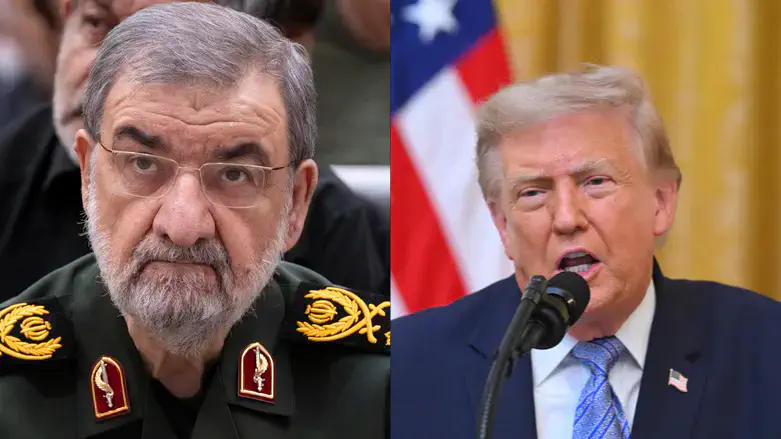
Iran has outlined seven conditions for the United States to consider in order to resume negotiations, according to Mohsen Rezaei, the Secretary of the Supreme National Security Council. This announcement comes amid ongoing considerations by US President Donald Trump regarding potential military action against Iran. Rezaei emphasized on social media that for the US to alleviate its current challenges, it must acknowledge Iran’s rights and adhere to specific conditions.
Details of Iran’s Conditions
In a recent interview with Al Jazeera, Rezaei revealed three significant demands from Tehran: an immediate cessation of warfare, the release of Iranian funds that have been frozen abroad, and the lifting of the US naval blockade. He noted that these conditions had been communicated to Washington through Qatar and indicated that Iran is currently awaiting a response from Trump.
Despite months of tensions and the failure of the Islamabad memorandum—a ceasefire agreement from talks held in Pakistan—the two countries have maintained indirect diplomatic channels. This memorandum was intended to halt hostilities and create a framework for a broader peaceful resolution, but allegations of violations from both sides led to its expiration in August without achieving any long-term agreement.
Iran’s Military Posture and Nuclear Policy
Rezaei has also adopted a more assertive tone regarding Iran’s military stance, claiming that Tehran has adjusted its approach following the US withdrawal from the memorandum. He mentioned successful missile tests in proximity to US naval forces, suggesting heightened readiness among Iranian forces in anticipation of military strikes. Additionally, he announced that Iranian military capabilities have improved after analyzing US weaknesses.
Regarding the country’s nuclear strategy, Rezaei reaffirmed that Iran remains committed to the late Supreme Leader Ali Khamenei’s stance against nuclear weapons. While Iran has not modified its nuclear doctrine, he suggested that future decisions could be influenced by US actions. He raised the possibility that the aggressive policies from Israel and the US could provide justification for Iran to withdraw from the Nuclear Non-Proliferation Treaty, though no decision has been made yet.
Trump’s Potential Military Strategies
President Trump has indicated that a crucial decision lies ahead regarding whether to undertake large-scale military operations against Iran. During discussions, he voiced that the choice to take decisive action could lead to significant repercussions. He expressed uncertainty about the timing and nature of any potential agreements with Iran, emphasizing that Tehran is not yet fully prepared to negotiate.
Trump asserted that while Iran is eager to form a deal, it is currently not in a position to finalize an agreement. He believes that Iran is still seeking a favorable contract that could satisfy its conditions, or they might choose not to sign anything at all. Moreover, Trump highlighted that recent military operations have effectively curtailed Iran’s progress towards nuclear weapons, suggesting that without these actions, Iran would potentially possess nuclear capabilities.
As tensions persist, the President is scheduled to meet with leaders from Gulf Cooperation Council countries at the UN General Assembly, focusing on the implications of the ongoing conflict with Iran. Issues surrounding Iran’s military actions, as well as the US’s future strategies, are anticipated to be critical topics in these discussions.