
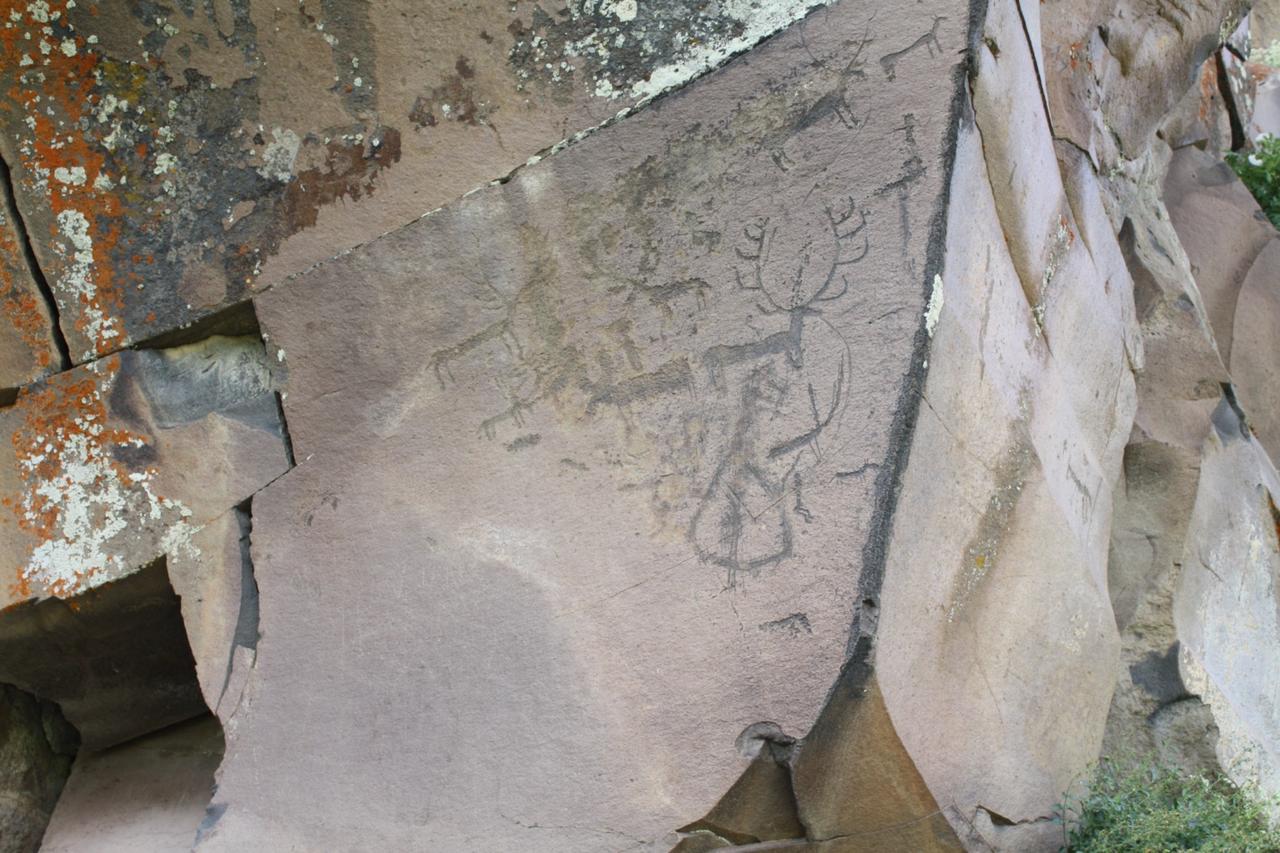
Ancient rock carvings in Kars, Türkiye, offer an intriguing glimpse into the lives of early communities. Dating back thousands of years, these petroglyphs unveil the rich history of the region, serving as a critical junction between the Caucasus and Anatolia. This area has been pivotal for various cultures and still attracts scholars and tourists alike due to its historical significance.
Rich Cultural Insights from Petroglyphs
Over 100 rock carvings depicting animals such as mountain goats and deer have been discovered in the vicinity of Camuslu village, situated in the Kagizman district of Kars. These petroglyphs are not merely artistic expressions; they are vital artifacts that shed light on how ancient communities coexisted with their environment. The figures carved into the rocks represent the nuanced relationship these early inhabitants had with nature, showcasing their beliefs, fears, and deep connections to the surrounding wildlife.
Mustafa Karageci, an associate professor of ancient history at Kafkas University, emphasizes the significance of these findings. He states that the carvings serve as a silent testament of existence, conveying messages from thousands of years ago: “We were here and we lived here.” This statement hints at the profound need for early humans to document their presence, especially during times when written language did not exist.
Discovery and Research Efforts
The archaeological exploration of Kars has been ongoing for several decades, highlighting the area’s enhanced historical importance. Field surveys led by experts such as Professor Alpaslan Ceylan from 1999 to 2012, followed by Professor Akin Bingol until 2022, have been instrumental in identifying these rock-art sites. Their collective efforts have helped unearth a wealth of cultural heritage that is vital for understanding the complexities of early human life in this geographical corridor.
The findings coincide with significant periods of migration and movement among various tribes and communities, which likely utilized this transit route. The petroglyphs not only document individual animal representations but also act as narrative tools that reflect the lifestyle and societal structures of past civilizations.
Artistry and Techniques in Rock Carving
The artistry involved in creating these petroglyphs is fascinating, with many dating back to the Paleolithic era, though some additions were made in later periods. Karageci notes that the techniques employed reveal much about the skill level and tools available to these early artists. Flint tools were primarily used to inscribe and engrave figures into smooth rock surfaces, showcasing both meticulous craftsmanship and the innovative spirit of these ancient people.
These surviving images contribute to the archaeological legacy of a region that has served as a significant gateway between cultures, making them valuable not only for researchers but also for anyone interested in the tapestry of human history. The Kars petroglyphs are more than mere decorations; they encapsulate the essence of a time long past, providing a direct link to the thoughts and experiences of those who once inhabited this area.
In summary, the ancient petroglyphs of Kars are invaluable cultural icons that reveal the interconnectedness of early communities and their environmental surroundings. As research continues, there is great potential for these discoveries to reshape our understanding of ancient human society and its evolution over thousands of years.