
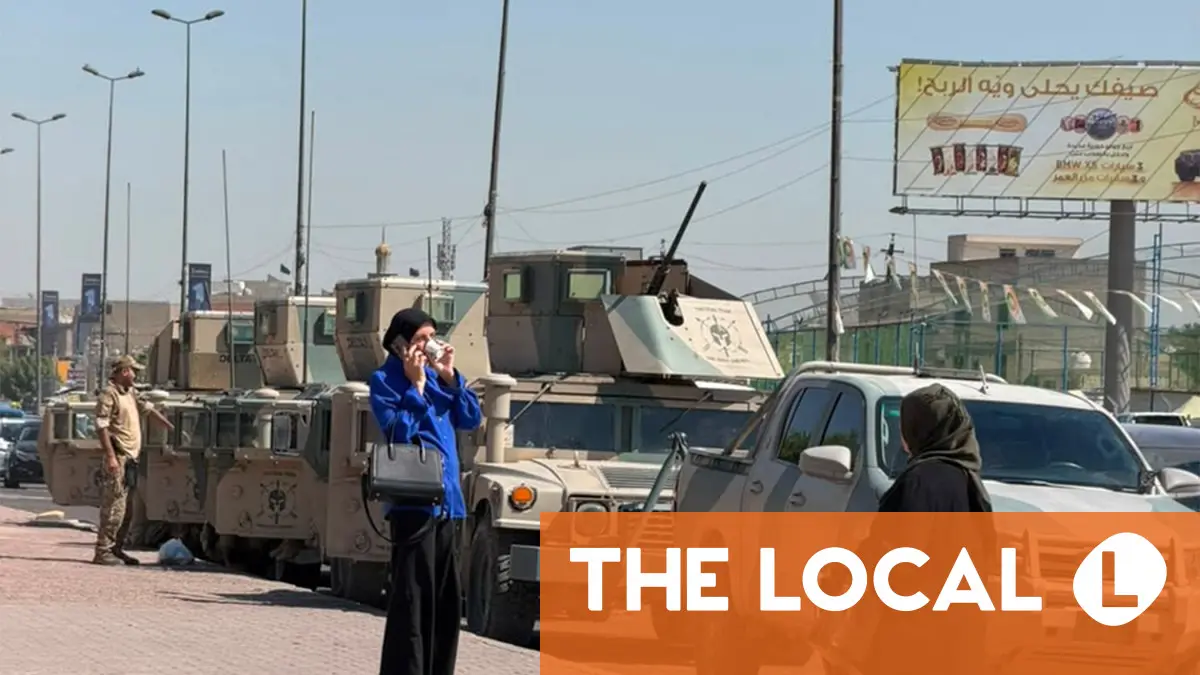
Six French nationals began their trial in Iraq this past Sunday as the country intensifies its efforts to prosecute individuals linked to the Islamic State (IS) group. The situation reflects Iraq’s ongoing struggle to manage the large influx of suspected extremists and the complex international response to this pressing issue.
Increased Detainees in Iraqi Prisons
Iraq’s facilities are already overwhelmed with IS suspects, as thousands more were transferred from Syria last year amidst ongoing security concerns. The trial for the six French defendants commenced in the morning, and reports indicate that the next session is scheduled for October 5. During a nearly three-hour court meeting, the presiding judge reviewed the findings from the investigation, which included evidence and testimonies displayed on a projection screen. The court established that the defendants traveled through Turkey before joining IS in Syria.
The individuals currently on trial include several notable cases, such as Charlie Sun, Kamel Ben Mbarak, Najib Megherbi, and Mehdi Ismael. A fifth suspect, Ibrahim Azahaf, reportedly arrived in Syria as a minor at the age of 14. Also among the group is Noureddine El Mansouri, who had his French citizenship revoked in 2026, although that ruling is under appeal. These suspects are part of a wider group of 47 French nationals transferred from Syria, raising questions about their legal representation and future in the hearings ahead.
Iraq’s Ongoing Efforts Against IS
The trial highlights the long-term ramifications of the IS conflict, which peaked with the group’s rapid territorial expansion across both Syria and Iraq in 2014. Their reign was marked by horrific violence, including mass killings and the systematic oppression of women and girls. While Iraq declared victory over IS in 2017 with support from U.S.-led anti-terrorism efforts, the repercussions continue to linger. Investigations into the mass graves and atrocities committed during IS’s rule are far from complete.
Despite the progress made, Iraq’s judicial system has consistently dealt with the legacy of IS, issuing numerous execution orders and life sentences for terrorism-related convictions, including cases involving foreign combatants. Notably, in 2019, 11 French defendants were initially sentenced to death, a ruling that was later modified to life imprisonment. This context has drawn criticism from human rights advocates, who argue that many terrorism trials in Iraq lack proper due process and are hurried.
The Controversy of Repatriation
The issue of repatriating IS suspects has become a contentious topic in France, particularly following several high-profile jihadist attacks within the country. French lawyers have recently petitioned for the repatriation of those detained in Iraq, expressing concerns that their clients could face severe penalties, including the possibility of the death penalty. Earlier this year, the United States transferred over 5,700 detainees from more than 60 nationalities—some of whom were minors when their parents joined IS—back to Iraq, leading to increased scrutiny on how these cases will be managed moving forward.
As Iraqi authorities wrap up the initial interrogations of French nationals and announce the advancement to trial, there is a growing discourse around human rights and justice. This includes the anticipated release of over 450 Syrian detainees after reviews revealed insufficient evidence against them. In a broader international context, the handling of foreign detainees and the decisions made regarding their future will continue to be closely watched by human rights organizations and governments worldwide.