
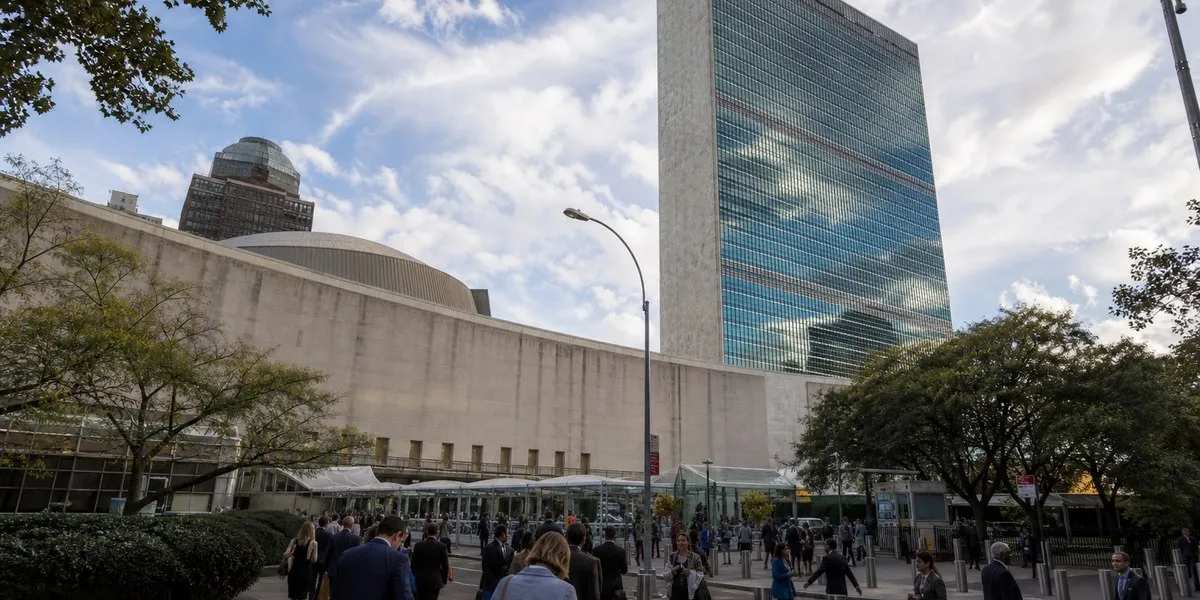
This week in New York, President Donald Trump is slated to engage in discussions with representatives from the Gulf Cooperation Council (GCC) countries, Iraq, Jordan, and potentially Egypt during the United Nations General Assembly’s high-level meetings. A central focus of these discussions will be Iran, particularly its expanding influence and relations within the region, along with its ongoing conflict with the United States.
Reassessing Iran and Regional Stability
Anwar Gargash, the diplomatic advisor to the UAE’s president, has emphasized the necessity for a new strategy in addressing relations with Iran. He argues that any future discussions regarding regional stability should extend beyond just the U.S.-Iran dialogue to include direct conversations between Iran and various Arab nations. This shift could lead to more comprehensive approaches toward fostering a stable and secure Middle East.
U.S. Ambassador to the United Nations, Mike Waltz, has raised alarms over Iran’s military support for its proxies, particularly the Houthis in Yemen. He highlighted that Iran is increasingly equipping these groups with advanced technology, including drones and cruise missiles, raising concerns about regional security and escalation of tensions in ongoing conflicts.
The Situation in Yemen and Iraq
The issue surrounding the Houthi rebels is expected to be a prominent topic during the meetings, especially given the recent surge in attacks within Yemen and against neighboring Saudi Arabia. According to various sources from Tehran and other regional capitals, Iran has played a significant role in orchestrating these assaults, using the Yemeni conflict as a strategic pressure point in its confrontation with the U.S.
In Iraq, discussions will likely revolve around the planned withdrawal of the international coalition forces, which has been combating the Islamic State group. This withdrawal is anticipated to take place on September 30, raising urgent questions about the stability of the Iraqi government and the necessity for disarming Iranian-affiliated militias that continue to pose a threat to national security.
As these critical talks unfold, they will precede the UN General Assembly’s general debate, where Brazilian President Luiz Inácio Lula da Silva is expected to deliver the first address. The outcome of these discussions could significantly impact future U.S. and Arab relations with Iran, as well as shape the geopolitical landscape of the Middle East.