
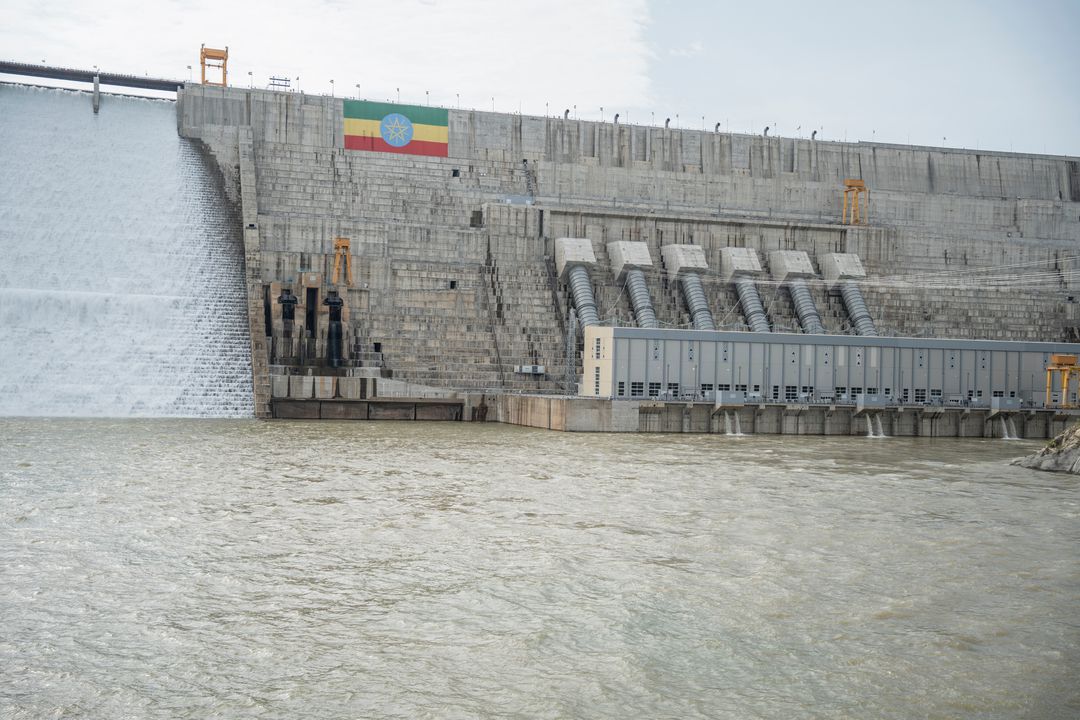
Egypt has labeled the Grand Ethiopian Renaissance Dam (GERD) as “illegitimate,” asserting its right to take necessary measures to protect its water security. This declaration was made by Hani Sewilam, Egypt’s Minister of Irrigation and Water Resources, during a media briefing in Cairo organized by the State Information Service.
Concerns Over Historical Water Rights
Minister Sewilam stressed that the completion of the dam’s construction does not equate to Egypt accepting its status or giving up its long-established rights regarding the Nile. He pointed out that the 2015 Declaration of Principles—an agreement signed by Egypt, Ethiopia, and Sudan—was established to ensure cooperation on the dam’s filling, operation, and data sharing. According to Sewilam, the agreement does not give Ethiopia the authority to take unilateral actions concerning the dam, and any continued filling and operation without a binding agreement could be viewed as a violation.
The Illegitimacy of the Dam
Sewilam firmly stated that the GERD remains illegitimate in Egypt’s eyes. “The dam is illegitimate and will stay that way,” he remarked. He emphasized that Egypt has the right to undertake appropriate actions to alleviate any harm caused by the dam’s operations. The Minister expressed disappointment over Ethiopia’s lack of response to multiple opportunities for dialogue and negotiation aimed at reaching mutual understanding. He accused Ethiopia of violating the commitments outlined in the Declaration of Principles, which has further complicated the relationship between the three nations involved.
Potential for Future Conflicts
The ongoing tensions surrounding the GERD have raised concerns about water security in Egypt and could lead to heightened conflicts in the region. Egypt relies heavily on the Nile for its freshwater supply, and any disruption in flow could have devastating implications for its agriculture and population. The situation remains delicate, with Egypt adamant about defending its historical rights while Ethiopia continues to assert its development goals.
As both nations navigate this complex issue, the balance between cooperation and conflict remains precarious. Egypt’s commitment to safeguarding its water security could lead to a more aggressive stance should Ethiopia continue its unilateral actions regarding the dam. The need for a binding agreement that respects the rights and needs of all parties involved is crucial for the long-term stability of the Nile Basin.
In light of these developments, the international community is closely monitoring the situation, aiming to mediate and facilitate dialogue among the nations before it escalates into a larger crisis. The future of the Nile hinges on cooperation, mutual respect, and adherence to international agreements aimed at fostering regional stability.