
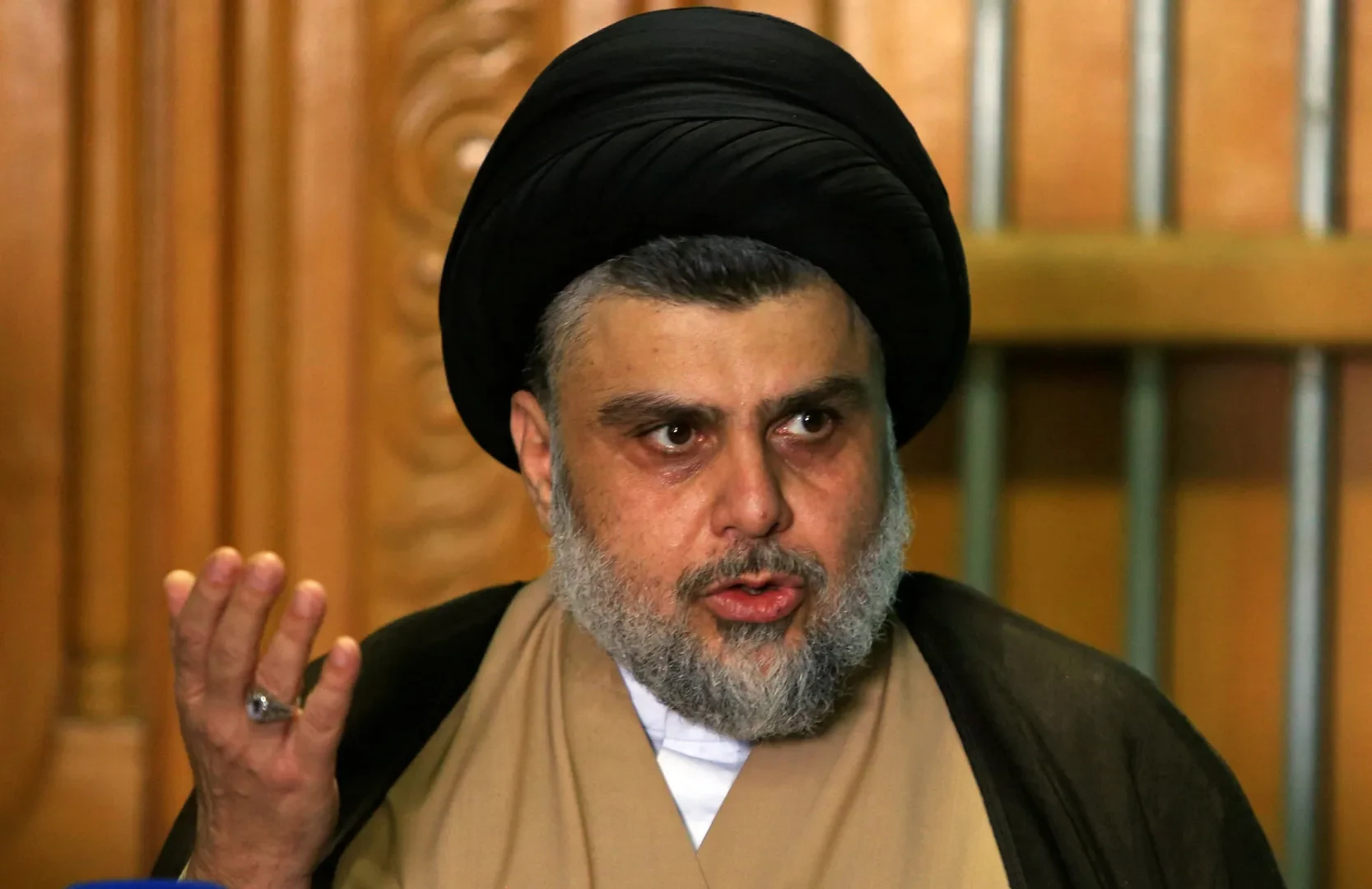
Muqtada al-Sadr, the leader of the Patriotic Shiite Movement (PSM), has recently reiterated his demands for the withdrawal of U.S. and Global Coalition troops from Iraq by the deadline of September 30. He highlighted the critical nature of this date, warning against any foreign interference in Iraq’s internal affairs once the forces leave.
Call for Sovereignty and Independence
In his statement, al-Sadr emphasized the importance of maintaining Iraq’s sovereignty and independence, expressing hope that the departure of foreign troops would not be followed by external interventions that could compromise the nation’s dignity and governance. He appealed to Iraqi politicians to resist the urge to rely on U.S. intervention in the future, insisting that Iraq possesses the capability to safeguard itself through its own security apparatus, namely the border guards and air force that operate under the federal government’s authority.
Al-Sadr remarked that the withdrawal could be a turning point for Iraq, signaling the end of corruption, injustice, and foreign dominance. He asserted that this transition would allow the nation to focus on rebuilding and strengthening its security forces, ultimately promoting peace and stability. His vision encompasses a restored sense of national pride alongside enhanced governmental authority, particularly in matters of defense.
Continued Presence of U.S. Forces
Despite al-Sadr’s strong stance, Bahaa al-Araji, the head of the Reconstruction and Development parliamentary bloc, has indicated that U.S. military personnel will continue to remain in Iraq even after the Coalition’s operational mandate concludes. This contingent is expected to focus on safeguarding the U.S. embassy, diplomatic missions, and American interests in the region. Al-Araji emphasized the distinction between this protective presence and the combat functions of Coalition forces, suggesting a redefined role for U.S. troops moving forward.
This scenario poses a complex challenge for Iraq, as the country seeks to navigate its relationship with foreign powers while solidifying its national identity. As al-Sadr champions a future free from corruption and external influence, the internal political landscape continues to grapple with implications stemming from foreign military presence.
Prospects for Iraq’s Future
As Iraq stands at this critical juncture, al-Sadr has proclaimed that the withdrawal date represents not just a military transition but a chance for the nation to flourish. He envisions a time where the nation can build a robust infrastructure and a just society, free from historical issues that have plagued it for decades. This outlook hinges on reestablishing trust in the armed forces and the government, empowering them to lead the nation into a new era of prosperity.
In conclusion, the upcoming U.S. withdrawal from Iraq by the September 30 deadline entails significant implications for the country’s political and social landscape. While leaders like Muqtada al-Sadr advocate for sovereignty and self-reliance, the continued U.S. military presence remains a contentious issue. It will be essential for Iraq to focus on unity and strength in the wake of foreign influence, fostering a future marked by independence and growth.