
Iraq’s Federal Supreme Court has delayed a decision on two significant lawsuits regarding the legitimacy of the Kurdistan Region of Iraq’s parliament and government until October 26. These cases have arisen amid ongoing political tensions, focusing on the dissolution of the regional parliament and the limitations placed on governmental authority.
Lawsuits Regarding Kurdish Legitimacy
Initiated by former member of the Kurdistan Parliament, Ali Hama Salih, the lawsuits challenge the ongoing operations of the parliament, claiming it lacks constitutional legitimacy after failing to fulfill its legislative duties since its last session in January 2025. The second lawsuit seeks to define the regional government’s status strictly as a caretaker administration, thereby restricting it from making critical strategic decisions, signing long-term agreements, or undertaking legal responsibilities.
In October 2024, elections in the Kurdistan Region resulted in the Kurdistan Democratic Party (KDP), led by Masoud Barzani, securing 39 of the 100 parliamentary seats. Following closely, the Patriotic Union of Kurdistan (PUK), helmed by Bafel Talabani, captured 23 seats, while the New Generation movement garnered 15. However, despite this electoral outcome, the new parliament has convened just once and has yet to establish a permanent speaker or initiate the formulation of a new regional government.
Urgent Call to Reactivate Parliament
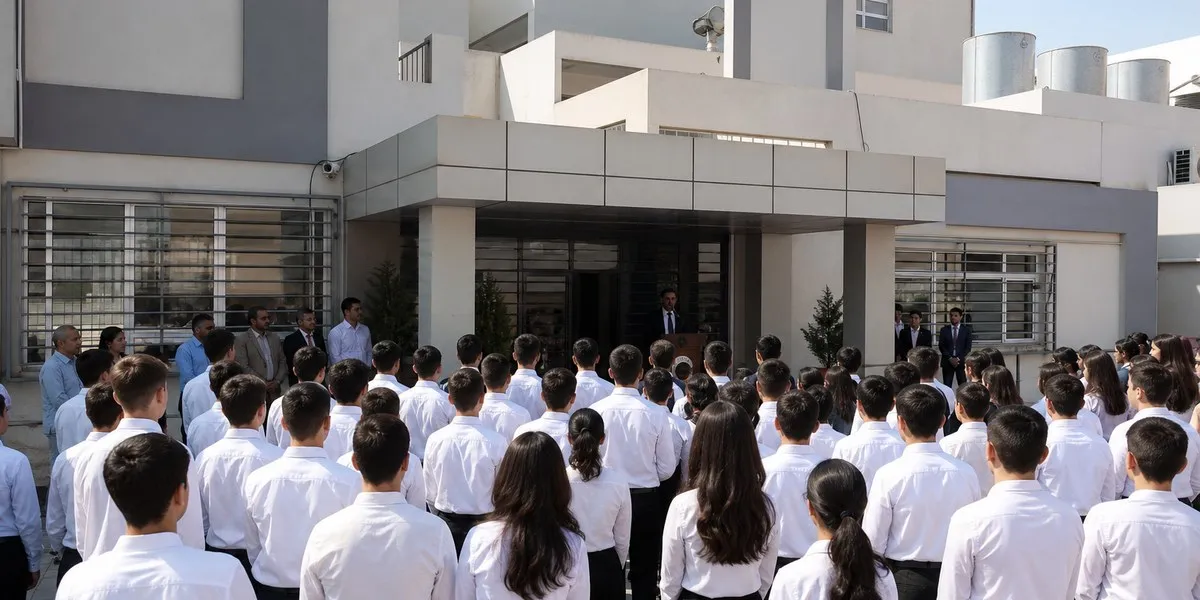
Masrour Barzani, the Prime Minister of the Kurdistan Region, recently urged parliamentarians to conclude their boycott and recommence parliamentary sessions. At an event celebrating the beginning of the 2026–2027 academic year in Erbil, Barzani emphasized that reactivating parliamentary functions is crucial for paving the way toward establishing a new regional government.
Additionally, Barzani pointed out that any arms not governed by state controls must be disarmed. Armed groups are demanding that any disarmament also encompass the Kurdish Peshmerga forces, further complicating the situation. They insist that the Peshmerga should be placed under the authority of Iraq’s commander-in-chief, rather than the regional government. However, Kurdish authorities strongly oppose this demand, citing Article 121(5) of Iraq’s constitution, which affirms regional powers to organize and establish their internal security forces.
Ongoing Negotiations Among Political Parties
Mahmoud Mohammed, a spokesperson for the Kurdistan Democratic Party, revealed that intense negotiations among various political factions are ongoing. He stated that discussions between the KDP and the PUK are taking place behind closed doors, and the restoration of the parliament’s functions and the formation of a new government will depend heavily on the results of these negotiations.
As these critical discussions unfold, it remains evident that the political climate in the Kurdistan Region is fraught with challenges. The outcome of the lawsuits and the resolution of political deadlocks may significantly shape the future of governance and stability in the region. Continued engagement and dialogue among political entities will be essential in navigating these complex issues to restore functionality within the Kurdistan Region’s government.