
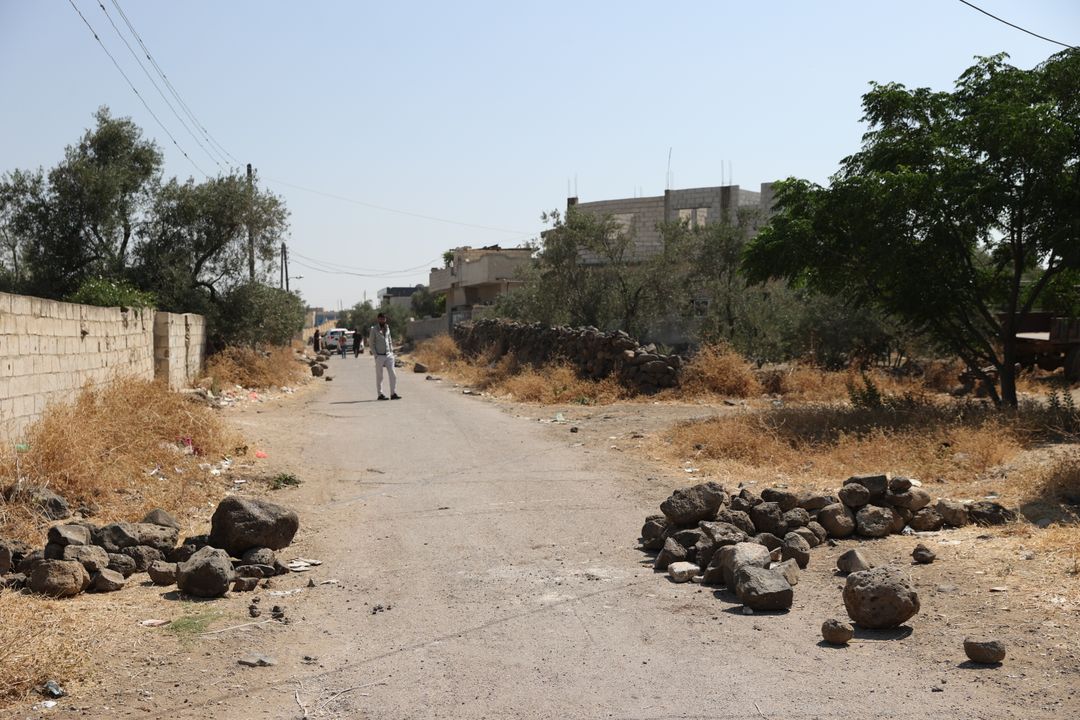
Following the dissolution of Bashar al-Assad’s regime in December 2024, Israel intensified its military presence in Syrian territory. This marked a significant shift in the dynamics of the region, with Israel asserting control over the formerly designated buffer zones and effectively nullifying the 1974 Separation of Forces Agreement that was established to separate Israeli and Syrian forces.
Background of the Separation of Forces Agreement
The 1974 agreement, facilitated by the United Nations, aimed to create a secure buffer zone that would prevent direct conflicts between Syrian and Israeli military forces. The UN Disengagement Observer Force (UNDOF) was deployed to monitor compliance and maintain peace within the area. This framework had long served as a foundation for maintaining relative stability, even amidst broader regional tensions. However, the collapse of Assad’s government led to a void that Israel has sought to exploit, prompting a reevaluation of the existing mechanisms intended to prevent conflict.
Israel’s Justification for Military Actions
Despite the absence of a direct military threat from Syria, Israel has engaged in numerous raids and airstrikes across Syrian territory. The Israeli government rationalizes these actions by claiming they are aimed at countering Iranian influence and attacks from militant groups operating in the region. However, these operations often result in civilian casualties and significant destruction of Syria’s military infrastructure, raising ethical and humanitarian concerns. This aggressive military posture not only undermines Syrian sovereignty but also complicates any prospects for peace in the region.
Consequences of Increased Military Engagement
The increased frequency of military engagements by Israel has severe repercussions for the stability of the region. Civilian casualties have sparked outrage and calls for accountability, while the destruction of military sites has escalated tensions further. The actions taken by Israel are viewed as provocations, potentially catalyzing responses from both Syrian forces and allied groups. This cycle of violence not only destabilizes the already fragile Syrian state but also poses broader implications for regional security, driving a wedge between various factions.
The International Community’s Response
The international community has largely remained silent on Israel’s escalating military campaigns in Syria. While some nations have condemned the raids, effective measures to address the situation have been lacking. The United Nations, despite its role in establishing peacekeeping protocols, has found itself increasingly sidelined as regional alliances shift. This presents challenges for any diplomatic efforts seeking to restore stability and security in Syria, complicating already precarious political dialogue.
In conclusion, Israel’s ongoing operations in Syrian territory highlight the fraught dynamics of Middle Eastern geopolitics following the recent upheaval in Syria. With the collapse of established agreements and the resort to military aggression, the region faces a challenging path ahead. Effective dialogue and robust international intervention will be pivotal for achieving enduring peace and stability. However, the current trajectory signals a troubling era of increased military actions that jeopardize not only Syrian sovereignty but also the security of the region as a whole.