
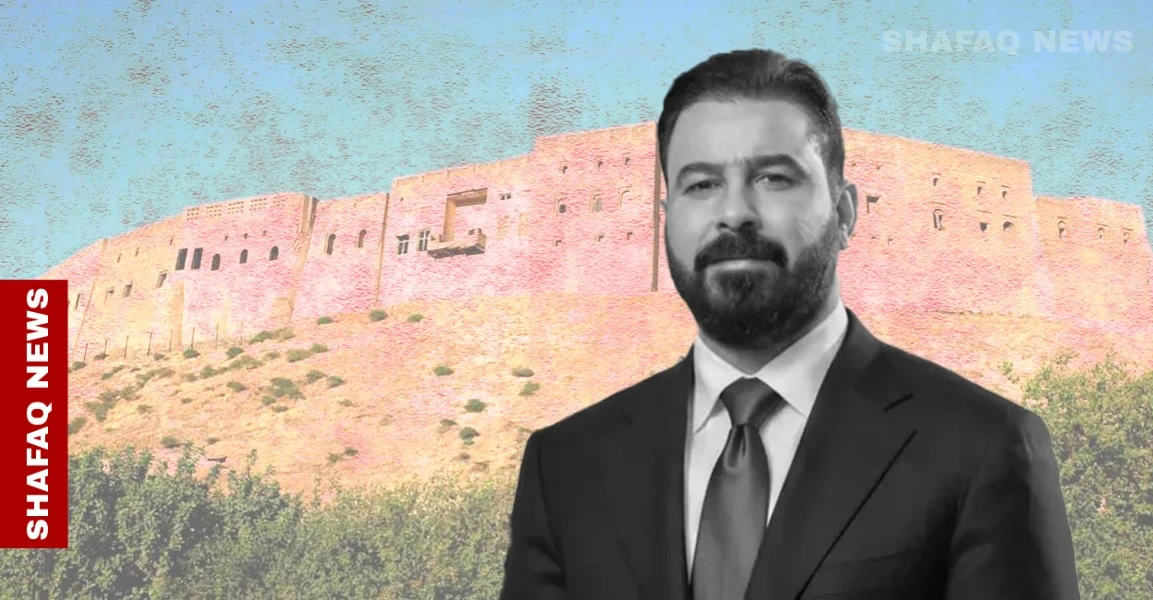
Iraqi Prime Minister Ali al-Zaidi recently commended the unification of Peshmerga forces under the Kurdistan Region of Iraq’s Ministry of Peshmerga Affairs. This significant move is viewed as a pivotal step toward enhancing national security and improving institutional governance within the region.
Importance of Peshmerga Unification
During his address, Al-Zaidi expressed his congratulations to the people of the Kurdistan Region and the Peshmerga for successfully completing the unification process. He underscored the importance of consolidating security and military forces under a single command to strengthen the decision-making process regarding national defense. This unification is not just a bureaucratic change; it symbolizes a commitment to a more coordinated and effective defense strategy, which is essential for responding to emerging threats in the region.
The unification is a culmination of years of efforts to create a unified command structure for the Peshmerga forces. Previously, these forces operated under separate command structures that often led to fragmentation and disorganization in response to military and security challenges. By bringing all Peshmerga fighters under one umbrella, Iraq is taking a significant stride toward a more coherent and united military front.
Completion of Long-Awaited Process
Earlier this week, the Kurdistan Region of Iraq officially celebrated the completion of this long-anticipated process. As of September 21, all Peshmerga forces will now operate under the Ministry of Peshmerga Affairs, effectively ending the separate command frameworks that had long characterized military operations in the region. This change is expected to enhance not only operational efficiency but also the overall morale of the forces and the populace.
Prime Minister Al-Zaidi emphasized that this unification should serve as a blueprint for future military and national security strategies in Iraq. By consolidating forces, Iraq hopes to project a unified stance against threats, both internal and external. The call for unity among the Peshmerga will likely resonate across the broader security apparatus, fostering a sense of shared purpose amongst various military factions in the region.
A Step Toward National Cohesion
The successful unification of the Peshmerga forces is not just a military achievement; it represents a critical step toward national cohesion and stability. By constructing a streamlined framework for governance, Iraqi authorities can better manage and allocate resources, respond to regional instability, and foster an environment of increased collaboration. This pivotal change garners prospects for a more stable and secure future in Iraq, especially for the Kurdistan Region.
In summary, Prime Minister Ali al-Zaidi’s endorsement of the unified Peshmerga forces highlights the significance of internal cohesion in addressing complex security issues. As Iraq continues to navigate its unique geopolitical challenges, the successful integration of military forces under a unified command will play an essential role in strengthening national security and enhancing governmental effectiveness. This monumental change could serve as an example for other regions facing similar circumstances in the Middle East.