
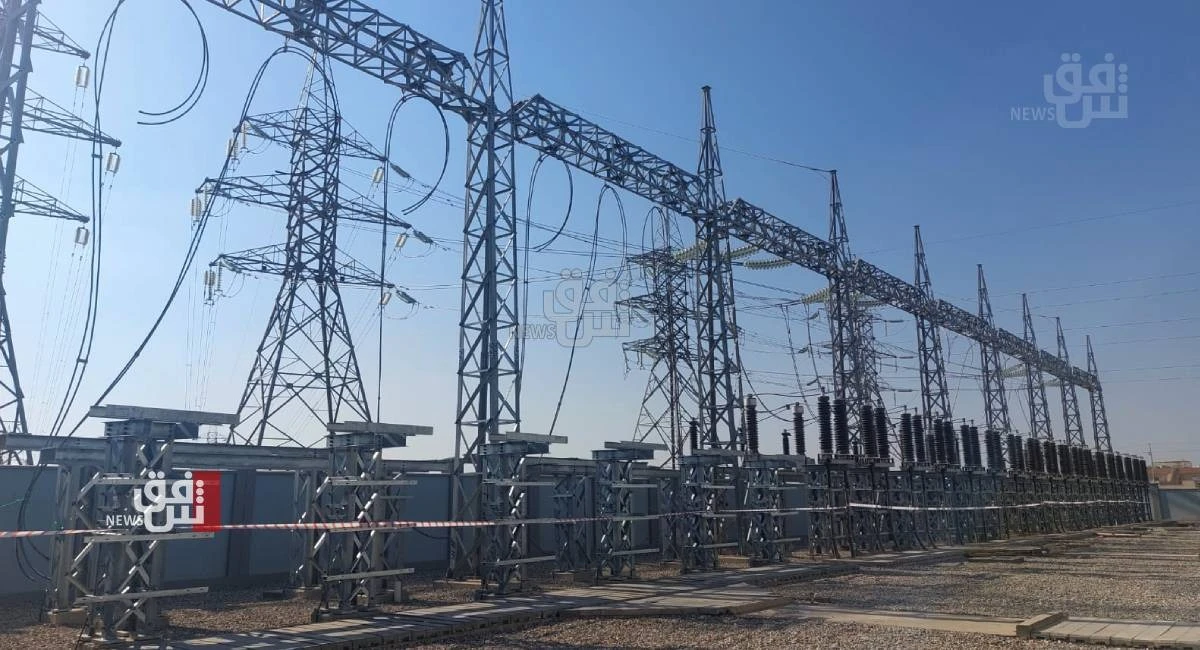
The recent events surrounding Iraq’s Electricity Ministry have underscored serious issues concerning operational safety and management accountability. On September 14, a tragic transformer explosion at Baghdad’s Al-Farabi substation claimed the lives of three employees, prompting an investigation and subsequent penalties against several officials.
Penalties Imposed on Electricity Officials
Following an internal inquiry, the Electricity Ministry held six officials accountable for “negligence.” Among those penalized was Riyadh Oraibi, the acting director general of the state-run General Company for Electricity Transmission/Central Region. The other individuals facing consequences included Amir Abdul Hassan Laibi, who serves as the chief engineer and director of the First Grid; Salam Hindi Sayyah, the head of operations; Sabah Sami Shathar, the former head of safety; Adnan Hassan Hussein, who is responsible for maintenance; and Mohammed Abdul Amir Mazhar, previously in charge of protection at the station. Their penalties were detailed in a ministerial order attributing the failures to “shortcomings” in adhering to operational protocols.
Investigation Results and Findings
The investigation revealed that the station’s SCADA (Supervisory Control and Data Acquisition) system had not been effectively monitored, raising questions about the oversight of safety measures at the facility. The documentation indicated that Abdul Zahra Farhan Katouf, who was the late station controller, had executed an operational procedure incorrectly that was not stipulated in the work order, leading to the catastrophic incident. This signifies a breakdown in communication and adherence to safety protocols that should have been in place to avert such disasters.
Future Steps and Training Initiatives
In light of the investigation’s findings, the Electricity Ministry has mandated that all transmission and distribution station controllers undergo training within the next six months. Failure to complete the training could lead to exclusion from their roles, emphasizing the government’s commitment to improving safety standards and operational efficacy within the electrical sector. Furthermore, the ministry has directed authorities to ensure that SCADA equipment installation, testing, and operation at secondary substations is executed according to a strict timeline, aiming to enhance overall monitoring and response capabilities.
Importance of Safety Protocols
This incident serves as a critical reminder of the importance of maintaining rigorous safety protocols, particularly in sectors that handle complex electrical systems. Proper training, adherence to procedures, and effective monitoring of systems like SCADA are vital in preventing future accidents. The Iraqi government’s actions following this explosion indicate a recognition of these needs, but true progress will depend on the implementation of these training programs and a culture of accountability within the Electricity Ministry.
In summary, the unfortunate events at Baghdad’s Al-Farabi substation have prompted necessary actions from Iraq’s Electricity Ministry aimed at preventing future tragedies. The imposition of penalties, coupled with required training for station controllers, signals a crucial step towards cultivating a safer work environment and reinforcing the integrity of operational management in Iraq’s electrical infrastructure.