
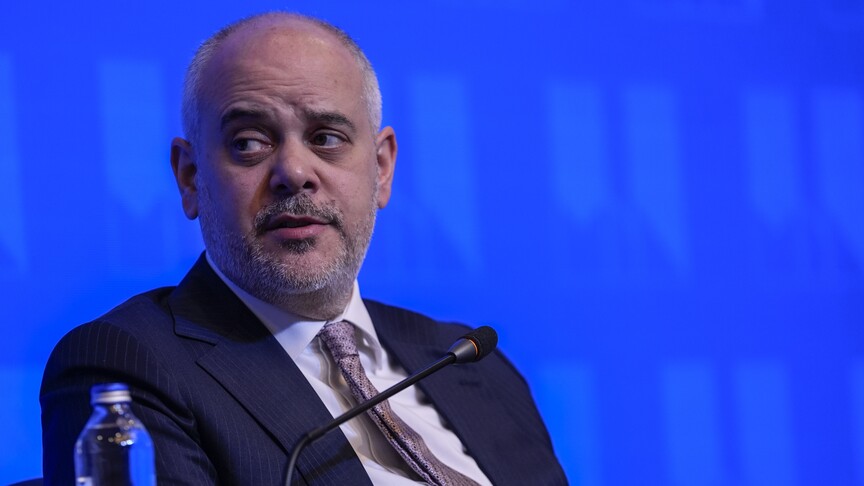
In a significant dialogue on international relations, Turkish President Recep Tayyip Erdogan’s Chief Foreign Policy and Security Adviser, Akif Cagatay Kilic, emphasized that the partnership between Türkiye and the United States extends far beyond mere military transactions. He highlighted NATO’s essential role as a foundation of bilateral ties during a panel discussion entitled “Türkiye-US Relations on the Eve of the Centennial,” organized by Türkiye’s Communications Directorate in New York, coinciding with the UN General Assembly week.
The Unique Nature of Türkiye-US Relations
Kilic remarked that the relationship Türkiye shares with the United States is fundamentally distinct from the myriad international partnerships established throughout the globe. He underscored that while military collaboration features prominently in their interactions, it is merely one aspect of a broader, multi-faceted alliance. The historical ties between the two nations date back to the 1830s during the Ottoman Empire’s reign, a fact noted by his panel colleague Cagri Erhan, deputy chair of the Presidential Council for Security and Foreign Policy.
Remarkably, Erhan emphasized that even during times of conflict, such as World War I, the U.S. did not declare war on the Ottoman Empire, showing a level of restraint that underscores the complexity and longevity of their relationship. As Türkiye’s geopolitical landscape has transformed since the 1950s and 1960s, Kilic pointed out that Ankara remains a pivotal player in regional stability, asserting that its geographical position is crucial for maintaining a balanced environment in the area.
Shared Interests and Global Perspectives
Drawing attention to the myriad shared interests between Ankara and Washington, former U.S. Ambassador to Türkiye James Jeffrey proclaimed, “we exist in the same world.” He elaborated on the significance of international organizations such as the IMF, World Bank, and NATO, asserting that these institutions play a vital role in fortifying the partnership. However, he was quick to highlight that the relationship transcends institutional affiliations; it is also shaped by the contrasting ideologies of countries like China, Russia, and Iran, which do not align with the values shared by Türkiye and the U.S.
Kilic and Jeffrey both acknowledged that the two nations significantly complement each other’s strengths. The ability of Türkiye to influence Mediterranean dynamics and extend its impact across much of Europe was particularly noted. Jeffrey praised the extraordinary coordination between Washington and Ankara, even amid disagreements, emphasizing that most of their interactions remain constructive.
Celebrating a Century of Diplomatic Ties
To further commemorate the centennial anniversary of Turkish-American diplomatic relations, a photo exhibition was launched at the venue hosting the panel discussion. This exhibit showcased milestone moments in the relationship, displaying iconic photographs of high-level contacts and visits between Turkish leaders and U.S. officials over the past century. With around 30 specially curated photographs on view, participants showed considerable interest, reinforcing the historical significance and ongoing vitality of this long-standing partnership.
In summary, the dialogue during the panel highlighted the multifaceted nature of Türkiye-U.S. relations. Both nations have a unique opportunity to leverage their historical ties and shared interests to address regional stability and global challenges in an increasingly complex international landscape.