
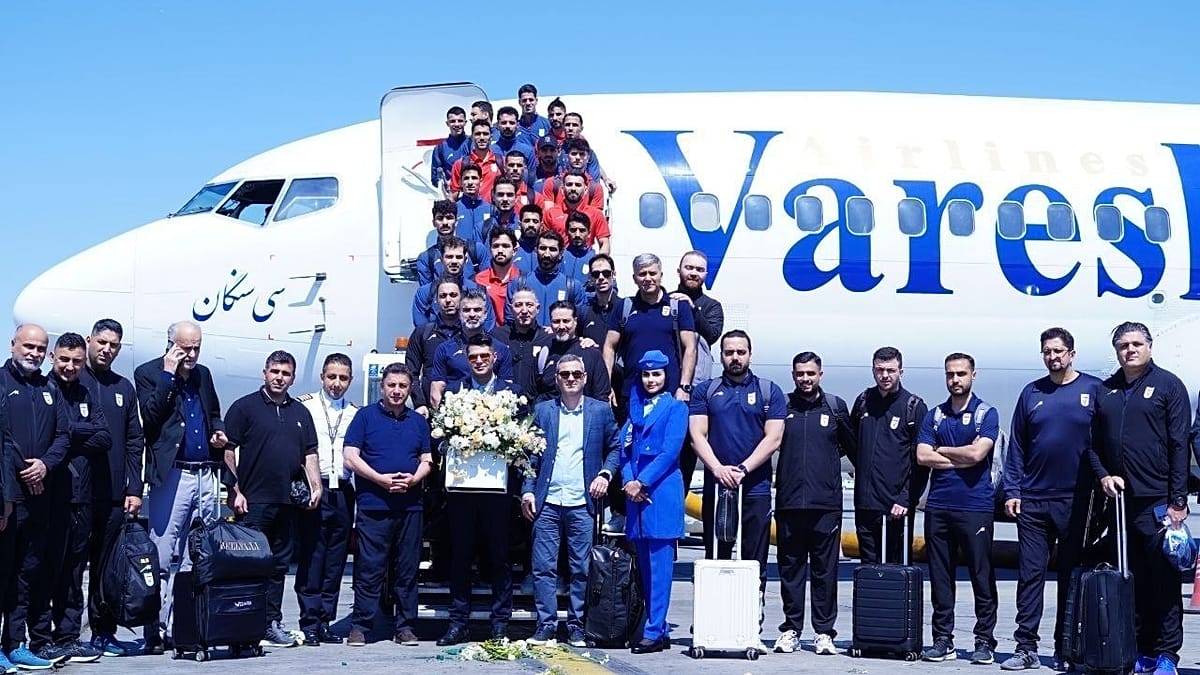
Iran’s national football team is embarking on a training camp in Turkey, but the journey is shadowed by a significant hurdle: the absence of U.S. visas for players and coaching staff. The Iranian Foreign Ministry has openly criticized Washington for what it calls “self-made excuses” to deny entry ahead of the World Cup. This situation has sparked tensions and raised concerns about the implications for Iran’s participation in the international tournament.
Visa Controversy Affects Team Readiness
Iran’s football spokesman, Esmail Baghaei, labeled the refusal of U.S. visas as “unacceptable” and described it as a violation of rights. The head of the Iranian Football Federation, Mehdi Taj, confirmed that no visas have been issued to any team members as of now. This lack of clarity has raised alarms, especially since the national team is set to play friendly matches in Turkey. Football association official Mohammad Nabi stated that they would be facing The Gambia in Antalya on May 29, and possibly another yet-to-be-determined opponent. Furthermore, potential matches against a Turkish club and Puerto Rico in Tucson hinge upon the acquisition of visas.
This logistical nightmare is compounded by the fact that preparations for the World Cup have been less than ideal, with numerous scheduled fixtures getting canceled due to ongoing hostilities in the region. Iran’s last training match was an internal scrimmage, indicating a concerning lack of competitive play leading up to the tournament. The team is also glaringly missing one of its star players, Sardar Azmoun, who has been left out of the squad after criticizing the government during recent protests.
Challenges of Player Representation
Sardar Azmoun’s situation is particularly emblematic of the challenges facing Iran’s national team. The striker has been a vital part of the squad, having participated in two previous World Cups. However, he has faced backlash for speaking out against government policies, including the crackdown on internet freedom. Media associated with the government have indicated that Azmoun would need to apologize for his comments to be reinstated in the team. In the midst of this, reports have surfaced that his property has been seized as a form of pressure.
The tensions extend beyond individual players. Iran is gearing up for its fourth consecutive World Cup, yet the political landscape complicates matters. The Islamic Revolutionary Guard Corps (IRGC), deemed a terrorist organization in the U.S. and Canada, presents a firestorm of political unrest that places additional barriers on the team’s participation in international events. U.S. Secretary of State Marco Rubio has asserted that IRGC-affiliated individuals will be barred from entering the country, complicating any potential travel for the squad.
Domestic Sentiment Influences National Team
In the face of such obstacles, public support for the national team appears to be waning. Recent protests and internet blackouts have engendered a sense of disconnection between the players and the general populace, particularly as many team members have aligned their public stances with official government policies. The send-off ceremony held in Tehran recently was marked by chants of “Death to America” and a visible display of Hezbollah flags, pointing to an unsettling intersection of sports and politics within Iran.
As the team looks ahead to its challenging World Cup journey, the confluence of political turmoil, visa issues, and dwindling public enthusiasm raises serious questions about their readiness on the international stage. Without crucial support from fans and amidst a backdrop of political strife, Iran’s hopes for a successful World Cup campaign hang in the balance.