
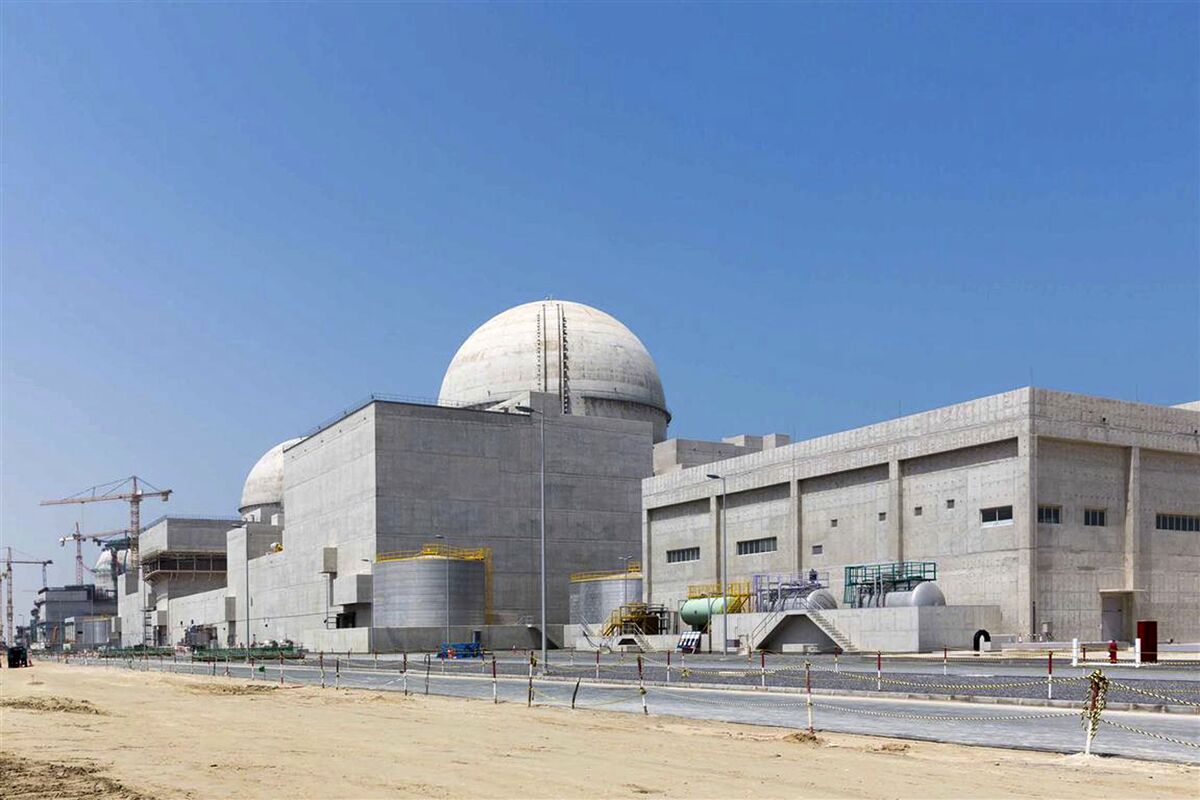
In recent times, geopolitical tensions have escalated in the Middle East, particularly following a drone strike near the United Arab Emirates’ sole nuclear power facility. This incident has highlighted not only the delicate nature of the current ceasefire regarding tensions with Iran but also the inherent risks faced by civilian energy infrastructures in volatile regions.
The Regional Tensions Surrounding the UAE Nuclear Plant
The United Arab Emirates has invested considerably in its nuclear energy program, viewing it as a crucial element for diversifying its energy sources and reducing dependence on fossil fuels. However, the drone attack serves as a stark reminder of the precarious balance of power in the region. The proximity of the UAE’s nuclear facility to conflict zones raises questions about the adequacy of security measures in place to protect such critical infrastructure from potential threats. In a landscape where drone technology is increasingly accessible, the risk profile for nuclear plants has grown significantly.
Impact of the Drone Strike on Ceasefire Dynamics
This recent attack on the UAE’s nuclear site could have immediate and far-reaching implications for the ongoing ceasefire agreements with Iran. The drone strike signals unease and potential escalation rather than stability. Observers worry that such incidents could lead to retaliatory actions, further complicating diplomatic efforts aimed at de-escalating hostilities in the region. The fragile nature of these agreements makes it imperative for all parties involved to recalibrate their strategies to ensure the safety of not only military targets but also civilian installations, which are often painted as neutral ground.
Vulnerability of Civilian Energy Infrastructure
Civilian energy infrastructures, particularly nuclear power plants, are typically seen as symbols of stability and progress. Yet, recent events underscore their susceptibility in conflict regions. The rise of drone warfare adds a new dimension of risk that nations must grapple with. As governments continue to adopt advanced technologies in their defense strategies, the protection of non-military sites from such increasingly sophisticated attacks will require enhanced surveillance, improved crisis response protocols, and a rethought approach to national security.
The Broader Implications for Energy Security
The implications of such strikes extend beyond immediate physical safety; they also threaten broader energy security. Countries invest heavily in nuclear energy to ensure stable and reliable power sources. However, when these facilities come under threat, the fear of energy disruptions can lead to market volatility. Stakeholders in the global energy market must be vigilant and proactive in assessing risks, as geopolitical instability can ripple through supply chains, affecting prices and availability. Enhanced international cooperation and intelligence sharing can serve as vital tools to mitigate these threats and protect energy infrastructures.
In summary, the incident involving a drone strike near the UAE’s nuclear plant illustrates the complex interplay of regional tensions, security vulnerabilities, and the precariousness of ceasefires. The importance of safeguarding civilian infrastructure in conflict zones cannot be overstated, and nations must prioritize their security while navigating the intricacies of diplomacy in a rapidly evolving geopolitical landscape. As the situation unfolds, it remains essential to keep a close eye on how developments will impact energy security not just in the UAE, but across the broader Middle East and beyond.