
The Economic Strain of War on Basra’s Oil Sector
In Basra, Iraq’s oil epicenter, local contractor Fawzi finds himself stuck in a frustrating routine of waiting for work that rarely materializes. The ongoing conflict in the region has severely impacted this once-vibrant port town, which is crucial to Iraq’s economy.
The Economic Impact of the Conflict on Basra
Basra has historically played a vital role in Iraq’s financial landscape. However, after months of Iran’s blockade in the Strait of Hormuz, the city’s economic activities have plummeted. Oil exports, which represent nearly 90% of Iraq’s foreign revenue, have been significantly disrupted. The port of Umm Qasr, a critical gateway for these exports, has seen operations cut back. Many individuals in Basra’s workforce have faced job losses or substantial pay cuts due to the stagnation of activities in oil fields and the port. “I’ve been inactive for a month,” Fawzi remarked, expressing frustration over the lack of maintenance tasks.
The logistical challenges resulting from the conflict have led to a halt in oil truck activity, leaving many stranded on the roads. Some trucks wait for weeks, either with full tanks or entirely idle. As a consequence, residents are feeling the financial strain, making it difficult for families to make ends meet.
A Shift Towards Lower Oil Exports and Prices
Before the conflict escalated, Iraq was producing around four million barrels of crude oil daily, exporting approximately 3.4 million barrels. However, the blockade forced the nation to reduce its production levels drastically, leading to overflowing storage facilities. Experts have consistently urged Iraq to diversify its income sources to alleviate reliance on oil exports. Yet, the country’s underdeveloped private sector and weak banking system hinder any significant progress.
While Iraq has attempted to explore alternative export routes, such as pipelines through Syria and Turkey, these can only handle a fraction of the oil trade that typically flows through the Strait of Hormuz. Despite a slight recovery in oil exports observed in early September, the country was forced to sell its crude at discounted prices, which further jeopardizes its economic stability.
The Local Economy and Community Resilience
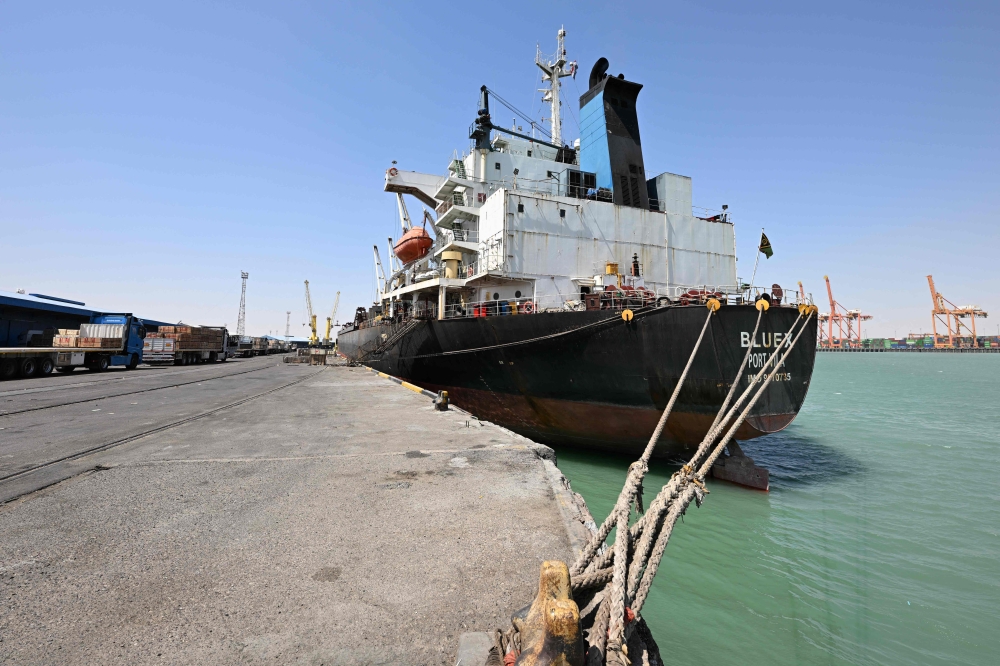
The repercussions of the ongoing turmoil extend beyond oil and gas. Iraq imports nearly all its essential goods, resulting in a crumbling landscape at the major port of Umm Qasr, which now sees only a few vessels docking. With a lack of incoming ships, local businesses are collapsing under the weight of rising costs and falling sales. Electronics vendor Zaid Hadi noted that his sales have halved as customers grow hesitant—wary of impending salary delays and a tightening budget.
State employees in the port sector have lost financial incentives linked to port profits, further exacerbating the economic crisis. The head of the port’s northern section, Captain Salem Hussein, highlighted the urgent need for normalized shipping activities, asserting that “real work resumes only when Hormuz reopens.”
Overall, Basra stands at a precarious juncture, dependent on the reestablishment of both the port and oil exports for its economic revival. As experts predict the ongoing conflict may linger through the year, Basra’s residents remain in a state of uncertainty, hoping for a swift resolution that will allow their city to regain its footing.