
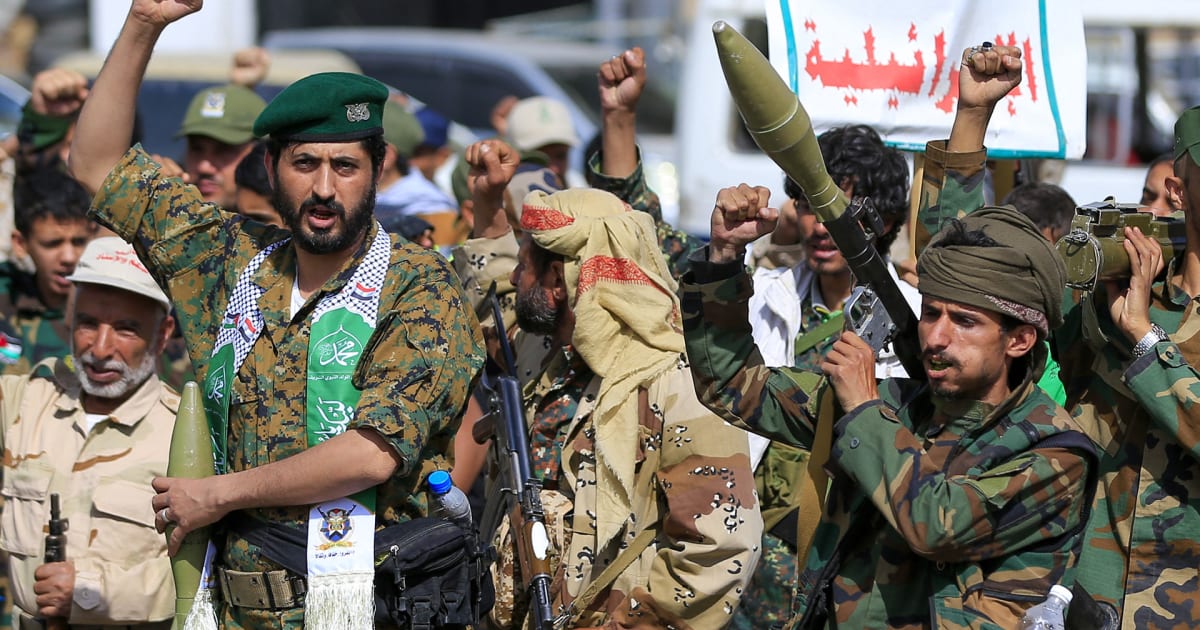
In a complex geopolitical landscape, the dynamics between the U.S. and Saudi Arabia are under scrutiny, particularly in light of Saudi Crown Prince Mohammed bin Salman’s direct communications with President Donald Trump. This interaction highlights not only the relationship between these two nations but also the potential obstacles the U.S. may face as regional tensions rise, especially with the Houthis asserting control over strategic waterways like the Bab al-Mandeb Strait.
The U.S.-Saudi Relationship: An Overview
The alliance between the United States and Saudi Arabia has historically revolved around mutual interests, including economic ties, energy security, and military cooperation. The U.S. has depended on Saudi Arabia for oil, while Riyadh has relied on Washington for military support and defense. This relationship has been particularly significant in countering regional threats, but recent shifts in power dynamics and leadership styles have introduced new complexities.
Crown Prince Mohammed bin Salman, often referred to as MBS, has reshaped the Saudi political landscape. His overtures to President Trump signify a strategic approach aimed at reinforcing Saudi interests. This direct communication underscores the importance of personal relationships in international diplomacy, with both leaders navigating domestic pressures and regional challenges.
Emerging Challenges: The Houthis and Bab al-Mandeb Strait
As the Houthis increase their influence in Yemen, they pose a significant threat to maritime security in the region, particularly at the Bab al-Mandeb Strait. This narrow passage is critical for global trade routes, especially oil shipping. The Houthis’ potential control over this chokepoint could disrupt not only regional stability but also the global economy, and consequently, the interests of both the U.S. and Saudi Arabia.
The U.S. may find itself facing a dual challenge: supporting Saudi Arabia’s efforts to counter Houthi advancements while managing broader Iranian influences. Iran’s backing of the Houthis complicates the situation, as it adds another layer of rivalry to an already intricate geopolitical chessboard. As these tensions escalate, the implications for U.S. foreign policy could be profound, calling into question existing strategies in the Middle East.
Strategic Implications for U.S. Policy
The evolving situation necessitates a reassessment of U.S. policy towards both Saudi Arabia and its adversaries in the region. It may require a more nuanced approach to engage with the Crown Prince, balancing support for Saudi initiatives against the backdrop of domestic and international pressures. The U.S. must navigate these waters carefully, ensuring that its tactical responses are aligned with long-term strategic interests.
Additionally, as the Houthis continue to assert their power, the United States will have to consider its commitments in the region more critically. This might involve revisiting military partnerships and support mechanisms, as well as fostering diplomatic dialogues among involved parties to diffuse tensions.
In conclusion, as Crown Prince Mohammed bin Salman reaches out to President Trump, the implications for U.S.-Saudi relations grow increasingly intricate. With the Houthis’ advancing control over key maritime routes, the challenges facing Washington are not only immediate but also indicative of broader regional shifts. The future of U.S. foreign policy in the Middle East hinges on understanding these dynamics and responding with agility and foresight.