
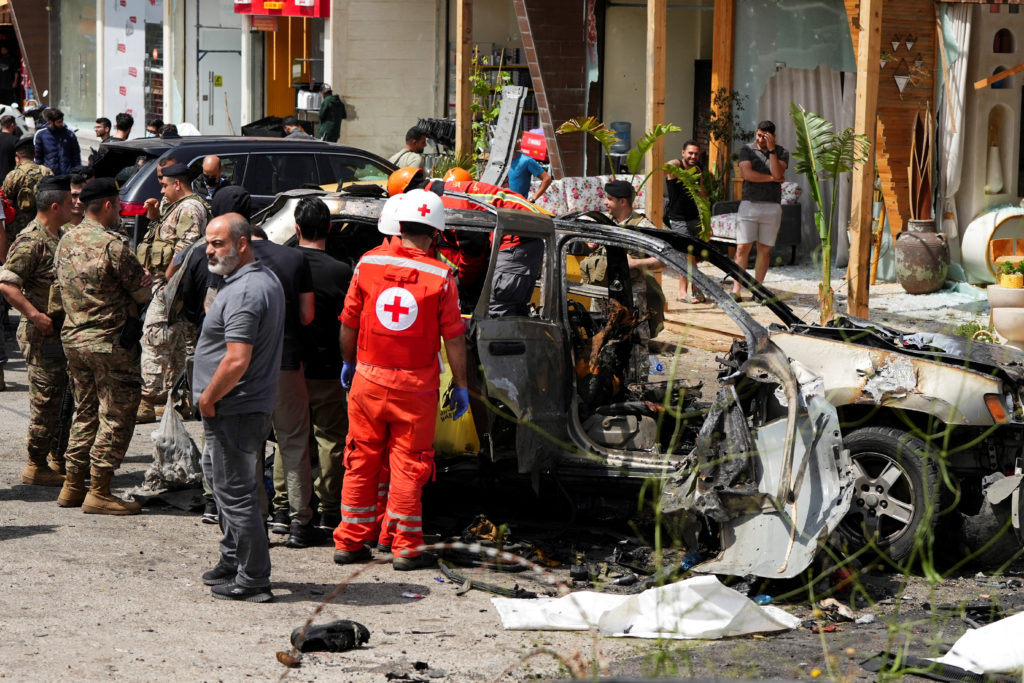
The ongoing conflict between Israel and Hezbollah has intensified, resulting in a devastating humanitarian crisis in Lebanon. As the situation escalates, the impact on civilians continues to grow, pushing the death toll beyond 3,000 according to the Lebanese health ministry. The violence began on March 2 when Hezbollah launched attacks on Israel, shortly after U.S. and Israeli forces targeted Iranian interests. Despite attempts at a ceasefire, hostilities persist, raising concerns about regional stability.
Casualties and Humanitarian Impact
As reported, the death toll now stands at 3,020, including a significant number of women and children—292 and 211, respectively. The relentless fighting has resulted in widespread displacement, with more than a million individuals forced from their homes. Many have sought refuge in makeshift shelters along Beirut’s roads and waterfront. The hardships faced by these displaced citizens underscore the urgent need for humanitarian assistance, as basic necessities become increasingly scarce amid the ongoing strikes.
Israel’s military operations, deemed necessary to counter Hezbollah’s rearmament efforts, have resulted in extensive bombardments, particularly affecting southern Lebanon and the capital, Beirut. In response, Hezbollah has shown no inclination to disarm, resisting both internal and external pressures to do so. The militant group, which also holds significant political power within Lebanon, continues to stand firm against what it perceives as Israeli aggression.
Continued Conflict Amid Diplomacy
Despite a tenuous ceasefire being agreed upon, assaults from both sides have continued unabated. Israeli military officials are urging civilians in southern towns to evacuate ahead of planned airstrikes. Recent reports indicate that an Israeli strike killed a member of the Palestinian Islamic Jihad and his daughter, further complicating the fragile circumstances in the region.
While formal talks are ongoing between Israel and Lebanon regarding a potential normalization of relations, Hezbollah remains an excluded party. This exclusion raises questions about the efficacy of any agreements reached and their implementation. Notably, Lebanese officials are focused on securing an armistice that would prioritize the withdrawal of Israeli forces while maintaining commitment to disarm Hezbollah.
Amid these negotiations, there has been an agreement to extend the ceasefire by an additional 45 days, with military delegations set to engage in direct talks. U.S. involvement in brokering these discussions highlights international interest in stabilizing the situation, yet local political dynamics remain fraught. Lebanese President Joseph Aoun’s reluctance to meet with Israeli Prime Minister Benjamin Netanyahu in Washington reveals the internal pressures facing Lebanese leaders.
The Broader Context of the Conflict
The historical backdrop of this conflict dates back to Israel’s establishment in 1948, and the relationship between these two nations has been fraught with tension since then. Recent clashes represent not just a localized struggle, but a broader confrontation influenced by regional powers. The involvement of Iran, an ally of Hezbollah, adds another layer of complexity to an already volatile environment.
As fatalities continue to rise—20 Israeli soldiers, two civilians, and a contractor among the dead—it becomes increasingly clear that a resolution requires not only immediate ceasefire agreements but also sustained dialogue aimed at addressing the underlying causes of conflict. The United Nations peacekeeping forces stationed in southern Lebanon have found themselves caught in the crossfire, with casualties among their ranks further illustrating the perilous nature of this situation.
Moving forward, the international community must closely monitor developments, advocating for renewed efforts towards peace while addressing the pressing humanitarian needs of those affected by the ongoing violence. In this rapidly evolving landscape, the effects of these conflicts extend far beyond Lebanon and Israel, influencing geopolitical dynamics across the region.