
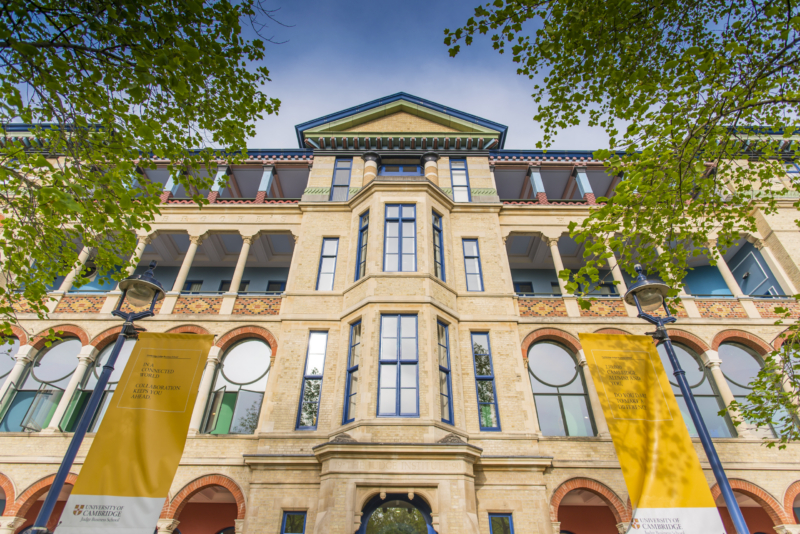
The potential partnership between Cambridge Judge Business School and Saudi Arabia’s Ministry of Defence has sparked significant controversy. As reported by various sources, including the Guardian, the initiative is aimed at providing leadership development and innovation management training to Saudi defense officials, which raises pressing ethical questions due to the kingdom’s questionable human rights history.
Concerns Over Human Rights and Academic Integrity
Documents revealed to the Guardian indicate that Cambridge’s committee on benefactions and external affairs initially approved the idea of pursuing a memorandum of understanding with the Saudi defense ministry. This proposed collaboration aims to enhance executive education, leadership training, and healthcare administration strategies. However, several committee members voiced serious concerns about Saudi Arabia’s record on human rights and climate change, questioning whether the university could ensure academic freedom for faculty involved in this initiative.
A group of senior academics described the proposal as “horrifying,” suggesting that it contradicts Cambridge’s commitments to free speech and non-discrimination. The mounting criticism raises an essential discussion about the responsibilities of academic institutions to uphold ethical standards, especially when collaborating with governments known for authoritarian practices.
Official Denial and Growing Backlash
In response to the backlash, a spokesperson for Cambridge Judge clarified that no formal memorandum of understanding has been signed with Saudi Arabia’s Ministry of Defence. This assertion seeks to draw a distinction between the proposal and a confirmed agreement. Nevertheless, the implications of such potential partnerships remain a focal point of public scrutiny.
Additional reports indicate that the sons of imprisoned Saudi scholars, who face dire consequences in their homeland, have publicly urged Cambridge’s leadership to reconsider any future dealings with the Saudi government. They argue that aligning with such an entity could lend credibility to what they term a “false narrative of reform” propagated by Saudi Crown Prince Mohammed bin Salman. Human rights organizations, including Reprieve and Index on Censorship, have echoed these sentiments, stressing the potential dangers of legitimizing authoritarian regimes through academic partnerships.
Global Reactions and Ethical Questions
The debate surrounding this partnership extends far beyond British media outlets. International human rights groups and advocacy organizations have voiced their condemnation, warning that academic institutions risk enabling “image rehabilitation” efforts by authoritarian governments by engaging in such prestigious collaborations. This sentiment underscores a growing need for universities to reconsider their partnerships critical diplomatic relationships.
The online discourse has also been passionate, with platforms like Reddit hosting vigorous discussions. Many users have expressed deep concern regarding university administrators’ judgment when cooperating with foreign governments that suppress dissent. This outcry highlights broader societal worries about the role of educational institutions in maintaining ethical integrity and promoting human rights globally.
As the situation unfolds, it remains crucial for institutions like Cambridge to navigate these complex waters carefully. The implications of engaging with controversial governments not only reflect on the university’s reputation but also pose significant moral questions for academia. How should educational institutions balance the need for international collaboration with the duty to uphold human rights? The answer lies in transparent dialogue and a firm commitment to principles of ethical conduct.