
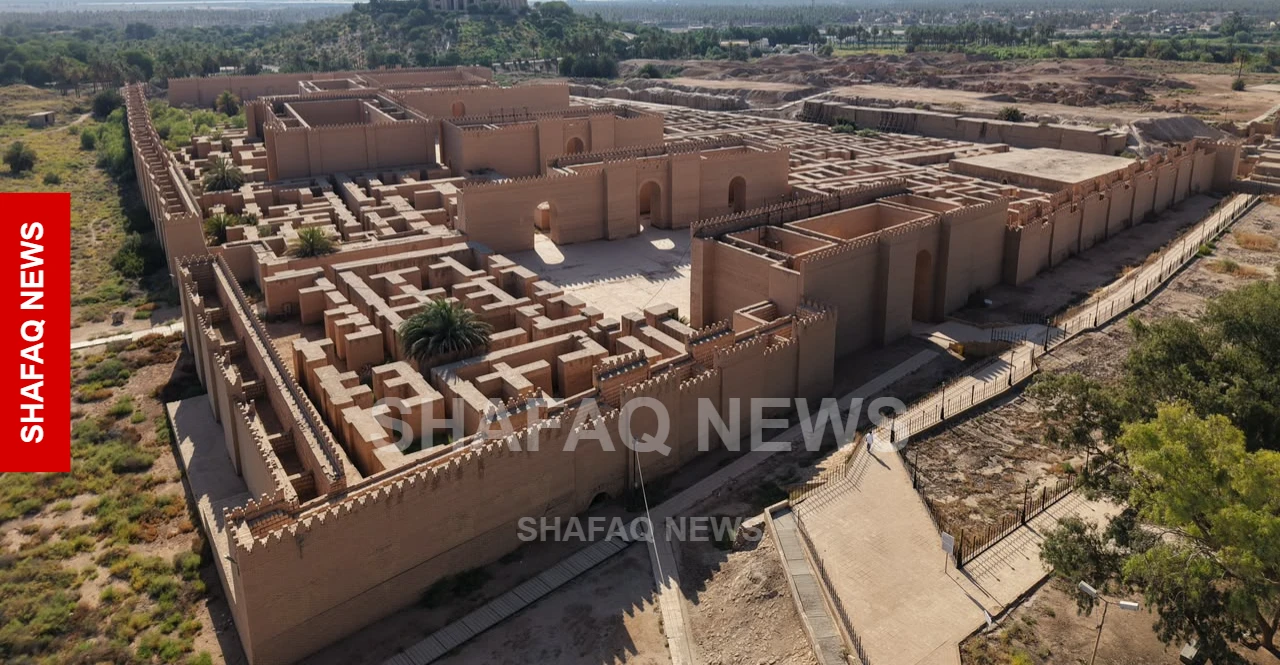
Iraq is home to a rich tapestry of heritage, with an estimated 626,000 heritage buildings identified across the country. This was revealed by Saad Hamza Zghair, the deputy director general of world heritage at the Ministry of Culture, Tourism, and Antiquities. These structures are classified based on specific criteria, highlighting the importance of preserving Iraq’s unique architectural legacy.
Classification of Heritage Buildings
Zghair explained that these heritage buildings are sorted into three distinct categories: A, B, and C. Category A comprises structures of significant importance that preserve their essential heritage features. In contrast, Categories B and C indicate a decreased level of significance, reflecting the varying degrees of historical and architectural value. The defining features that qualify these buildings for heritage status include traditional decorative elements such as arches and vaults. These architectural characteristics not only enhance their aesthetic appeal but also serve as a testament to Iraq’s diverse historical influences, spanning from Sumerian and Babylonian civilizations to contemporary structures.
Historical Context and Significance
Beyond architectural beauty, the significance of these buildings lies in the historical stories they tell. Many structures are intricately linked to notable figures in Iraqi culture, such as poets, artists, and historians, as well as religious institutions of great importance. Zghair emphasized that while the physical features of these buildings are crucial, the narratives tied to them contribute immensely to their heritage value. For example, homes of esteemed personalities and significant mosques add layers of meaning to Iraq’s cultural fabric.
Legal Framework for Preservation
The Iraqi Antiquities and Heritage Law contains over 17 articles aimed at safeguarding the heritage buildings. This legal framework details the procedures for registration and formal declaration of these structures while imposing penalties for violations. Zghair further noted that, although building owners retain ownership rights and can sell, purchase, or lease their properties, any alterations—such as demolition or renovations—must first receive approval from antiquities authorities. This law not only protects the heritage buildings but also offers property owners tax exemptions, grants, and loans to aid in the maintenance and restoration of their heritage properties.
Future Goals and Importance of Preservation
The Ministry of Culture aspires to systematically register all heritage buildings in official documentation, signifying a commitment to protecting Iraq’s architectural history. Major cities with deep historical roots like Baghdad, Basra, and Mosul showcase the highest concentrations of these buildings. This emphasis on preservation underscores a broader recognition of the cultural and historical importance of these structures, aiming to secure their place for future generations to appreciate and learn from. Thus, preserving Iraq’s architectural heritage is not just an act of maintaining old buildings; it’s a commitment to safeguarding the narratives and identities of a rich and diverse past.