
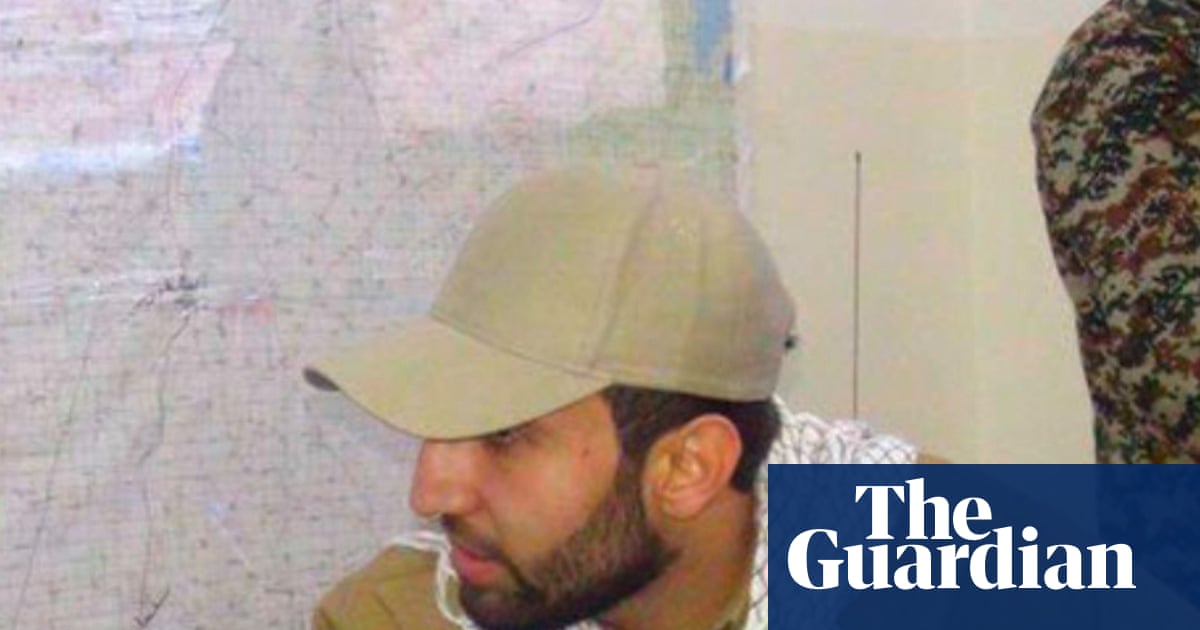
On a recent Friday, a 32-year-old Iraqi national stood before a New York court, charged with planning attacks against Jewish community centers in the United States. This surprising development unveiled a disturbing insight into Iran’s strategic use of terrorism to instigate discord within communities across Europe, the United Kingdom, and the US. The arrest of Mohammed Saad Baqer al-Saadi, a key figure connected to the militia Kataib Hezbollah, reveals the unsettling tactics employed by Iranian operatives engaging in transnational terrorism.
The Role of Iran in Global Terrorism
Al-Saadi is alleged to have played a significant role in orchestrating 18 distinct assaults, which include firebombings at synagogues and community centers across several countries. Among these is a knife attack that recently injured two Jewish men in Golders Green, London. His criminal history outlines a new and complex method of long-distance instigation of violence that poses a mounting challenge for Western authorities. Al-Saadi’s legal counsel maintains he is a political prisoner, and he has yet to enter a plea.
Traditionally, executing covert operations from afar required skilled agents who would undertake years of preparation. This usually involved infiltrating networks or recruiting individuals who shared a visceral commitment to a cause. In stark contrast, today’s terrorism landscape allows operators to utilize multiple proxies spread across vast distances, making recruitment significantly simpler. Although these new recruits might not possess the same level of commitment or capability as seasoned operatives, their sheer numbers can pose serious risks.
The Evolution of Recruitment Tactics
Tom Keatinge, who heads the Centre for Finance and Security at London’s Royal United Services Institute, emphasizes how contemporary recruitment methods have evolved. It’s now commonplace for spymasters to recruit individuals via social media platforms, often without any ideological alignment with their objectives. This shift signifies a departure from traditional forms of recruitment, where operators were selected based on their loyalty to a cause.
The advent of encrypted messaging and cryptocurrencies has revolutionized payment methods for such activities. Recent operations, traced back to al-Saadi, showcase how minimal financial incentives can lure individuals into criminal acts. Allegations have emerged that al-Saadi offered an undercover FBI agent $3,000 as an advance, with promises of additional payments post-operation. Peter Neumann, a terrorism expert at King’s College London, notes the emergence of what he calls “terrorism as a service,” wherein individuals are hired to commit acts of violence not out of ideological fervor but merely for compensation.
Social Media: A New Recruitment Avenue
Recruitment for terrorist activities is increasingly happening on platforms like Snapchat and Telegram, often within groups dealing in illicit goods or other criminal enterprises. This trend highlights a concerning reality—individuals enlisting in these operations often lack full understanding or commitment to their roles.
Interestingly, the motivations behind terrorism today raise new questions regarding the conventional understanding of radicalization. As Neumann points out, when individuals engage in violence purely for financial gain, the traditional narrative of ideological extremism weakens. However, the underlying political agendas persist, and the impacts of such actions on targeted communities are profound and devastating.
Iranian intelligence efforts to recruit across Western jurisdictions face unique challenges compared to operations in nations where they have a cultural foothold. The nature of the recruitment conducted by al-Saadi—using a supposed Mexican drug cartel boss as a front—illustrates the lengths to which operatives will go to further their objectives. This approach fits into a broader trend where countries like Russia and Iran have utilized unconventional methods to sow discord, employing hybrid warfare strategies that include a mix of sabotage and psychological manipulation.
In summary, today’s terrorism landscape is marked by a dangerous evolution in recruitment and operational methodologies. As communities grapple with the implications of these changes, the need for vigilance and adaptability in counter-terrorism strategies has never been more pressing.