
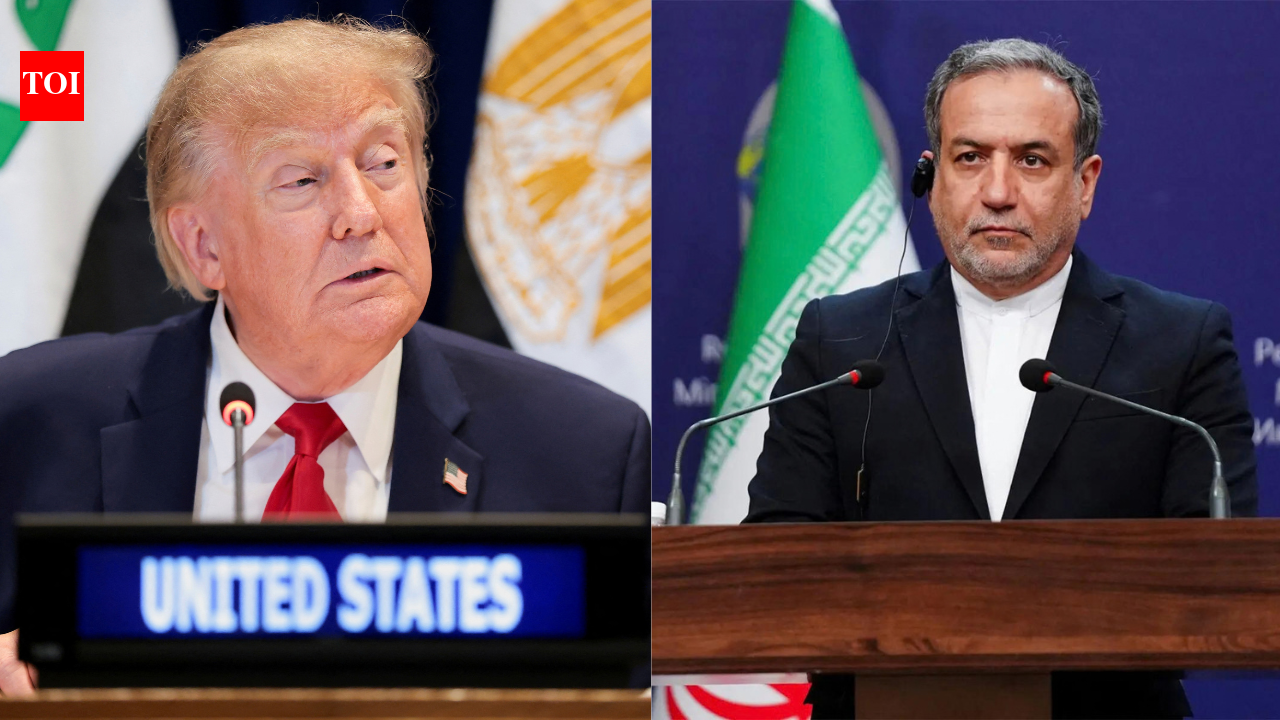
US-Iran Relations: Key Developments from Recent Talks
Recently, a surprising dialogue took place between the United States and Iran. During the annual United Nations General Assembly (UNGA), President Donald Trump revealed that US representatives had engaged in discussions with Iranian officials aimed at de-escalating ongoing tensions. As the world watches closely, the outcomes of these meetings could significantly influence the geopolitical landscape in the region.
Details of the Meeting
President Trump expressed optimism following the unexpected talks, which lasted approximately three hours. His key envoys, Steve Witkoff and Jared Kushner, represented the US side. Trump described the interaction as “very good,” indicating that, although the Iranian representatives were not at the highest levels, there was openness to negotiation.
According to Witkoff, the talks were facilitated via mediators who relayed messages back and forth between the two sides. The discussions reportedly focused on Iran’s conditions for peace, including an end to hostilities and the cessation of what they deem US “acts of aggression.” Iranian Foreign Ministry spokesperson Esmail Baghaei disclosed that they also sought the lifting of the naval blockade affecting their economy and the release of Iranian assets. Furthermore, a senior Iranian official mentioned that Iran is willing to allow access to the Strait of Hormuz within a week if the US reciprocates by easing military and economic pressures.
Trump’s Strong Stance
During his speech at the UNGA, Trump justified the US military actions in Iran, asserting that he had exhibited more resolve than other leaders. He asserted that Iran’s current situation was not a reflection of strength but rather of desperation. Trump emphasized that the opportunity for a deal exists that could allow Iran to prosper, suggesting that if negotiations fail, he might opt for strong military action against the Islamic Republic.
Trump’s remarks highlighted the urgency of the situation: “I have a big decision to make.” He portrayed the potential for a diplomatic resolution as being weighed against the possibility of swift military action. His comments were met with discontent; many Iranian delegates walked out of the assembly as he condemned the Iranian regime.
The Impact on Energy Markets
The ongoing conflict in Iran not only affects diplomatic relations but also keeps energy markets restless. The elevated tensions have already resulted in significant volatility in oil prices. For instance, recent attacks by Iran-backed insurgents led to the closure of a critical Saudi pipeline, further complicating the oil supply chain. Additionally, the territorial gains of Iranian-aligned Houthi rebels in Yemen have raised concerns about the safety of maritime routes vital for shipping oil.
Despite military setbacks that have weakened Iran’s leadership, including targeted strikes by the US and Israel, the situation remains precarious. The ongoing conflict and its ripple effects on energy markets underscore the importance of the negotiations currently taking place.
As the situation evolves, the potential for peace or continued conflict looms heavily. Observers are keenly interested in how both sides will navigate these discussions while managing their domestic and international pressures. The coming weeks could prove vital in determining the trajectory of US-Iran relations and broader regional stability.