
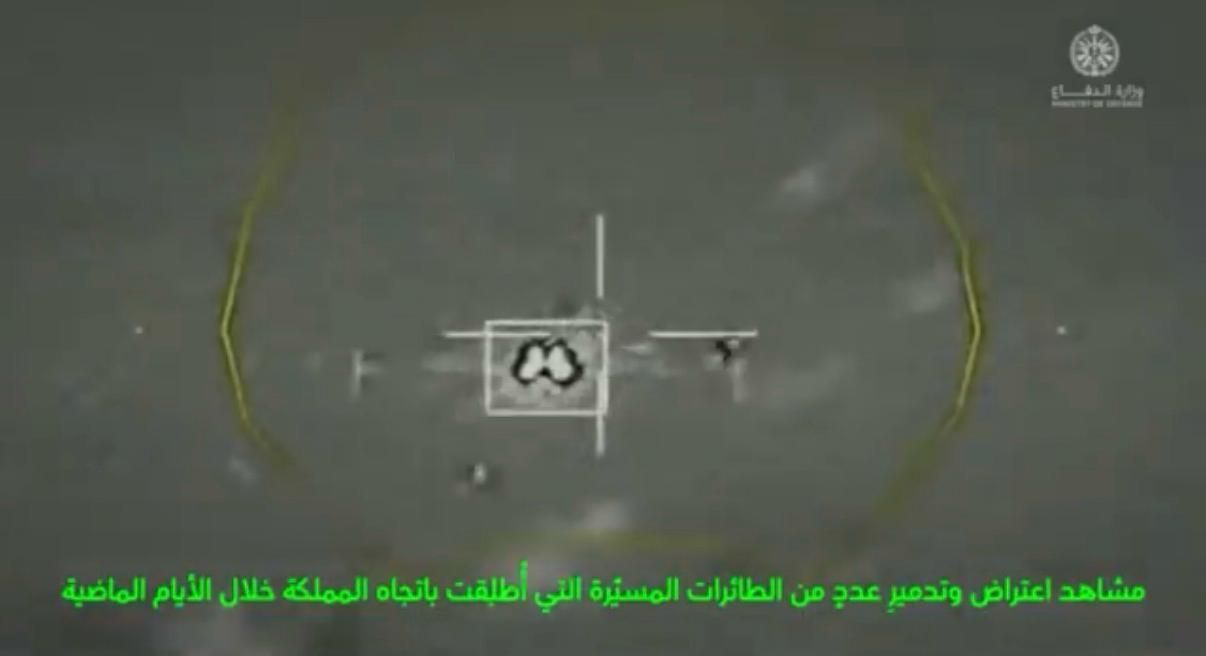
Iraq’s Ministry of Foreign Affairs recently voiced significant apprehension regarding drone attacks directed at Saudi Arabia. The ministry issued a statement confirming that it is investigating these incidents but insisted that its air defense systems did not identify any drone launches from Iraqi soil. They urged Riyadh to provide relevant intelligence that would aid both nations in enhancing their security and stability.
Drone Attacks and Regional Security Concerns
On May 17, Saudi Arabia’s Defense Ministry reported successfully intercepting and destroying three drones that had reportedly approached its airspace from Iraq. Major General Turki al-Maliki emphasized that Saudi Arabia reserves the right to retaliate when necessary, asserting that all essential measures will be undertaken to protect the nation’s sovereignty and the safety of its populace. This incident raises critical questions about the security of airspace in the region and the implications for both countries involved.
Iraq’s Stance on Militancy and Sovereignty
Last month, Saudi Arabia’s foreign ministry summoned the Iraqi ambassador to address ongoing drone attacks and threats originating from Iraqi territory targeting the Kingdom and other Gulf states. While no groups from Iraq have claimed responsibility for the recent attacks, the escalating tension poses significant challenges for diplomatic relations. Iraq has consistently asserted that it does not permit its territory to be utilized for offensive operations against other nations. This claim is becoming increasingly scrutinized in light of these events.
The Broader Implications of Recent Attacks
Simultaneously, on Sunday, another drone strike targeted the Barakah nuclear plant in Abu Dhabi, prompting condemnation from Saudi Arabia. The foreign ministry classified the attack as a serious threat to regional stability and security. Fortunately, the International Atomic Energy Agency (IAEA) confirmed that radiation levels at the nuclear facility remained normal, with no reported injuries. Nevertheless, this incident underscores the rising frequency of drone attacks across the region and the potential for escalation.
In the larger context, these events are reminiscent of the aftermath of the Iran-Iraq War, when Iran-aligned Iraqi factions intensified their activities against U.S. facilities and neighboring countries. The Gulf Cooperation Council (GCC), comprising Saudi Arabia, the UAE, Qatar, Kuwait, Bahrain, and Jordan, recently issued a joint appeal to Baghdad. They called for immediate action to prevent further attacks, highlighting the urgent need for Iraq to address these security issues comprehensively.
As tensions escalate, all parties involved must consider the implications of their actions. The need for cooperation and intelligence sharing among regional actors is paramount to ensure the safety and stability of both Iraq and Saudi Arabia. The dialogue surrounding these attacks will be crucial in shaping future relations and maintaining peace in the region.