
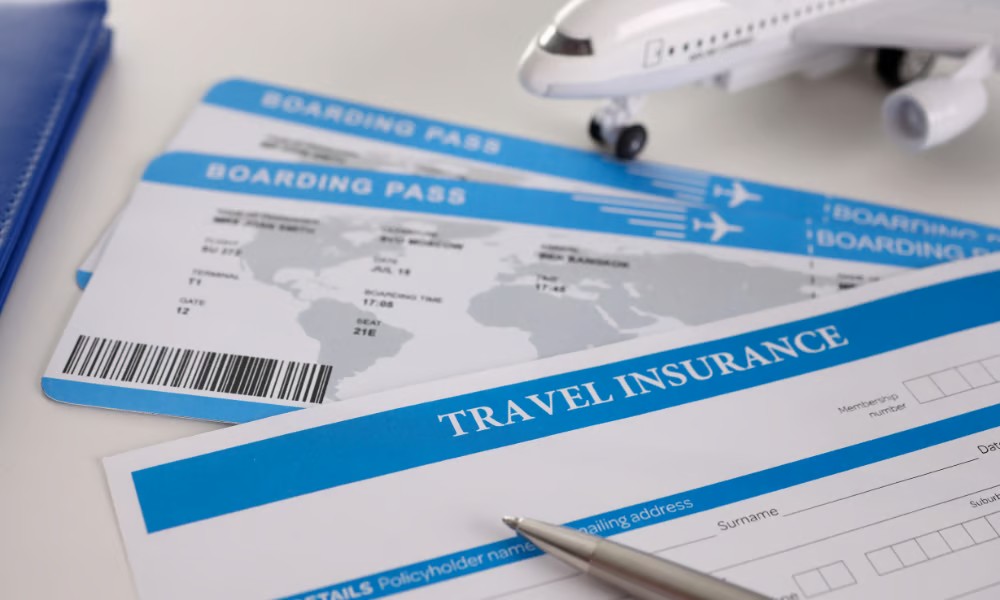
Brokers must remain vigilant regarding conflict exclusions, known events, and policy stipulations, even as advisory levels shift. Recent changes in travel advisories can complicate the landscape for travelers, prompting important considerations for those looking to secure travel insurance, particularly when traveling to regions with potential conflict.
Impact of New Zealand’s Travel Advisory Shift
The New Zealand Ministry of Foreign Affairs and Trade (MFAT) has downgraded its travel advisory for the United Arab Emirates (UAE) from level three to level two. While this change appears positive, it doesn’t eliminate existing coverage complications. Brokers need to understand that escalating or de-escalating advisories do not necessarily lead to a change in the overarching exclusions related to war and violence. Notably, major insurance providers in New Zealand have made it clear that their policies continue to have these exclusions, regardless of the advisory level.
For instance, Nib Travel Insurance specifies that its policies do not provide coverage for losses due to “hostilities or any act of war.” This stipulation stands firm irrespective of the travel advisory tier. Conversely, interruptions due to non-conflict-related issues—such as illness or theft—are still valid claims under standard terms.
Key Insights from Major Insurers
Allianz Travel NZ has declared that if a claim arises from failure to heed a government warning like “avoid non-essential travel,” coverage will not be available. Given the current advisory status, this specific clause may not apply to newly issued policies; however, the war exclusion continues to loom large and remains in effect.
Southern Cross Travel Insurance (SCTI) has indicated that its broad exclusion concerning war and military actions applies universally across all policies. This brings further nuance to the situation, as customers who secured coverage before the publicized conflicts may find themselves without support for certain disruptions that have become partially expected over time. The Insurance Council of New Zealand (ICNZ) reinforces this by underscoring that any events known at the time of policy purchase may not be covered.
The Importance of Policy Dates and Airline Responses
With the advisory levels in the UAE fluctuating repeatedly since June, the date of policy purchase becomes critical. For clients who obtained insurance during a level two advisory but were affected by a subsequent level three warning, their coverage would differ significantly from those acquiring new policies under the latest conditions. The nuances surrounding these changes require brokers to adeptly navigate clients’ specific circumstances to ensure they have appropriate coverage.
Moreover, while travel advisories have shifted, airlines have not adjusted their operational strategies accordingly. For example, Singapore Airlines and Cathay Pacific have canceled or postponed flights to Dubai until later in October. This further complicates travel schedules and necessitates discussions with insurance providers regarding potential travel disruptions or delays, particularly on routes transiting through nations that remain under a level three advisory.
Guidance for Brokers Moving Forward
In this fraught context, brokers must ask crucial questions before outlining suitable policies for clients traveling to the UAE: What is the purchase date concerning the insurer’s known events? Does the war exclusion affect the specific type of disruption faced? Is coverage applicable for any delays experienced in neighboring countries stated as level three? Additionally, has the client’s policy been verified for medical evacuation by air, as outlined in MFAT’s required advisories?
Brokers must recognize the fluid and volatile nature of the advisory landscape, which can change rapidly. Careful attention to these factors will ensure that clients have comprehensive travel protection tailored to their individual scenarios, even when faced with the complexities that arise from conflict-related exclusions in their policies.