
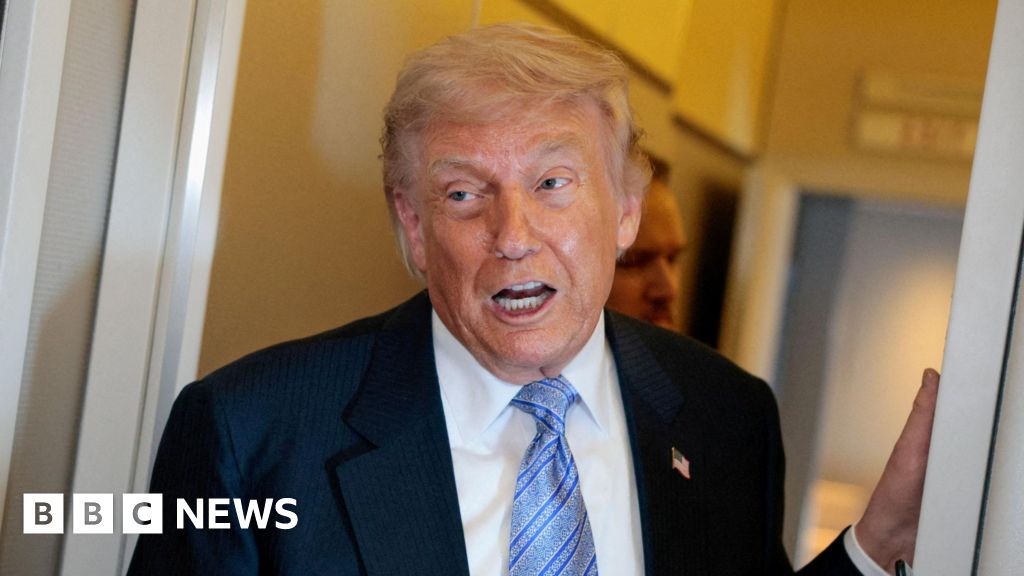
The geopolitical landscape is constantly shifting, and recent statements from the President of the United States have captured significant attention. On the eve of a planned military operation, the President announced that the attack, originally scheduled for Tuesday, has been postponed. This decision stems from ongoing negotiations deemed critical for peace and stability.
Impact of Negotiations on Military Actions
Negotiations can often alter the course of military events dramatically. In this case, the President’s choice to delay a planned attack suggests that diplomatic discussions are underway, potentially involving key international players. Such negotiations may aim to address concerns that could lead to a more peaceful resolution, thereby reducing the risk of escalation. The implications of this pause could resonate beyond the immediate situation, potentially affecting global markets and international relations.
The Role of Diplomacy in Conflict Resolution
History teaches us that diplomacy can be a powerful tool in resolving conflicts. By prioritizing talks over military action, the President demonstrates an approach that seeks alternatives to violence. This strategy not only offers the possibility of avoiding war but also reflects a commitment to finding a path that can foster cooperation between involved parties. Effective negotiation can lead to agreements that address underlying issues, fostering long-term stability rather than temporary solutions.
Potential Outcomes of the Diplomatic Engagement
The impact of negotiations, if successful, could lead to a myriad of positive outcomes. For one, de-escalating tensions may open doors to future collaborations between nations that were previously at odds. Additionally, successful diplomacy often strengthens a nation’s credibility on the global stage, showing that it is willing to seek peaceful resolutions. However, should talks falter, the risk of conflict could still persist, highlighting the importance of sustained diplomatic efforts.
Strategic Considerations Moving Forward
As the situation develops, strategic considerations will play a crucial role in shaping future actions. Should the negotiations yield constructive results, the administration may pivot towards a more cooperative stance in international diplomacy. Conversely, if progress remains elusive, the administration will need to reassess its military strategy and its implications for foreign policy. The current pause creates a window for dialogue but also places pressure on both sides to reach an agreement that aligns with their national interests.
In summary, the President’s decision to delay a military attack underscores the critical nature of negotiations in effectively managing international conflict. By opting for dialogue over aggression, there is potential for lasting peace and stability, though the outcome remains uncertain. Engaging in meaningful discussions could offer a clearer path forward, reducing the likelihood of future conflicts while emphasizing the importance of diplomacy on the world stage. The unfolding events will undoubtedly draw significant scrutiny, impacting both national and global dynamics.