
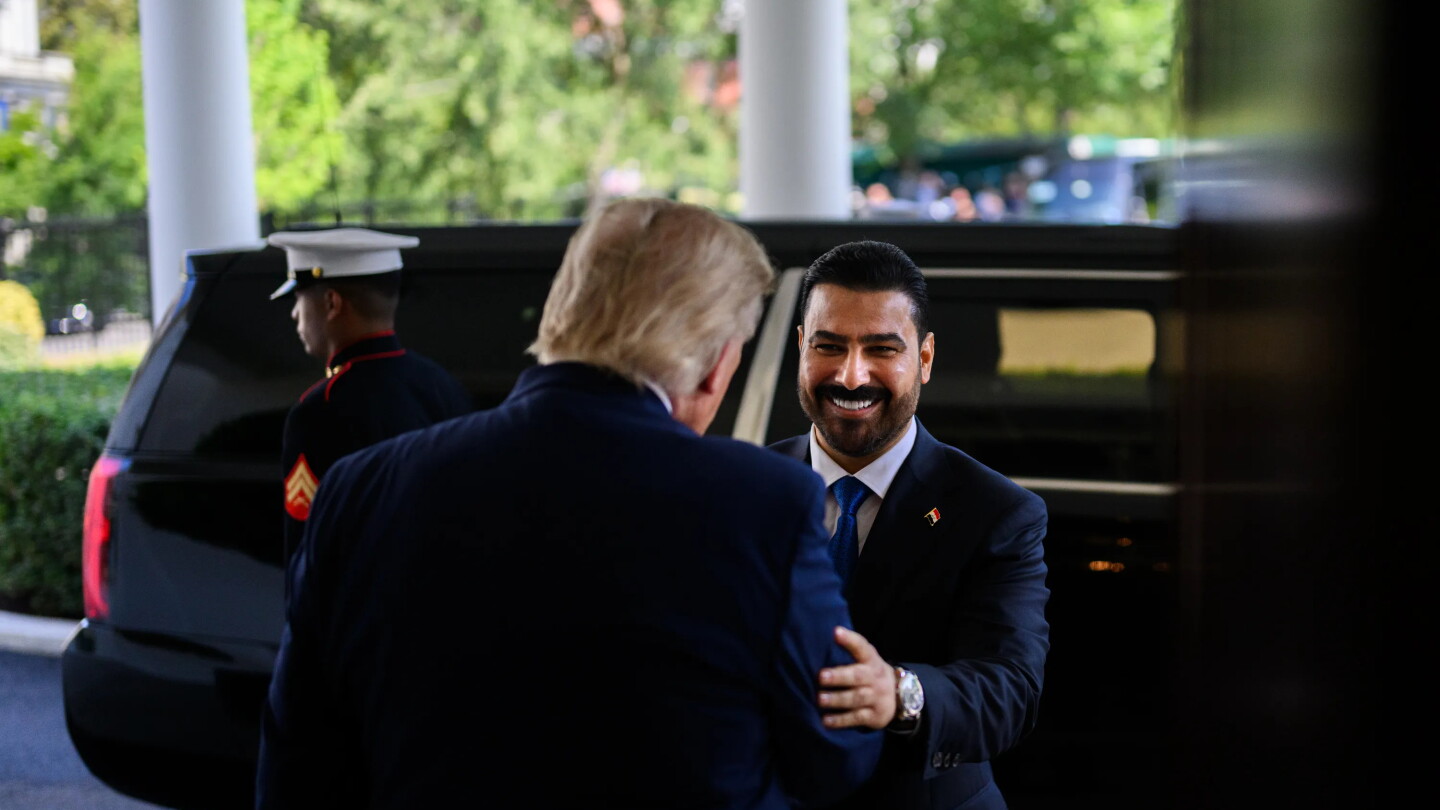
Iraqi Prime Minister Ali al-Zaidi is grappling with the complexities of state control over armed groups following his commitments made during a landmark meeting with President Donald Trump. Scheduled to implement significant changes by September 30, 2026, Zaidi’s promises will be tested against a backdrop of evolving Iranian influence in Iraq, particularly as Tehran establishes a covert operational network that diverges from the traditional militia model.
Challenges of State Control Over Armed Groups
During the July 14, 2026, meeting at the White House, Prime Minister Zaidi assured President Trump that his government would regain authority over weapons in Iraq, stating that armed groups operating outside of state control would no longer be tolerated. However, the situation proves more intricate than anticipated. Iran is reportedly creating a network that does not rely on its historically dominant militias, which have been a significant factor in the country’s influence in Iraq over the last decade.
Information emerging from various Iranian-affiliated commanders suggests that Colonel Hamed Abdollahi, known as Haj Hamed, is operating cells comprised of fighters from major militias. These groups reportedly act independently of their original leaders but maintain direct communication with him. This structure complicates the landscape for the Iraqi government, which seeks to rein in these armed factions.
Internal Conflicts and U.S. Sanctions
Abdollahi has been a longstanding figure linked to the Islamic Revolutionary Guard Corps (IRGC). The U.S. Treasury has identified him as a senior Qods Force officer since 2011, highlighting his involvement in high-profile incidents, such as planning the assassination of the Saudi Ambassador in Washington, D.C. Following the death of Qassem Soleimani, studies suggested that Haj Hamed has also been connected to smaller groups that have undergone training in Iran.
A notable U.S. strike in March 2026 targeted Abdollahi in Baghdad but reportedly failed to eliminate him. Iraqi sources have suggested that he curtailed public appearances following the strike, signaling a potential shift in operational strategies within Iran’s network of influence. The importance of this strike underscores the ongoing struggles against these clandestine operations nested within Iraq’s security framework.
Regional and Strategic Implications
Reports indicate that Iran has established several covert cells in southern Iraq specifically designed to conduct operations against Gulf neighbors, such as Saudi Arabia and Kuwait. These groups, comprising approximately ten fighters each, have been implicated in at least seven attacks between April and May 2026. The modus operandi of these cells, operating independently of local militia leadership, signifies a strategic pivot for the IRGC toward more decentralized operations.
Moreover, the recent attack on Saudi Arabia’s East-West oil pipeline has drawn attention to the evolving threats posed by these new operational frameworks. Following investigations confirmed that drone strikes had originated from Iraqi territory, the Iraqi government faced significant pressure to manage its security protocols, leading to the dismissal of certain officials and increased military vigilance.
Future Outlook for Iraqi Security
Amidst these developments, Prime Minister Zaidi faces the daunting task of transforming the current state of affairs in Iraq. Investigations, arrests, and border closures have yet to curtail the continuing Syrian and Iranian-backed attacks emanating from Iraq. Though Baghdad possesses intelligence regarding the factions involved, the pressing question remains whether Zaidi has the political will and capabilities to confront these complex networks.
As Zaidi prepares for his appearance at the United Nations General Assembly, the urgency of his task becomes evident. The stakes have risen considerably following repeated attacks and the emergence of elusive networks that threaten the fabric of Iraqi governance. His ability to present a feasible framework to counteract these changes will be crucial in maintaining credibility with international allies, particularly the United States, as he navigates this turbulent political landscape.