
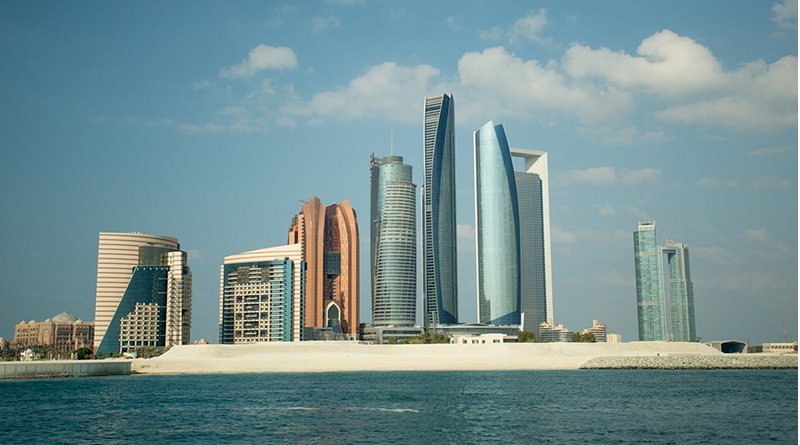
The United Arab Emirates (UAE) is a nation that exemplifies the concept of exerting considerable influence beyond its relatively modest size. With a population of approximately 1.3 million, the UAE leverages its vast oil wealth and sovereign wealth funds to position itself as a significant player on the global stage. The UAE’s unique strategy intertwines economic connectivity—marked by bustling trade hubs such as Dubai and Abu Dhabi—with robust military capabilities. This dynamic has facilitated its rise as both a center of trade and a strategic powerhouse in the region, but the ongoing geopolitical upheavals have posed new challenges.
Challenges Post-Iran War
The 2026 conflict involving the U.S. and Israel against Iran marked a pivotal moment for Emirati interests. Previously, UAE policymakers operated under the belief that their flourishing trade ties with Iran, supported by a U.S. security umbrella, would shield them from regional conflicts. Instead, the war exposed vulnerabilities as Iranian attacks targeted key Emirati infrastructure—airports, ports, and energy facilities—taking a heavy toll on the nation’s security premises. Notably, the Iranian strategy aimed not only to challenge the U.S. but also to stifle the growth of a neighboring nation prospering while it was engaged in warfare.
Alongside the challenges from Iran, a significant rupture between longtime allies Saudi Arabia and the UAE added complexity to their regional strategy. Diverging priorities, exemplified by Saudi Arabia’s Vision 2030 program, have led to a re-evaluation of their partnership, prompting each nation to carve out its path for influence. Even as Europe grapples with an unstable geopolitical landscape, it offers a potential avenue for the UAE’s search for predictability in trade and security while navigating a complex web of alliances.
UAE’s Connectivity Strategy
The UAE’s approach to connectivity represents a sophisticated blend of economic interdependence and strategic military positioning. By establishing itself as a vital regional hub—facilitating trade routes across Europe, Asia, and Africa—the UAE enhances its influence while ensuring that it becomes indispensable to other nations. This strategy saw it investing heavily in infrastructure and forging extensive partnerships worldwide, particularly in key regions like Africa, which serves multiple purposes, from resource acquisition to trade facilitation.
Yet, this interconnectedness faces scrutiny and risk as geopolitical tensions escalate. The international community, especially Europe, recognizes the importance of this connectivity not only for economic reasons but also for stability. As European countries seek to diversify energy supplies and secure trade routes, their reliance on a stable UAE becomes increasingly apparent. The challenges posed by the Iran war illustrate the delicate balance the UAE must maintain—a balance between offering global connectivity and safeguarding its own interests amid rising regional tensions.
European Engagements: A Strategic Opportunity
As the UAE solidifies its position in the global arena, Europe emerges as a critical partner in its quest for resilience. Collaborative frameworks—such as the EU-UAE Strategic Partnership Agreement—could prove fundamental in establishing a stable and predictable environment for trade, technology exchange, and defense cooperation. This partnership could promote shared agendas that prioritize stability in a post-war landscape while providing leverage against regional adversaries.
The UAE’s ambition to maximize its global connectivity ties back heavily into Europe’s interests, especially as the continent grapples with supply chain vulnerabilities. European nations can capitalize on the UAE’s strengths by engaging in cooperative security frameworks, utilizing their regulatory powers to forge sustainable economic relationships while demanding transparency in Emirati engagements. By fostering mutual interdependence, Europe can enhance its security and stability while amplifying the UAE’s influence on the global stage.
In summary, the UAE’s journey as a small yet influential player in international affairs highlights the intricate dance of connectivity, power, and resilience. As both the nation and its partnerships evolve, they navigate a complex landscape fraught with challenges and opportunities, indicating that the calls for a more robust connectivity strategy will only grow louder in the coming years.