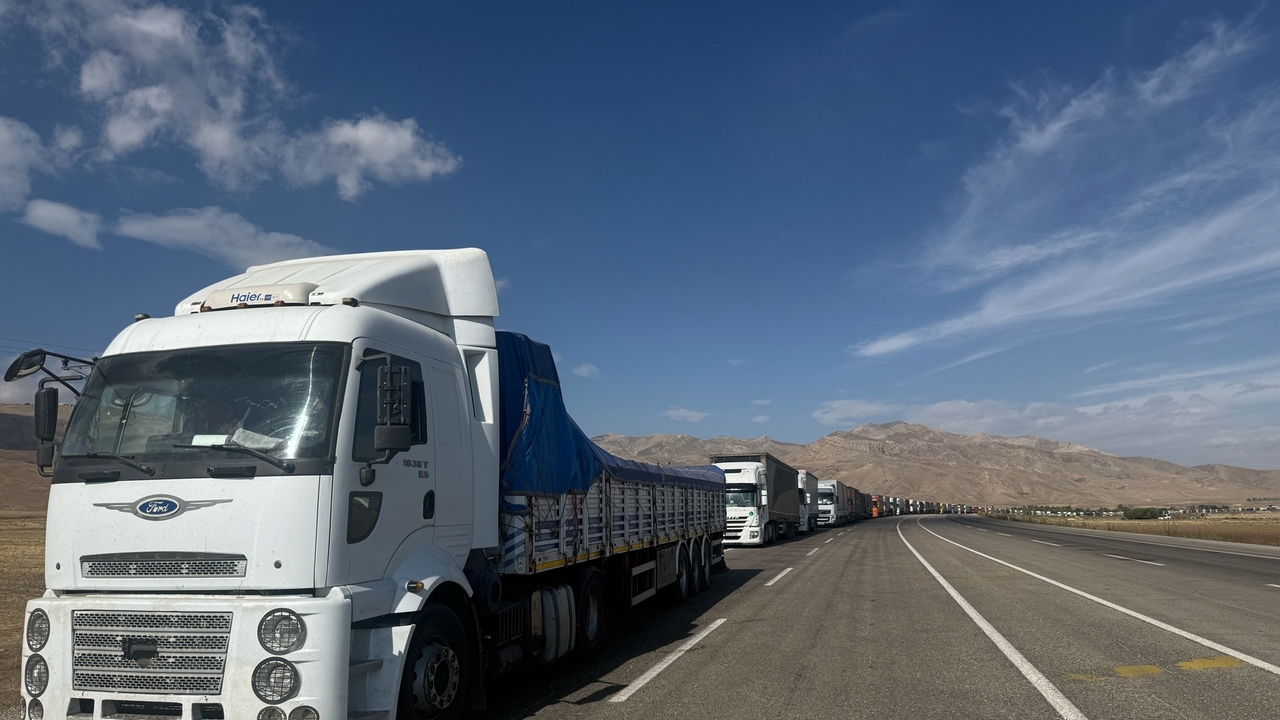
The Gurbulak border crossing between Turkey and Iran stands as a critical artery under heightened stress at a time when both nations face significant economic challenges. Hundreds of trucks linger along the mountainous route into Iran, waiting for the opportunity to unload goods vital to Iran’s economy, which is suffering under a U.S. blockade. The blockade not only restricts imports but also stifles oil and gas exports, leading the Iranian government to focus intensely on overland trade routes.
Challenges at the Gurbulak Crossing
Iranian President Masoud Pezeshkian has emphasized the urgency of revitalizing overland trade due to the severe limitations imposed by the blockade. With imports dwindling, many Iranian truck drivers find themselves in long lines, experiencing unprecedented wait times. One driver, who has navigated this crossing for 15 years, reported delays stretching to four days—a far cry from the previous maximum of three days. The ongoing war has exacerbated these issues, causing lines to extend for miles as thousands of trucks crowd the border.
The U.S. blockade has forced Iran into a test of resilience as the country accuses the United States of intentionally creating hardships. President Pezeshkian stated that the U.S. is restricting various routes and attempting to instigate internal discord within Iran. Despite the pressure, Iranian officials remain committed to negotiations, insisting that their position will not change under external pressure. Tehran insists on an end to the blockade before allowing commercial shipping to return unaffected through vital passages like the Strait of Hormuz.
Economic Implications of Land Trade Shifts
Before the onset of the conflict, Iran was heavily dependent on its Gulf ports for over 80% of trade, according to economist Mohammad Farzanegan. As the nation pivots to land-based options, crossings with Turkey and Pakistan are now paramount for maintaining trade links with Europe and Asia. However, these land routes are plagued by structural limitations, including logistical bottlenecks and increased wait times. Farzanegan emphasizes that overland trade cannot completely make up for the losses incurred due to maritime restrictions.
Recent data highlights that the waiting times at Turkey’s Gürbulak border have surged, with truck counts rising dramatically—from 200 to 1,200 at times—creating gridlock. Iranian trade officials attribute these delays partly to neighboring countries’ unwillingness to invest in necessary infrastructure upgrades due to uncertainties in the geopolitical landscape. However, some steps are being taken to improve the situation, including roadwork aimed at creating additional lanes to facilitate better traffic flow.
Protests and Economic Strain on Truckers
As conditions worsen, Iranian truckers have begun to voice their frustrations through various platforms. Many have reported that increasing costs for fuel, tires, and maintenance are alongside diminishing income due to extended wait times and reduced cargo loads. A truck driver lamented how prolonged waits have forced him to cut his monthly trips in half, directly impacting his earnings. Frustrations are compounded by reports of corruption, where some drivers can bypass the line through bribery, leaving others feeling disadvantaged.
Reports show that customs inspections have slowed down significantly on the Iranian side. Truck drivers have complained of lengthy inspections that can last anywhere from 12 to 25 days, significantly increasing their waiting period. While Iranian officials are working on strategies to expedite the border crossing process, improvements have yet to yield substantial relief for the struggling transport sector.
Collaborative Efforts for Improvement
Recognizing the urgency of the situation, Iranian officials are striving to enhance border efficiencies. Economic challenges have been severe, with significant contractions in Iran’s GDP following the U.S.-led sanctions. Collaborative efforts with Turkey and Pakistan are underway to improve customs procedures and facilities, including adjustments to customs personnel and extended operational hours at border crossings.
One promising development includes commitments from Turkish authorities to reduce waiting times by increasing lanes and scanning capacities. Additionally, plans to keep border crossings open 24/7 intend to maximize flows of goods and alleviate some pressures. Iranian officials, including Interior Minister Eskandar Momeni, have expressed optimism in the potential to bolster trade relations through these initiatives, although tangible results will take time amid ongoing geopolitical tensions.