
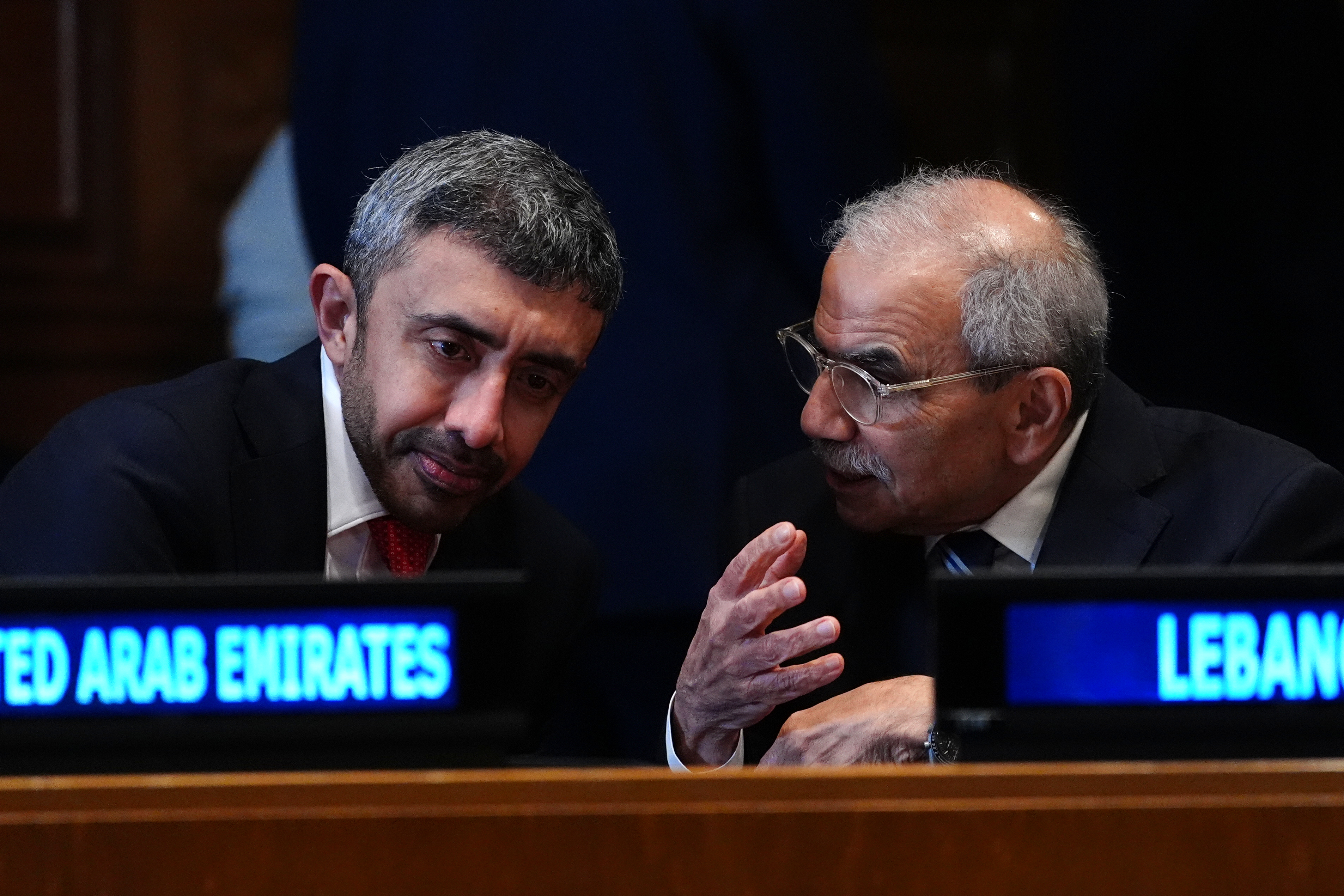
In light of recent tensions in the region, Lebanon’s Prime Minister, Najib Salam, has urgently advocated for an international presence in the southern part of the country following the reduction of the United Nations Interim Force in Lebanon (UNIFIL). This call for action aims to address security concerns and bolster regional stability amid a complex geopolitical landscape.
Lebanon’s Security Challenges
Lebanon has faced an array of security challenges that threaten its stability. Since the end of the 2006 war with Israel, the southern regions have been particularly volatile, often becoming a flashpoint for conflict. The presence of UNIFIL has been crucial in maintaining some level of calm, but changes to its operational framework have raised alarm bells. Prime Minister Salam’s request for an enhanced international presence highlights the urgency of addressing both local and external pressures that impact Lebanon’s safety and sovereignty.
The withdrawal or downsizing of UNIFIL has resulted in concerns that militant groups might exploit any vacuum created in the region. Lebanon’s army, while invested in maintaining order, often finds itself attempting to manage a complex landscape marked by sectarian tensions and external influences. Salam’s appeal emphasizes the need for a collective international effort to ensure peace and security in an area historically fraught with conflict.
The Role of International Community
The international community has a pivotal role in facilitating stability in Lebanon. Prime Minister Salam seeks to galvanize support from global powers to reinforce peacekeeping efforts in the south. Increased international presence could act as a deterrent against potential aggressions from militant factions and neighboring nations.
Furthermore, a reinforced international presence would also restore confidence among the Lebanese citizens who have endured years of instability. It would send a clear message that the global community is invested in Lebanon’s future and is committed to ensuring that its sovereignty is respected. This, in turn, could help alleviate some of the fears surrounding security and create an environment conducive to political dialogue and economic development.
Implications for Regional Stability
The implications of increased international involvement in southern Lebanon extend beyond its borders. A stable Lebanon has the potential to positively influence neighboring nations, particularly those grappling with similar issues of governance and security. Effective peacekeeping operations could serve as a model for conflict resolution in the region, fostering stronger ties between Lebanon and its neighbors.
Moreover, as tensions between various factions and foreign entities persist in the Middle East, Lebanon’s stability remains a crucial element in the overall equation. Enhancing international support could mitigate risks that may arise from regional rivalries and contribute to a broader peace initiative.
The Path Forward
As Lebanon navigates these tumultuous waters, Prime Minister Salam’s call for increased international presence in the south serves as a critical juncture. The path forward requires solidarity among local and international actors committed to maintaining peace and upholding human rights. Increased collaboration can pave the way for a more stable Lebanon, allowing its citizens to aspire to a more prosperous and peaceful future.
In summary, the urgency of Salam’s appeal cannot be overstated. The international community must act swiftly to address the pressing security concerns in southern Lebanon. This collaboration not only serves the interests of Lebanon but also contributes to the broader objective of regional peace and stability.