
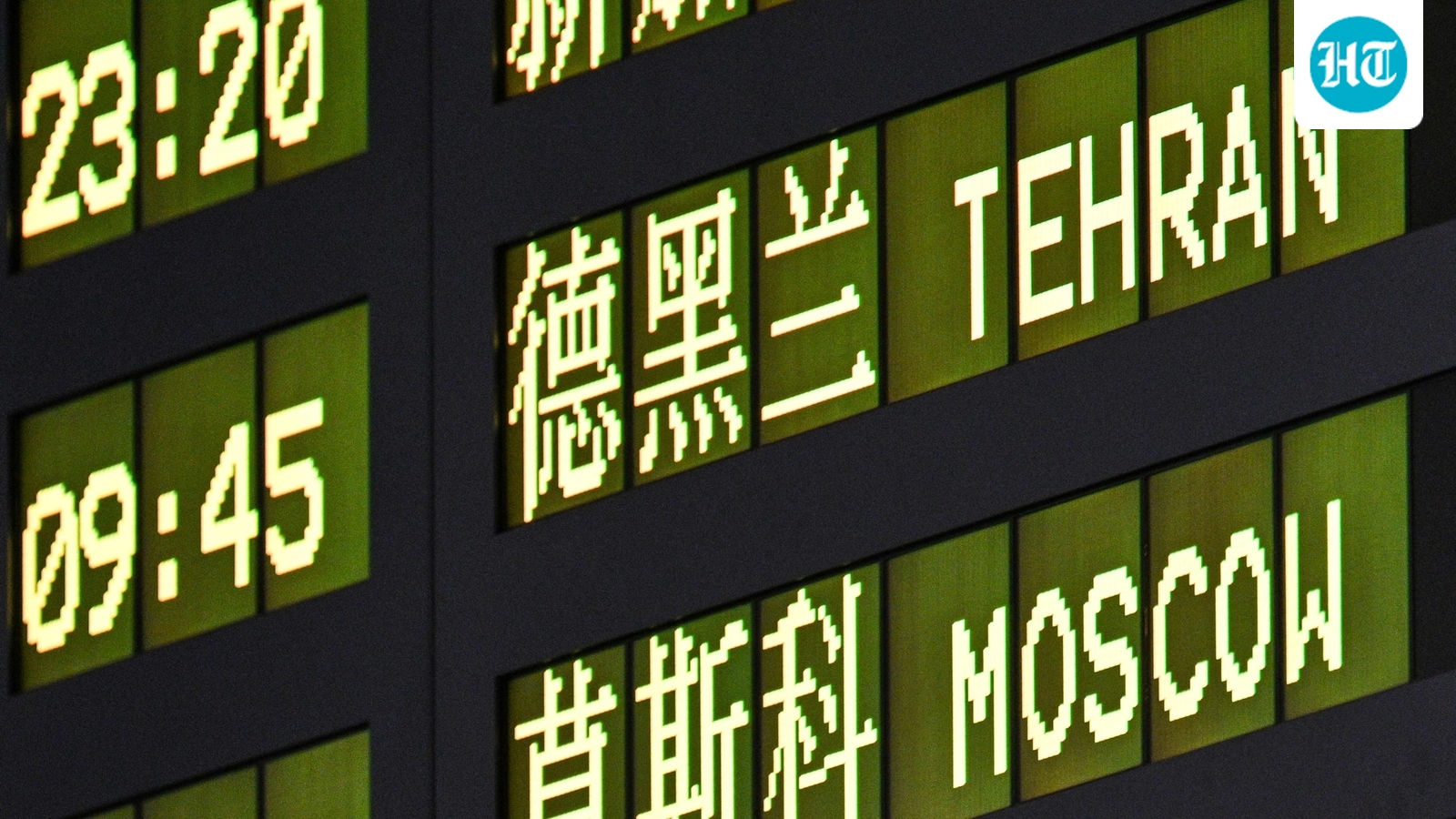
The recent suspension of flights operated by Iranian airlines by the United Arab Emirates underscores growing tensions rooted in U.S. sanctions. As the geopolitical landscape continues to change, this decision affects many travelers and serves as a stark reminder of the ongoing economic and diplomatic strain involving Iran.
Cancellation of Iranian Flights by the UAE
The UAE has officially halted all flights operated by Iranian airlines, effective immediately. This information was confirmed by Iran’s ISNA news agency. Consequently, several flights, including an Iran Airtour service from Tehran to Dubai, were reportedly canceled moments before takeoff, leaving passengers stranded and frustrated. This drastic move is a direct response to intensified sanctions imposed by the United States, signaling the UAE’s commitment to adhere to these regulations.
The sanctions have intensified in recent weeks, with U.S. Treasury Secretary Scott Bessent unveiling new strategies aimed at crippling Iran’s economy. These measures are part of a broader initiative dubbed “Operation Economic Outcast,” which is designed to maximize the financial pressure on the Iranian government. Just days ago, the Trump administration identified 27 airlines for sanctions, impacting those that had previously escaped the scrutiny. This action also extends beyond airlines; individuals and entities involved in aviation support from various countries, including Turkey, China, and the UAE, are also facing repercussions.
Impact on Regional Flights
Following the UAE’s suspension, multiple international routes have also been disrupted, with Iranian airlines ceasing operations to destinations such as Azerbaijan and Qatar. Local travel agents have reported that both Baghdad and Muscat will no longer accept flights from Iran, hampering travel options for many passengers. The uncertainty has forced some agents to stop selling tickets entirely, amid fears of further cancellations and schedule changes.
The ongoing geopolitical turmoil has resulted in a ripple effect across the aviation sector, as not only have flights been scrapped, but airlines are also reassessing their path forward in this volatile climate. A travel agent in Tehran expressed concerns about the instability in flight schedules, leading to apprehension among travelers.
Continuing Operations Despite Sanctions
Even amid these challenges, some Iranian airlines persist in operating international flights. Reports indicate that despite the sanctions, flights to various destinations, including Thailand, China, and Afghanistan, are still taking place. Data from flight tracking websites reveals that numerous flights have successfully departed from Iran, headed to cities like Bangkok and Shanghai.
Tehran’s Imam Khomeini Airport remains a hub for international travel, offering services to multiple countries such as Turkey, Iraq, and further afield. This resilience of Iranian carriers highlights a complex interplay between local operations and international restrictions, as airlines navigate their obligations under U.S. sanctions while still seeking to maintain service to key destinations.
In summary, the suspension of Iranian flights by the UAE is a significant development in the ongoing tension between Iran and the United States. This situation not only complicates travel for many, but also reveals the broader implications of international sanctions and geopolitical strategy. As the landscape continues to evolve, both travelers and airlines must remain vigilant and adaptable to the shifting regulations and operational capacities.