
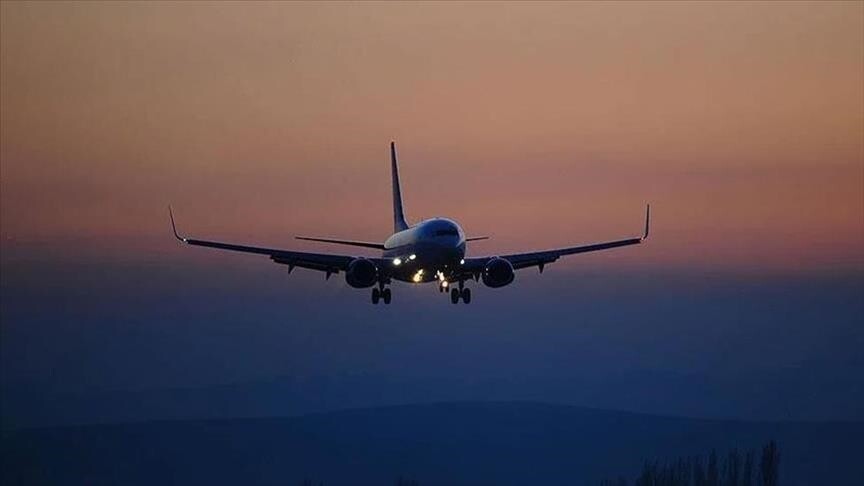
Recent developments in air travel between Iran and the United Arab Emirates have led to significant disruptions. According to the Iranian Students News Agency (ISNA), all flights operated by Iranian airlines to the UAE have been suspended since midnight. This sudden cancellation has raised questions among travelers and industry observers about the reasons behind this decision and its implications.
Flight Cancellations Impacting Travelers
The suspension of all Iranian airline flights to the UAE presents a considerable hurdle for passengers intending to travel between these two nations. Travelers may be left scrambling for alternatives, needing to alter their plans on short notice. Understandably, this cancellation has evoked frustration and concern, as individuals and businesses heavily rely on air travel for connectivity and commerce.
Reason Behind the Flight Disruption
An official spokesperson from Iran’s Civil Aviation Organization clarified that the impediment was linked to a specific incident affecting a flight from Tehran to Dushanbe. This flight had to return to Imam Khomeini International Airport after Turkmenistan refused entry for Iranian airlines to its airspace. This unexpected turn of events demonstrated how fragile international aviation agreements can be, with one country’s airspace decisions directly impacting travel routes.
The Broader Implications
The cancellation of flights and the inability of airlines to utilize certain airspace can have cascading effects on tourism and trade between Iran and the UAE. The UAE has been a key destination for Iranian travelers, whether for business purposes, leisure, or family visits. The breakdown of these flight routes could lead to longer-term economic repercussions. Travelers may seek alternatives, including different airlines or even indirect routes, which can increase travel times and costs.
Future Considerations and Alternatives
As the situation unfolds, passengers affected by these cancellations must stay informed about any changes. It is vital for travelers to explore other potential routes or consider alternative modes of transportation. Monitoring updates from airlines and aviation authorities will help minimize disruption to travel plans. In the long term, discussions between Iranian and regional aviation authorities may be necessary to resolve these airspace issues and reinstate regular flight schedules.
Understandably, this situation has created uncertainty. Travelers are encouraged to stay connected with airlines and consult travel advisors to explore the best options available during this period of disruption.