
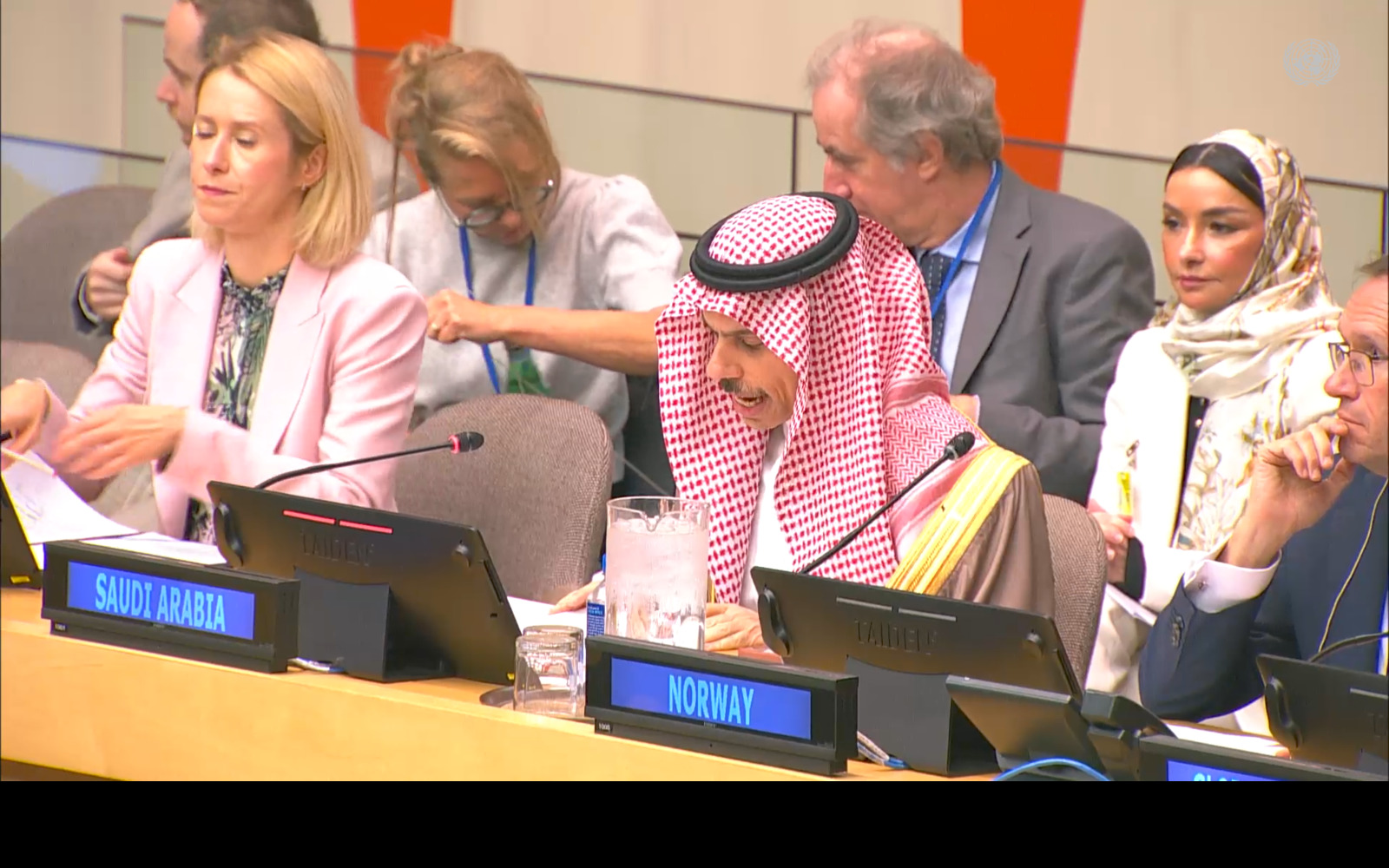
In recent discussions surrounding the ongoing Israeli-Palestinian conflict, Saudi Arabia has raised a crucial question about the persistent instability in the region. Emphasizing the need for dialogue and a resolution, Saudi Foreign Minister Prince Faisal bin Farhan made statements urging for renewed efforts towards a two-state solution. This article delves into the implications of this response, the current state of negotiations, and the broader impact on regional peace.
The Need for a Two-State Solution
The concept of a two-state solution remains central to resolving the Israeli-Palestinian dispute. This approach envisions an independent Palestinian state existing alongside Israel, a plan that has been endorsed by various international stakeholders over the years. The Saudi Foreign Minister’s remarks highlight the urgency of revitalizing talks that have stagnated, emphasizing a collective responsibility to foster peace. As a nation with considerable influence in the Arab world, Saudi Arabia’s push for this resolution could serve to galvanize international support and participation in diplomatic efforts.
Current State of Negotiations
Presently, the prospect of a viable peace agreement appears distant, with both parties entrenched in their positions. Years of conflict, unsolved grievances, and mutual distrust have created significant roadblocks. The Israeli government’s approach, along with the lack of a cohesive Palestinian leadership, poses challenges in finding common ground. Saudi Arabia’s call for resolution thus not only identifies a critical need but also provides a platform for renewed diplomatic engagement amid escalating tensions. An active Saudi role in facilitating these discussions could potentially bridge gaps and promote meaningful dialogue.
The Role of Regional Partnerships
Collaboration among regional powers is essential in addressing the Israeli-Palestinian issue. Saudi Arabia, as a leader in the Gulf region, can play a pivotal role in uniting Arab nations towards a common goal. By leveraging its influence, the Kingdom can encourage other nations to engage constructively, bringing additional pressure to bear on both sides to come back to the negotiation table. Moreover, fostering alliances with nations outside the region can lead to broader discussions, enhancing prospects for lasting peace.
Conclusion: A Call to Action
Prince Faisal bin Farhan’s poignant query serves as a poignant reminder of the pressing need for resolution in a region long wrought with conflict. As Saudi Arabia advocates for a two-state solution, it brings to light the collective responsibility of regional and global leaders to engage actively in peace efforts. By addressing the various dimensions of this complex issue, including historical grievances and mutual recognition, there lies a chance to finally establish stability and harmony in the region. The time for action is now; the world watches as diplomatic efforts unfold, hoping for a brighter future for both Israelis and Palestinians.