
In September, significant sanctions have been imposed on Iran’s aviation sector by the United States, impacting flights operated by Iranian airlines. This has led to a ripple effect throughout the region, particularly affecting travel to the United Arab Emirates (UAE).
UAE Suspension of Iranian Flights
Reports from Iranian media confirm that the UAE has halted all flights operated by Iranian carriers due to these US sanctions. According to the ISNA news agency, all operations of Iranian airlines to the UAE have been cancelled as of midnight. As a result, flights, including an Iran Airtour service from Tehran to Dubai, were cancelled shortly before departure, leaving many travelers frustrated.
Dubai is a vital hub for Iranian airlines, providing numerous daily flights and serving as a primary gateway for travelers looking to connect to Europe, Asia, and Africa. This sudden suspension disrupts not only individual trips but also business operations, as many Iranian nationals frequently travel to Dubai for commercial purposes.
Impact of US Sanctions on Aviation
The sanctions executed by the US in early September are aimed at imposing strict measures on companies that continue to work with Iranian aviation. These sanctions come with an ultimatum: companies must cease providing services to Iranian airlines or face potential exclusion from the dollar-based financial system. This ultimatum set off a chain reaction, with neighboring countries implementing restrictive measures on their airspace, further isolating Iran’s aviation industry.
As of Wednesday, several primary Iranian airlines found themselves forced into cancelling international routes due to increasing adherence to these sanctions. Turkmenistan has also joined the restrictive measures, preventing Iranian flights from crossing its airspace. A recent situation involved a Tehran-Dushanbe flight that had to return to Imam Khomeini Airport after being denied entry into Turkmen airspace.
Some Flights Continue Despite Restrictions
Despite the severe constraints placed on major airlines, there are still smaller Iranian carriers managing to fly to select destinations abroad. Notably, flights to China remain operational, highlighting a geopolitical strategy in which China appears resistant to US pressure. Additionally, some routes to Armenia are also still available for Iranian travelers.
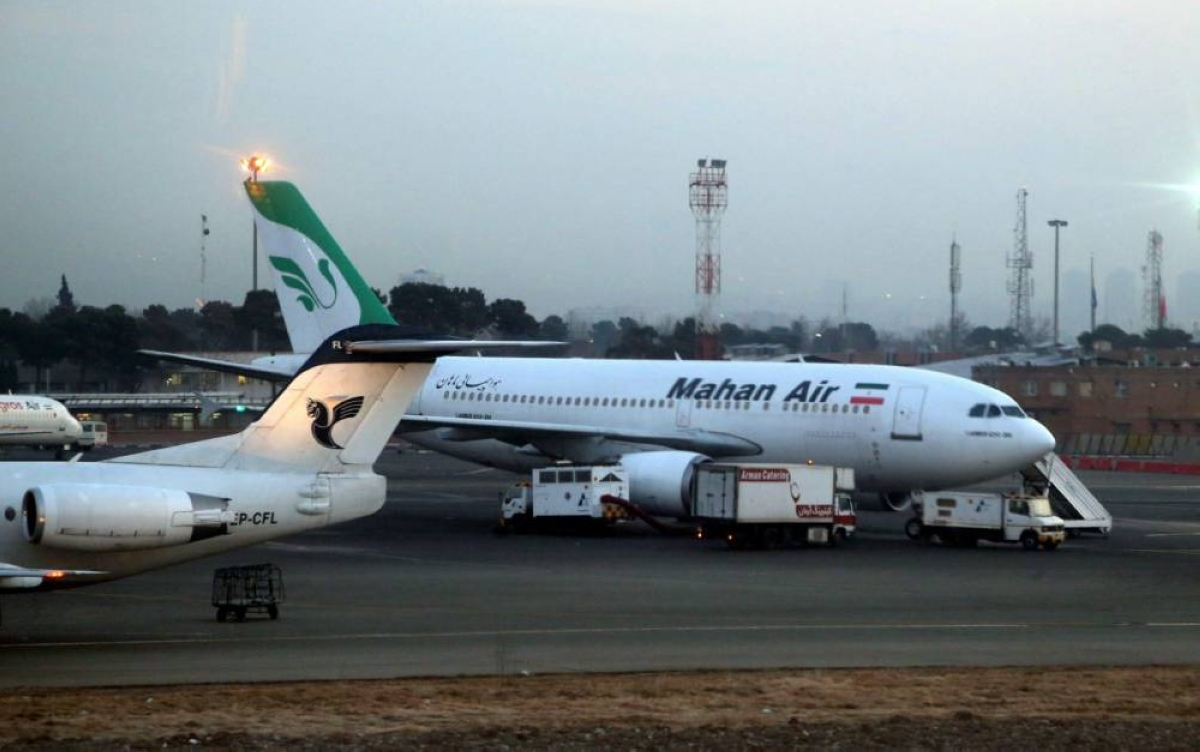
Iran operates nearly 30 airlines, most of which focus on domestic routes. Among these, Iran Air serves as the national airline, with Mahan Air, a private carrier, being the largest for international travel. However, the ongoing sanctions and international restrictions create an uncertain future for these airlines, as they navigate a complex geopolitical landscape.
In conclusion, the recent US sanctions and the resulting flight suspensions have created significant hurdles for the Iranian aviation sector, limiting international travel and impacting connectivity to crucial global destinations. It remains crucial for Iranian airlines to explore alternative routes and partnerships to mitigate the consequences of these sanctions and adapt to an increasingly restrictive environment.