
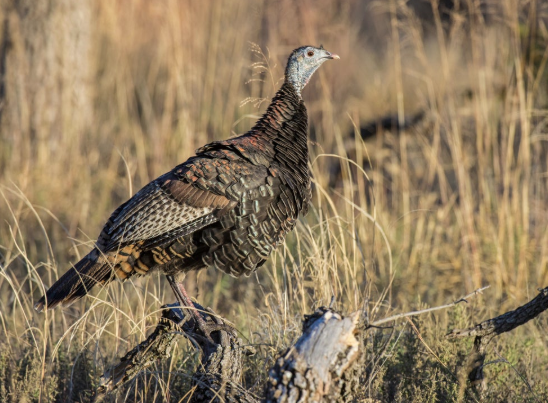
Understanding the dynamics of wild turkey populations is crucial for effective wildlife management in Oklahoma. A dedicated team from Oklahoma State University (OSU) has been meticulously researching these avian inhabitants to provide insights into their behavior, population stability, and movement patterns across various terrains.
The Research Initiative in Roger Mills County
Partnering with the Oklahoma Department of Wildlife Conservation, the research team has embarked on a four-year study focused on Roger Mills County, particularly around the Black Kettle Wildlife Management Area. This area is a favored spot for turkey hunters not only from Oklahoma but also from neighboring states. The study commenced in December 2025, prompted by escalating concerns regarding potential declines in turkey populations and the scarcity of data pertaining to their winter flocks and spring harvest.
To determine the size and health of the local turkey population, researchers are utilizing advanced techniques such as GPS tracking, camera surveillance, and sound recording. This multifaceted approach aims to uncover how stable the wild turkey population is, along with the factors influencing their movement between public and private lands, their roosting habits, and the impact of hunting on population sustainability over time.
Monitoring and Data Collection
Colter Chitwood, an associate professor in the Department of Natural Resource Ecology and Management and the study’s principal investigator, emphasizes the importance of accurate population estimates. Despite extensive knowledge about wild turkey ecology, the team recognized a significant gap in knowing the actual number of turkeys in the area. To bridge this gap, they successfully captured and banded 171 wild turkeys during the initial capture season, equipping 90 of these birds with GPS transmitters. These devices function similarly to backpacks, allowing researchers to monitor the birds’ movements and resting locations.
In addition to GPS data, trail cameras have been strategically positioned to capture images of turkeys at various locations, while autonomous recording units document their calls. Collectively, these data sources are invaluable for estimating the local turkey population and enhancing the understanding of their interactions with the landscape.
Collaborative Efforts and Future Goals
The research incorporates the expertise of wildlife ecology specialists, including research assistant professor Anna Moeller, who focuses on estimating wildlife populations and changes over time. Graduate students such as Mitchell Nagel and Lydia Laughlin contribute by researching harvest patterns and habitat utilization, maintaining communication with landowners, and overseeing the operation of tracking equipment.
As of early June, the team had processed an impressive 1.6 million images from trail cameras and collected over 75,000 hours of audio recordings. The initial field season concluded in June, with plans for additional captures in the winter and continued data collection over the next two years.
Implications for Wild Turkey Management
While preliminary findings are still emerging, researchers acknowledge that there’s much work ahead. Currently, only a handful of turkeys were harvested on private land during the spring, a statistic too early to interpret meaningfully. However, the comprehensive data gathered over four years is expected to illuminate connections between winter flock sizes, movement, roosting activities, and harvesting effects.
Ultimately, the Oklahoma Department of Wildlife Conservation plans to leverage these findings to inform habitat management and harvest strategies on public lands. Furthermore, this research holds the potential for extending benefits to other states managing wild turkey populations in similar environments.
Chitwood expresses confidence that the research outcomes will significantly influence future wild turkey management strategies in Oklahoma. The collaboration between OSU and the Department of Wildlife Conservation is poised to deliver actionable insights that ultimately enhance the state’s diverse wildlife resources and ensure sustainable hunting practices for the enjoyment of Oklahomans.