
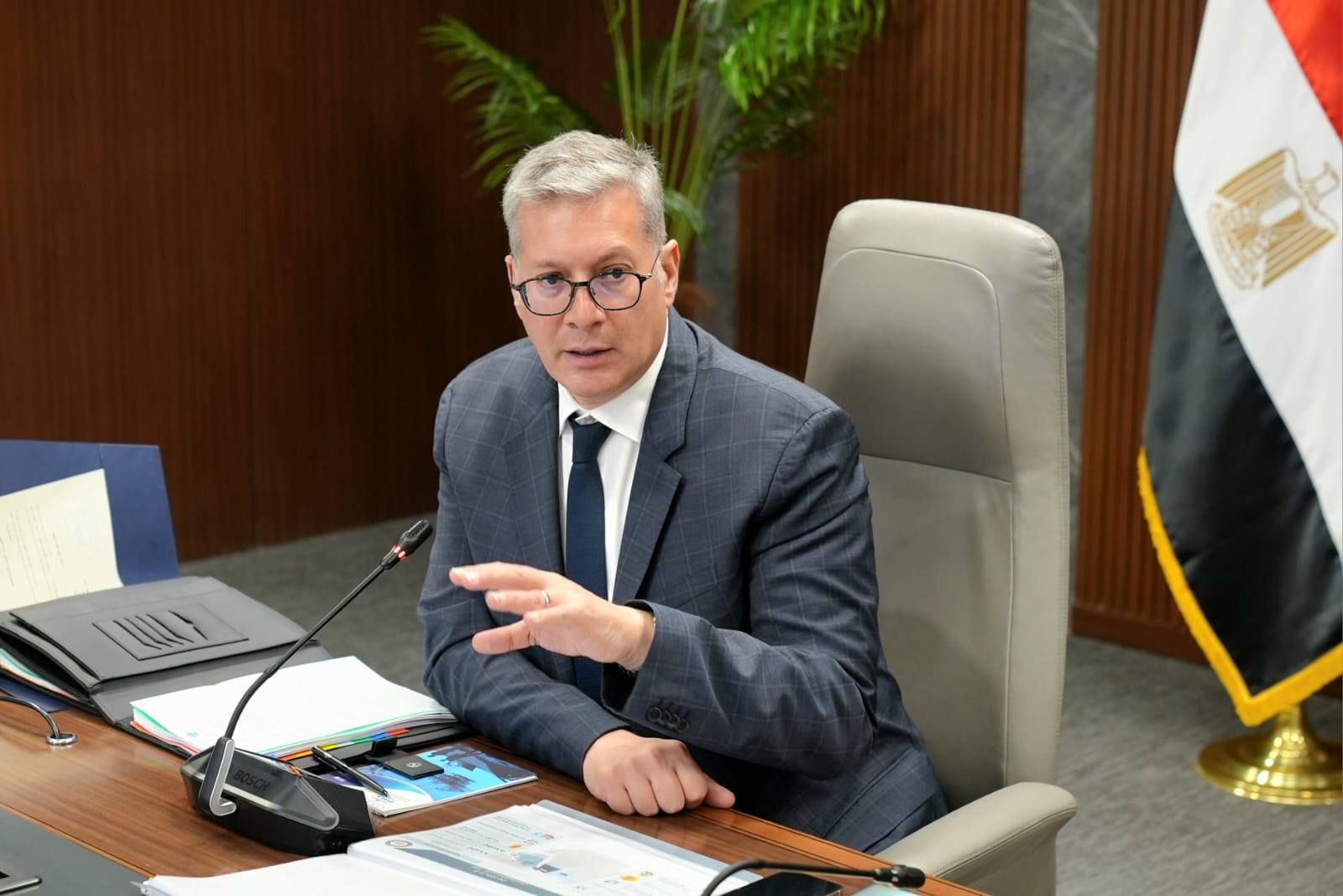
Ensuring a stable energy supply for Egypt’s population of 120 million is the foremost goal of the Ministry of Petroleum and Mineral Resources (MoPMR). During a recent press briefing, Minister Karim Badawi emphasized the growth potential in Egypt’s energy sector as the government intensifies its exploration, drilling, and production efforts in collaboration with both local and international companies.
Advancements in Energy Management
Badawi credited meticulous government planning for ensuring a continuous power supply in the summers of 2025 and 2026, effectively avoiding any load-shedding incidents. He highlighted that increasing the share of renewable energy in the national grid is vital for reducing reliance on natural gas for electricity generation. This strategic shift will not only alleviate domestic gas use but also channel more gas towards higher-value industries, ultimately enhancing Egypt’s export capabilities in the long term.
Reviving Oil and Gas Production
The decline in oil and gas production in recent years has been a notable concern, with Badawi linking this downturn to diminished foreign direct investment in exploration and field development. Restoring international partners’ confidence has become a pivotal focus to reverse this trend, supported by settling $6.1 billion in outstanding dues owed to foreign operators. This financial stabilization has revitalized upstream activities, leading to significant discoveries, such as the West Denis-1 well in the Mediterranean’s Temsah concession. Operated by Eni, this well is projected to hold approximately 2 trillion cubic feet of natural gas and 130 million barrels of condensates.
Boosting Refining Capacity
Refinery utilization rates have exceeded 80% in 2026, thanks to enhancements in operational efficiency across Egypt’s refining facilities. Minister Badawi pointed out that increased domestic output from refineries is not only fulfilling local demand but also decreasing the country’s dependence on imported petroleum products. Badawi shared insights on Egypt’s annual fuel consumption, revealing figures of around 11.84 billion liters of gasoline, 17.77 billion liters of diesel, and 287.5 million LPG cylinders, emphasizing the scale of domestic energy needs.
Unlocking Mineral Potential
Beyond hydrocarbons, Badawi discussed reforms aimed at tapping into Egypt’s rich mineral resources. One significant initiative is the establishment of the Egyptian Mineral Resources and Mining Industry Authority (MRMIA). The ministry is actively introducing financial incentives to attract investments in the mining sector, including 30-year tax and customs exemptions under mining exploitation agreements. Additionally, Badawi highlighted an upcoming airborne seismic survey targeting six zones across the Eastern and Western deserts, Sinai, and the New Valley, set to further enhance exploration efforts.
In conclusion, Badawi invited media representatives to attend the forthcoming Egypt Mining Forum, where the official outcomes of the investment rounds conducted in June will be announced. The event promises to shed light on the government’s ongoing commitment to advancing Egypt’s energy and mineral sectors, showcasing the steps being taken to ensure a robust and sustainable energy future for the nation.