
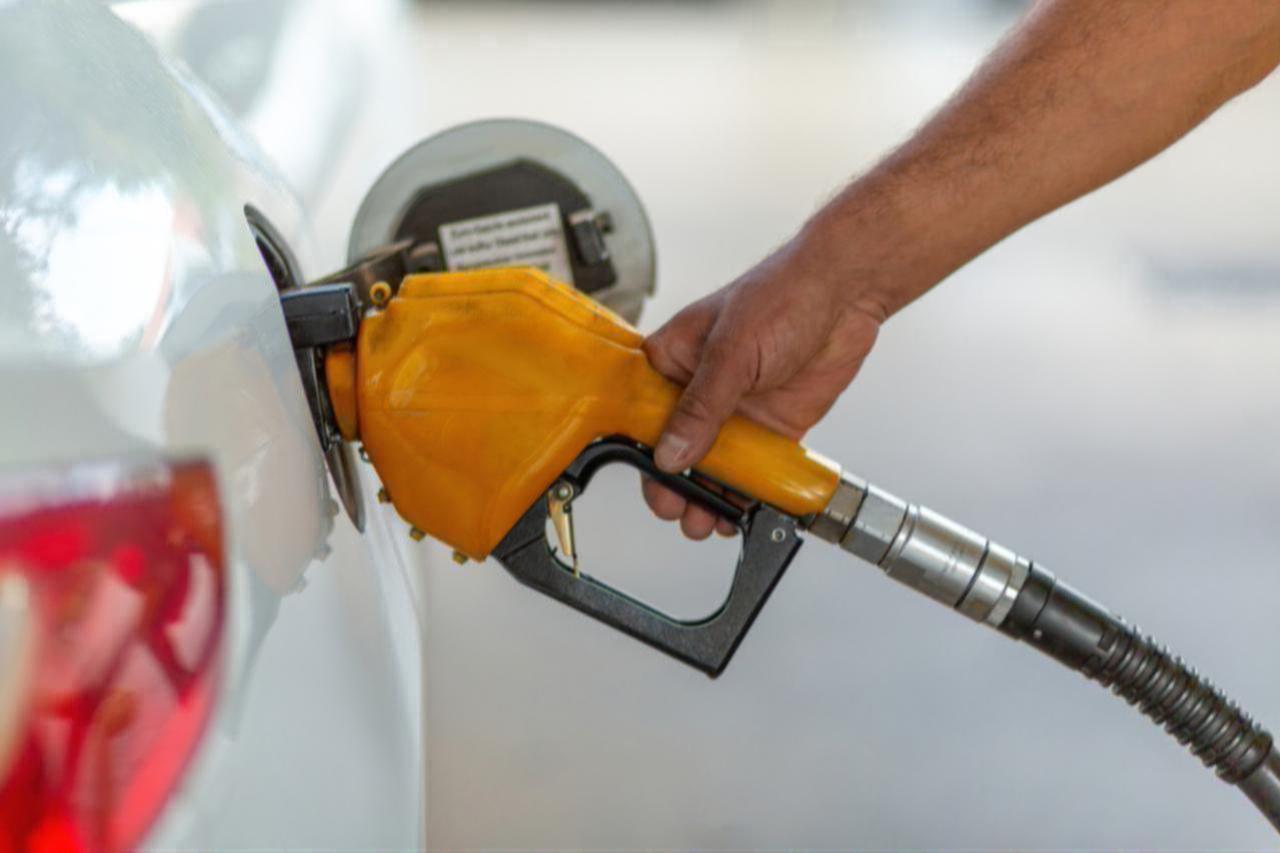
Türkiye is bracing for an unprecedented surge in gasoline prices, effective October 1. This anticipated increase marks the largest single jump in fuel costs in the nation’s history, driven by the imminent removal of the government’s fuel-tax buffer, which has been a protective measure for consumers.
Significant Tax Increases Ahead
Currently, the special consumption tax (SCT) on gasoline stands at ₺4.43 per liter, set to soar to ₺14.83, translating to an increase of ₺10.40. Additionally, an uptick in the value-added tax (KDV) will account for another ₺2.08, pushing the total hike to approximately ₺12.48, or roughly $0.25 per liter. As of September 25, gasoline prices on Istanbul’s European side hover around ₺80.40 per liter. If there are no corrections or adjustments prior to the implementation of this change, prices are projected to exceed ₺90 per liter by October 1.
The Phased Removal of the Fuel Tax Buffer
The government had reintroduced a sliding-scale fuel tax system in March after temporarily suspending it in February 2022. This system was designed to shield consumers from volatile fuel price fluctuations during global crises, including the U.S.-Iran conflict. Under this mechanism, shifts in international oil prices and exchange rates were mitigated through adjustments in the SCT applied to fuel. Sharp increases in refinery prices often meant a 75% reduction in the SCT, thus limiting consumer impacts at the gas pump. However, a decline in prices would see a corresponding increase in the SCT to allow the government to recoup lost revenues.
Turkey’s Treasury and Finance Minister, Mehmet Simsek, disclosed in May that implementing the fuel tax buffer had already cost the government ₺90 billion in its initial months and projected that total expenses could reach around ₺600 billion ($12.3 billion) by year’s end if trends persisted. The phased elimination of this support began on July 3, progressively diminishing the extent to which refinery-price increases were offset through SCT cuts.
Potential for Future Adjustments
Although no new fuel-tax policy has yet been announced, industry insiders suggest that the government might consider a phased approach similar to the recent diesel adjustments. In August, authorities abandoned the tax buffer for diesel, implementing temporary measures to remove the SCT from pump prices, with intentions for gradual reinstatements throughout the remainder of the year. This rising pressure encompasses various increments of ₺3 each month, reaching a total increase of ₺12 by December.
Recent treasury reports indicate that SCT revenues from petroleum products fell nearly 60% between March and August compared to the previous year, marking a ₺148.6 billion ($3 billion) shortfall. Despite the temporary tax relief, gasoline prices in Türkiye have risen over 40% since the onset of the war on February 28, while diesel prices have surged by 54.9%. Currently, gasoline prices are influenced by numerous factors such as international refining costs, margins, the exchange rate of the Turkish lira to the dollar, and a host of applicable taxes and expenses.
As Türkiye prepares for this historic price hike, consumers may need to brace themselves for the potential economic ripple effects of escalating fuel costs. The removal of the fuel tax buffer not only signifies an adjustment in government policy but also reflects broader trends in the global fuel market that could have lasting implications for the Turkish economy.