
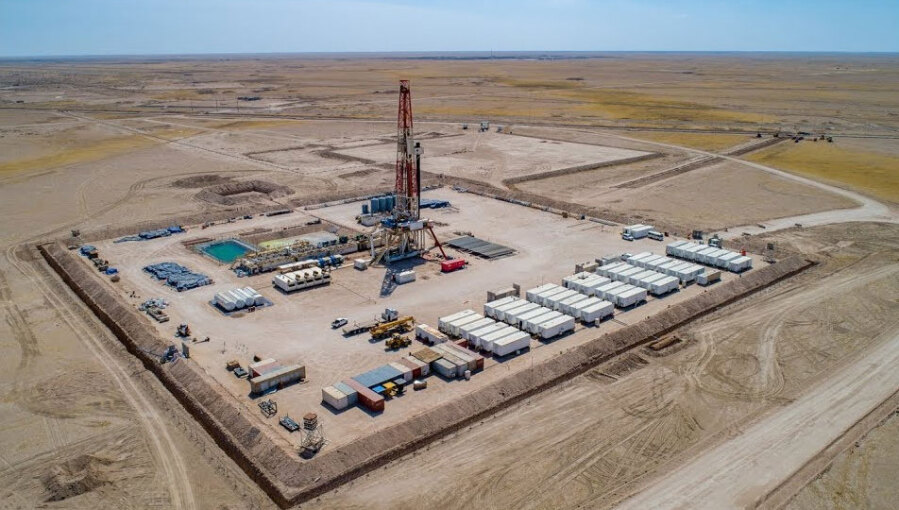
The economic outlook for the southern and eastern Mediterranean regions is set for a challenging period, with projections indicating a contraction of 0.7% in 2026. This downturn is primarily attributed to a significant decline in Iraq’s oil exports, as highlighted by the European Bank for Reconstruction and Development (EBRD). Understanding the implications of these trends is crucial for policymakers and businesses in the region.
Impact of Declining Oil Exports
Iraq has long relied on oil exports as a cornerstone of its economy, generating a substantial portion of its revenue. The anticipated slump in these exports is expected to have a ripple effect across the southern and eastern Mediterranean economies. This decline not only affects Iraq but also disrupts trade relations and economic stability in neighboring countries that depend on Iraq’s oil. For markets that are heavily intertwined with Iraqi exports, businesses may face uncertainty, potentially leading to reduced investment and slower economic growth.
Broader Economic Challenges in the Region
The contraction in these economies is compounded by several underlying economic issues, including high unemployment rates, inflation, and political instability. These factors create a precarious environment for economic recovery. As governments strive to manage these challenges, the decline in oil revenue poses additional hurdles. Policymakers must explore diversified economic strategies and implement reforms to reduce dependence on oil revenue, fostering resilience and stability.
Looking Towards the Future
In response to the expected downturn, regional leaders must prioritize sustainable economic policies. Encouraging investment in sectors beyond oil, such as technology, renewable energy, and tourism could play a pivotal role in diversifying the economy. Additionally, fostering educational initiatives can equip the workforce with necessary skills, enabling a shift towards a more sustainable economic model. Such measures not only aim to mitigate the immediate effects of reduced oil exports but can also lay the groundwork for long-term economic resilience.
Conclusion: Preparing for Economic Resilience
The projected contraction of 0.7% in the southern and eastern Mediterranean economies underscores urgent challenges stemming from falling oil exports. As Iraq experiences a decline in its oil revenues, the implications will be felt throughout the region, necessitating collaborative and proactive approaches by governments and businesses alike. By embracing diversification and investing in sustainable sectors, the region has an opportunity to not only weather the impending economic storm but to emerge stronger in the future. The path forward may be fraught with obstacles, but with strategic planning, the southern and eastern Mediterranean can work towards a more resilient economic landscape.