
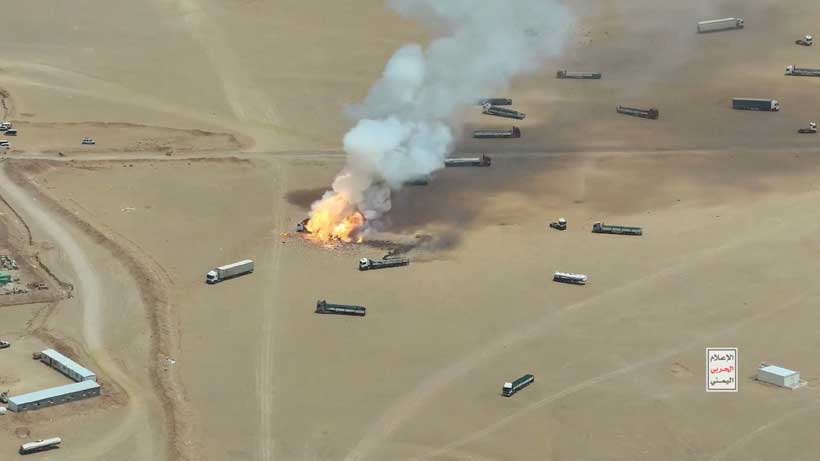
Saudi Arabia is increasingly seeking alliances with regional partners as the Houthis, an Iran-backed group in Yemen, ramp up their hostilities. This shift reflects the kingdom’s efforts to strengthen its defense strategies in a volatile geopolitical landscape, raising concerns about the potential for broader conflict in the Gulf and Red Sea regions.
Growing Threat from the Houthis
The Houthi movement has escalated its operations, launching frequent attacks that threaten Saudi Arabian security. This surge in aggression has prompted Riyadh to reassess its military and defense collaborations. The looming threat emphasizes the necessity for Saudi Arabia to establish stronger alliances in the region, particularly with allies like Pakistan and Turkey, who may provide crucial military support and resources.
Strategic Alliances: Pakistan and Turkey
Saudi Arabia is actively cultivating relationships with Pakistan and Turkey to bolster its defense capabilities. Both countries have significant military infrastructures and shared interests in countering Iran’s influence in the region. Islamabad has long been a key ally for Riyadh, often participating in military exercises and providing training for Saudi forces. Meanwhile, Turkey’s strategic location and military expertise present another layer of potential support, allowing Saudi Arabia to enhance its operational effectiveness against the Houthis.
These alliances are not merely defensive; they signify a proactive approach to regional security. The collaboration with these nations reflects Riyadh’s commitment to forming a coalition that can respond quickly and effectively to emerging threats. Additionally, this move could deter the Houthi forces, signaling that the kingdom is not isolated but part of a broader defense network.
Implications for Regional Stability
The increasing ties between Saudi Arabia, Pakistan, and Turkey bring significant implications for stability in the Gulf and Red Sea regions. A stronger Saudi defense posture could potentially serve as a counterbalance to Iranian influence, shifting the power dynamics in this critical area. However, the situation remains delicate, as any miscalculation may lead to escalated tensions between different factions and nations.
Furthermore, the expansion of Saudi defense partnerships might encourage other nations in the region to rethink their security strategies. This could either promote a more cooperative approach to regional security or ignite an arms race, further complicating an already precarious situation.
In conclusion, Saudi Arabia’s pivot towards deeper collaboration with Pakistan and Turkey underscores its need to respond effectively to the heightened threats from the Houthis. As these alliances develop, their impact on regional stability will be closely watched, with the potential to reshape the geopolitical landscape of the Gulf and Red Sea. By reinforcing its defense capabilities and fostering regional partnerships, Saudi Arabia seeks to create a more secure environment amidst ongoing challenges.