
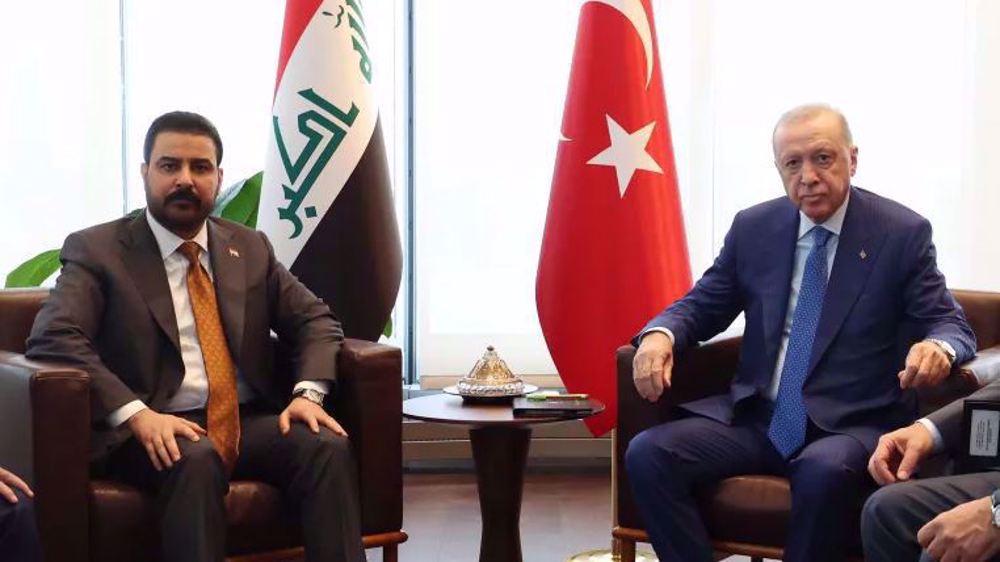
Turkey is moving forward with plans to gradually withdraw its military personnel from a key base located near Mosul, Iraq, with intentions to transfer control to the Iraqi government. This significant announcement was made jointly by Turkish President Recep Tayyip Erdogan and Iraqi Prime Minister Ali al-Zaidi after their discussions at the United Nations General Assembly in New York.
Details of the Withdrawal Agreement
The joint statement highlighted that, due to the security advancements made by Iraq, Turkish forces will methodically hand over the Bashiqa-Zelikan camp to the federal authorities in Baghdad. This transition will occur according to an established framework and timeline. In exchange for this military withdrawal, the Iraqi government has committed to disarming an Izadi self-defense group connected to the Kurdistan Workers’ Party (PKK), which Turkey classifies as a terrorist organization. This disarmament initiative focuses on the Sinjar region in northwestern Iraq, where the group’s presence has been a point of contention.
Both nations have agreed to fully reinforce the authority of the Iraqi state in the Sinjar area, aiming to eliminate foreign armed factions that are deemed illegal. The Sinjar Resistance Units (YBS), which were set up by the PKK to help the Izadi community defend themselves following brutal attacks by the Daesh terrorist group in August 2014, are particularly affected by this agreement. During that tragic period, Daesh massacred thousands of Izadi men and boys, while abducting women and girls for sexual slavery. Previous support from Turkey and the Kurdistan Regional Government at that time has led to suspicions regarding their intentions towards the Izadi population.
Implications for Sinjar and the Izadi Community
The decision by Baghdad to incorporate eligible Izadi militants from the YBS into the Iraqi Armed Forces is a strategic move aimed at stabilizing the region. This inclusion could help bolster the Iraqi military while providing the Izadi community with a degree of security and representation within the national framework. The historical context behind the YBS’s formation highlights the deep-seated issues in the region, where conflicting interests have often jeopardized the safety of marginalized groups, particularly the Izadis.
Despite the forthcoming withdrawal from Bashiqa, Turkey is expected to sustain its military presence at other bases in northern Iraq. This is primarily to conduct operations against the PKK, which maintains bases in the Qandil mountains of northeast Iraq. While peace negotiations continue with the PKK, Turkey’s military strategy underscores the complexity of its regional engagements and national security concerns.
Context of US Military Presence in Iraq
The withdrawal of Turkish troops from the Bashiqa base is happening concurrently with the planned exit of US forces from Iraq by September 30, marking the end of a prolonged American military presence that started with the 2003 invasion. The US involvement in Iraq resulted in widespread destruction, loss of life, and long-term instability. As both Turkey and the US adjust their military footprints in Iraq, the implications for regional security and political structures remain uncertain.
In summary, the phased withdrawal of Turkish troops from Bashiqa represents a significant geopolitical shift, framed by broader discussions about security and governance in Iraq. As Turkey hands over control of the strategic military base, the response of the Iraqi government and the implications for local communities, particularly the Izadis, will be critical to watch as the region continues to navigate the complexities of power dynamics and conflict resolution.