
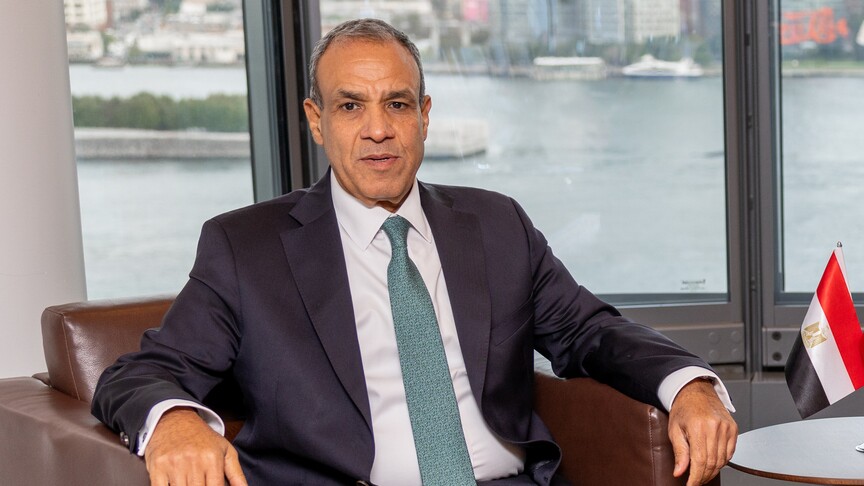
In recent discussions on global security, Egypt has underscored the critical need for renewed negotiations between the United States and Iran, particularly concerning the escalating tensions in the Strait of Hormuz and Bab el-Mandeb. Egyptian Foreign Minister Badr Abdelatty held meetings with his Iranian and Omani counterparts during the ongoing UN General Assembly, aiming to address these pressing issues.
Calls for Diplomatic Resolutions
During his talks with Iranian Foreign Minister Abbas Araghchi, Abdelatty emphasized the importance of diplomatic efforts to mitigate tensions and foster stability in the region. He highlighted the necessity for all nations to uphold their obligations to facilitate the safe passage of maritime traffic, noting that any escalation could have devastating effects on the global economy. “Negotiations are the only way to end the current crisis,” stated Abdelatty, underscoring that dialogue is vital for preserving regional interests.
The backdrop of these discussions is rooted in the Islamabad Memorandum of Understanding, which was signed on June 17. The agreement aimed to cease military operations that began in late February and to restore navigation through the strategically crucial Strait of Hormuz. However, the implementation of this accord faced challenges due to disagreements regarding its enforcement, resulting in renewed hostilities in July.
Engagement with Regional Allies
Further meetings took place between Abdelatty and Omani Foreign Minister Badr bin Hamad Al Busaidi. The discussions encompassed the current situation in the Red Sea and the Bab el-Mandeb Strait, along with broader regional developments. Abdelatty acknowledged Oman’s active role in mediating alongside Egypt and other nations to de-escalate the ongoing crisis, reinforcing the need for stability and security in Gulf countries and beyond.
During these talks, Abdelatty reiterated the urgency to halt escalating tensions that threaten the region’s security landscape. He called for a collaborative approach to ensure safe navigation in international waters, which is essential for sustaining global trade and economic stability.
Impact of Ongoing Conflicts
The geopolitical climate has also been influenced by Yemen’s Houthi group, which declared a maritime blockade against Saudi Arabia on July 20. This development was framed as a response to what the Houthis characterized as a blockade imposed by Saudi forces on areas under their control. Such actions have further complicated the already intricate relations in the region and posed additional challenges to diplomatic efforts.
As regional players continue to navigate this complex landscape, the emphasis on dialogue and negotiation remains paramount. Egypt is taking a proactive stance, fostering discussions aimed at finding peaceful solutions to the crises affecting these crucial maritime routes. The international community is watching closely, as the outcomes of these negotiations will not only shape the political dynamics of the Gulf but also have implications for global trade and security.