
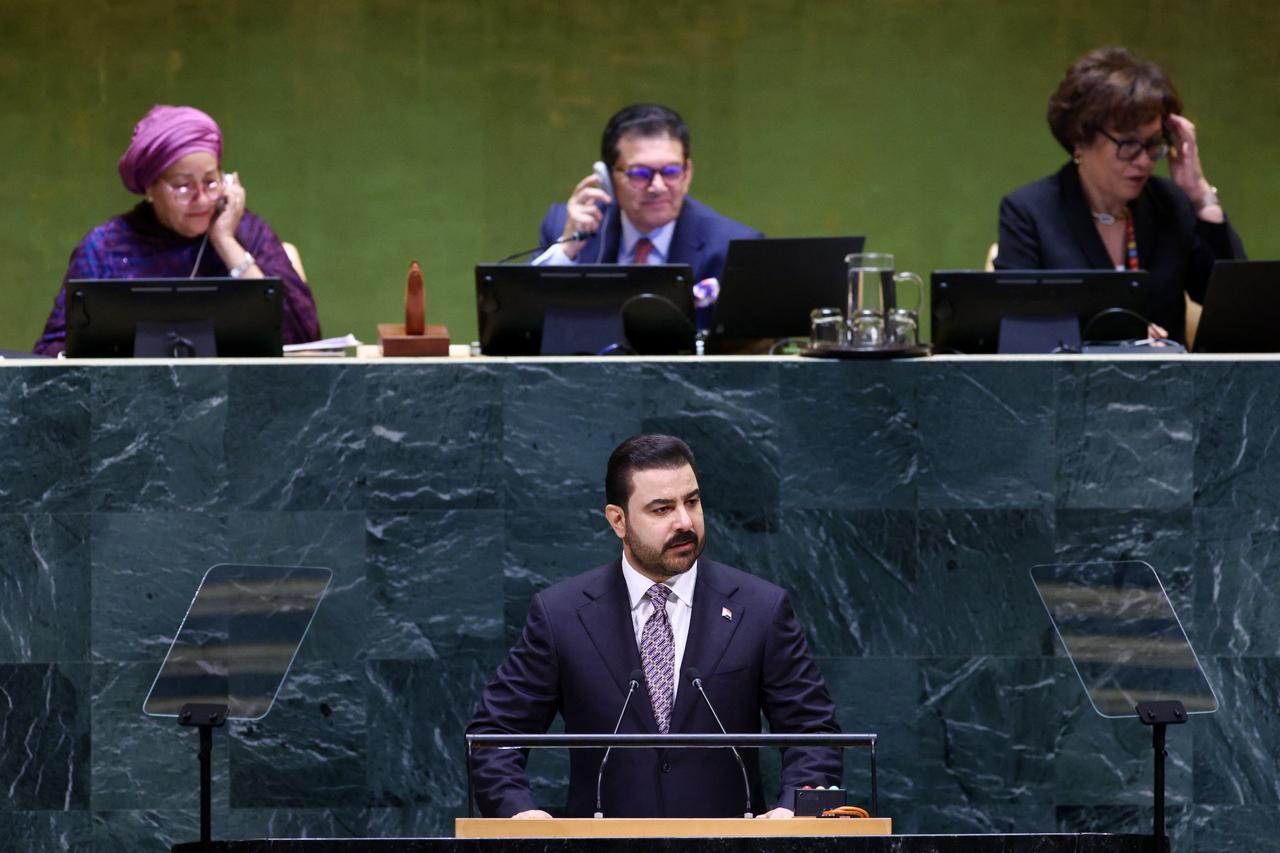
Iraq is gearing up to enhance its role in the global energy landscape under the leadership of Prime Minister Ali al-Zaidi. Speaking at the 81st United Nations General Assembly in New York, al-Zaidi revealed plans to establish new energy corridors through Türkiye, Jordan, and Syria. This initiative aims to bolster Iraq’s energy exports while simultaneously promoting regional security.
Creating New Energy Corridors
Iraq is determined to diversify its oil export options by developing energy infrastructure that connects the country with Türkiye, Jordan, and Syria. “Our plan is to strengthen our oil export capabilities and create energy corridors that will facilitate access to global markets,” al-Zaidi stated. He emphasized that these initiatives are designed not only to enhance energy security but also to lessen the risks associated with transport disruptions. By ensuring alternative supply routes, Iraq hopes to stabilize its position in the global energy sector.
This approach focuses on economic diversification through genuine partnerships with neighboring countries. Al-Zaidi posited that collaborative economic interests could significantly bolster regional prosperity. Furthermore, he highlighted the significance of the Development Road project, which encompasses broader objectives beyond energy, aiming to enhance regional trade, investment, and industrial collaboration. This ambitious project seeks to connect the Grand Faw Port in southern Iraq directly to Türkiye and subsequently to Europe.
Regional Stability Through Economic Partnerships
In his address, al-Zaidi underscored the importance of a strategic shift from military cooperation to economic collaboration with international partners. He articulated that the conclusion of the international coalition’s mission in Iraq marks a pivotal moment, where the focus would pivot toward fostering economic and developmental ties. According to al-Zaidi, moving forward, Iraq aims to build relationships based on shared interests that benefit all involved parties.
As part of the post-conflict strategy, al-Zaidi asserted that while economic cooperation becomes a priority, Iraq will maintain control over its security decisions. He stressed that military authority should remain within the bounds of constitutional institutions, ensuring that the state retains the ultimate control over matters of war and peace.
As Iraq embarks on this multifaceted strategy to enhance energy production and regional partnerships, the potential for increased stability and prosperity looks promising. By addressing vulnerabilities in energy transport and promoting collaborative growth, Iraq sets its sights on becoming a vital contributor to both regional and global energy markets. This commitment not only strengthens Iraq’s economic standing but also aligns with its long-term vision for security and cooperation across borders.