
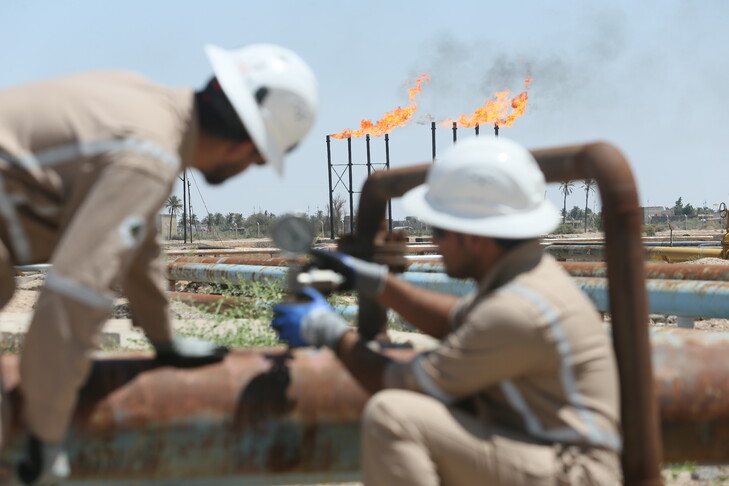
Iraqi Prime Minister Ali al-Zaidi recently articulated his vision for transforming Iraq into a global energy production hub during the 81st session of the United Nations General Assembly in New York. His remarks highlighted the strategic role that Iraq can play in enhancing both regional and international security through its vast energy resources. This initiative aims not only to stabilize Iraq’s economy but also to contribute positively to global energy dynamics.
Leveraging Energy Potential for Stability
Al-Zaidi emphasized Iraq’s ambition to utilize its substantial energy capacity to foster sustainable security across various levels. However, he also noted the challenges posed by disruptions in transportation and maritime navigation, which have an adverse effect on global energy prices. To mitigate these challenges, the Iraqi government is actively seeking to diversify its oil export channels while establishing energy routes that connect Iraq to neighboring countries such as Türkiye, Jordan, and Syria. This strategy is designed to secure the nation’s energy supplies and provide more access to international markets.
Economic Diversification as a Strategic Objective
Economic diversification is central to the Iraqi government’s policy agenda. Al-Zaidi pointed out that establishing authentic partnerships is crucial for achieving this diversification. In his address, he highlighted the significance of the Development Road project, which aims to serve as a comprehensive framework for regional stability and integration. This initiative plans to connect the Grand Faw Port in southern Iraq to Türkiye and eventually Europe, creating a vital corridor for trade, investment, and energy exchange. Al-Zaidi expressed his desire for this project to be inclusive, inviting participation from neighboring and allied nations, asserting that shared economic interests can foster a sense of prosperity.
Transitioning Partnerships Towards Development
With the conclusion of the international coalition’s mission in Iraq, al-Zaidi articulated a shift in the country’s strategic partnerships. He indicated that Iraq’s relationships with its allies are transforming from a purely military focus to one centered on economic and developmental cooperation. This change signifies a commitment to mutual interests and a collaborative approach to addressing common challenges in the region.
Commitment to National Sovereignty and Security
On the topic of domestic security, the Prime Minister reiterated Iraq’s commitment to maintaining authority over war and peace decisions. He stressed that the state’s power must remain within constitutional institutions, ensuring that weapons and forces are controlled only by legitimate authorities. This commitment underscores Iraq’s intention to establish a stable and secure environment essential for attracting foreign investments and fostering regional collaboration.
In summary, Iraq’s strategic vision under Prime Minister Ali al-Zaidi centers on leveraging its energy resources for greater stability and security. The initiatives discussed reflect a profound understanding of the interconnectedness of economic interests and regional peace, positioning Iraq to play a pivotal role on the global stage. As the country embraces this transformative journey, the emphasis on sustainable partnerships and security will be crucial in navigating the complexities of both domestic and international landscapes.