
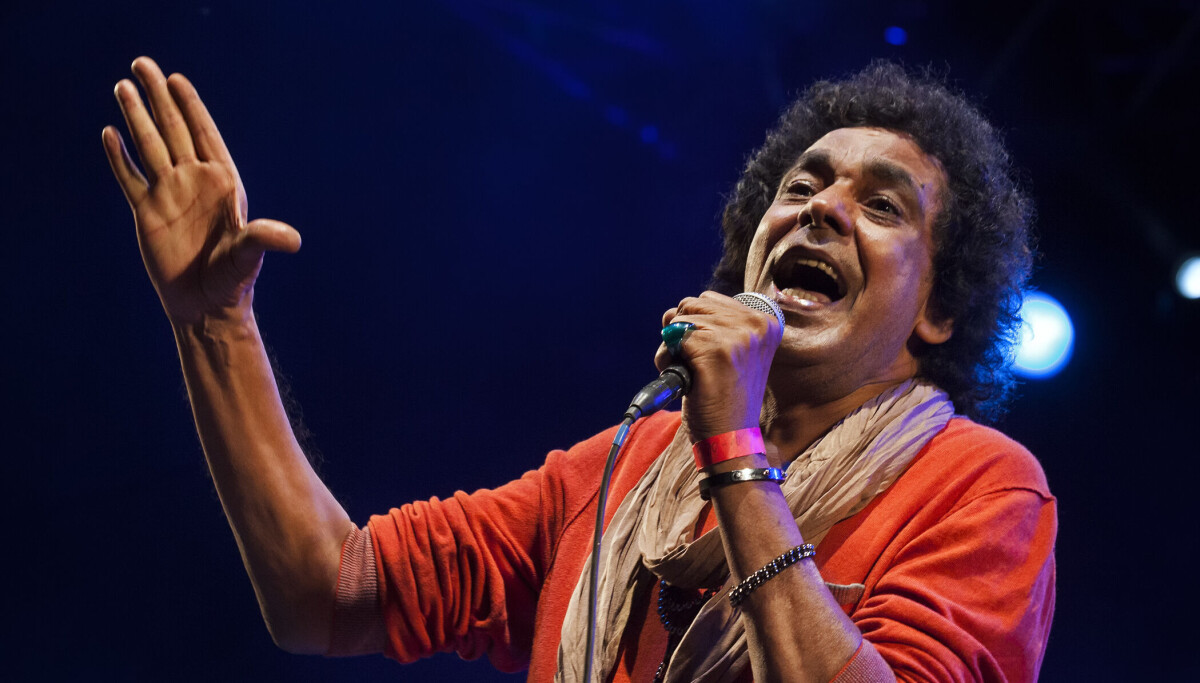
In the vibrant landscape of Cairo’s music scene during the 1970s, a remarkable figure emerged, captivating the hearts of many. Mohamed Mounir, a photography student with a passion for song, found himself at the center of social gatherings, eagerly invited to perform. His distinct style set him apart from traditional artists; he favored casual attire over the formal clothing typical of classical singers. His appearance—darker skin and curly hair—added a layer of intrigue, allowing him to resonate with everyday Egyptians while also embodying a unique identity.
A Voice for the People
Mounir’s musical journey began with his debut album, Alemony Eneeky, released in 1977. This album marked a turning point in Egyptian music, as Mounir interwove experience and depth into his lyrics, using both Arabic and Nobiin dialects. His innovative sound blended Nubian folk music with jazz, blues, reggae, and classical Egyptian tones, creating a refreshing experience while honoring his roots. Mounir emerged as a vocal representative for Nubians, a community that had long been marginalized in mainstream narratives. His endearing charm and soul-stirring music earned him the nickname “El Malik,” or “The King,” affirming his status in the hearts of many.
The Personal Story Behind the Music
Born in Aswan and raised in Manshyat Al Nuba, Mounir faced adversity early in life when his community was displaced due to the construction of the Aswan High Dam. This upheaval affected approximately 120,000 individuals, pushing Mounir and his family to Cairo, where he pursued photography while remaining connected to his musical roots. Notably, his early performances at social gatherings revealed a talent that would soon be recognized on a larger stage. “I remember the excitement of watching him sing on TV for the first time,” recalled his nephew, encapsulating the pride surrounding Mounir’s ascent into fame.
As his career progressed, Mounir was fortunate to collaborate with influential musicians like Ahmed Mounib and Yehia Khalil. Their mentorship played a pivotal role in shaping his artistry while giving him a platform to blend diverse musical influences. Mounir’s rich melodies resonated not only with Nubians but also with the wider Egyptian public, who were introduced to a pioneering musical genre.
Despite the acclaim following his third album, Shababeek, which became one of Egypt’s most celebrated musical projects, Mounir faced challenges due to societal biases. The media often misrepresented Nubians, and Mounir’s darker complexion initially made it difficult for him to gain recognition. Yet, his passion and persistence pushed him through these barriers, paving the way for a new kind of musical icon in the Arab world.
A Legacy of Connection and Humility
Today, Mounir’s music continues to resonate with multiple generations, serving as a soundtrack to the lives of many Egyptians. His songs evoke memories and emotions that span decades, making him a cultural touchstone for both young and old. “He connects us all,” remarked Nubian actor Mariam Hatem Amin, emphasizing his genuine and relatable performance quality. Fans from various backgrounds frequently gather at his concerts, creating a vibrant atmosphere that celebrates shared experiences.
His enduring appeal is not merely due to nostalgia; Mounir remains active in creating new music that reflects contemporary sentiments while rooted in Nubian heritage. However, some fans yearn for the lyrical depth and intricate arrangements of his earlier work, which many consider irreplaceable. “His older tracks sound like home,” noted music director Dina Ali, who cherishes the memories tied to Mounir’s timeless music.
Mounir’s humility is as legendary as his talent. Despite his fame, he prioritizes community and music over profit. He continues to engage with fans and fellow artists, striving to inspire the next generation while expanding the visibility of Nubian culture. As he works diligently on projects that support African musicians, Mounir stands as a testament to how music can transcend barriers and foster unity.