
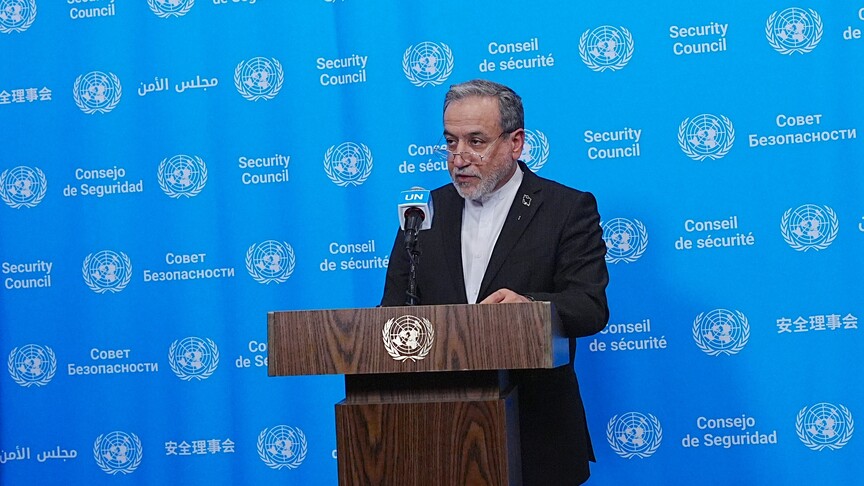
In a recent statement, Iranian Foreign Minister Abbas Araghchi emphasized that Iran is ready to reopen the strategically vital Strait of Hormuz within a week, contingent upon the United States’ acceptance of a proposal relayed through Qatar. This declaration was made during a press conference in New York, coinciding with the 81st United Nations General Assembly.
Timeline for Reopening
Araghchi outlined that the proposed seven-day timeline would initiate upon the U.S. agreeing to the outlined plan. He mentioned that in the first four or five days, action would be required from Washington, leading to a potential reopening of the strait by the sixth day. Following this, negotiations between Tehran and Washington regarding a final agreement would kick off on the seventh day. This structure underscores the urgency and framework Iran envisions for resolving ongoing tensions.
Previous Agreements and Conditions
According to Araghchi, the prerequisites that Iran is seeking from the U.S. were articulated in a memorandum of understanding ratified during talks in Islamabad back in June. He expressed that if the U.S. is serious about reaching a consensus and enabling the reopening of the Strait of Hormuz, all necessary preparations are already in place. This statement highlights Iran’s commitment to ensuring safe navigation through the strait, despite ongoing friction with U.S. military activities in the region.
Diplomatic Stance and Concerns
The Foreign Minister did not shy away from criticizing U.S. military actions, suggesting that these maneuvers have hindered the implementation of previous agreements. Araghchi reinforced Iran’s openness to diplomatic solutions but added that they require solid guarantees against potential renewed aggression from the United States before engaging in further discussions. This reflects Iran’s cautious approach, as it seeks to safeguard its national interests while navigating complex geopolitical dynamics.
Ultimately, Iran’s willingness to negotiate hinges on a mutual commitment to stability in the Strait of Hormuz, a crucial maritime passage for oil transport. The outcome of these potential negotiations could have far-reaching implications, affecting not only regional security but also global energy markets and diplomatic relations.